
Introduction
PCOD and PCOS are two common gynecological conditions that affect women’s hormonal balance. Many women see these terms in their ultrasound reports, which often raises the question: Are PCOD and PCOS the same, or is there a difference?
Knowing the subtle but important differences between them can help women manage their health more effectively.
Both PCOD and PCOS affect the ovaries, the reproductive organs responsible for producing hormones like estrogen and progesterone, which regulate the menstrual cycle. The ovaries also produce small amounts of other hormones such as inhibin, relaxin, and androgens (male hormones).
Around 10% of women worldwide are affected by PCOD. In PCOS, the ovaries produce higher-than-normal levels of male hormones, which can disrupt menstrual cycles and make conception more difficult.
This hormonal imbalance can also lead to other health issues, including:
- Diabetes
- Infertility
- Acne
- Excessive hair growth
Although PCOD and PCOS are fairly common, there is currently no exact cure for either condition.
What is PCOD Problem?
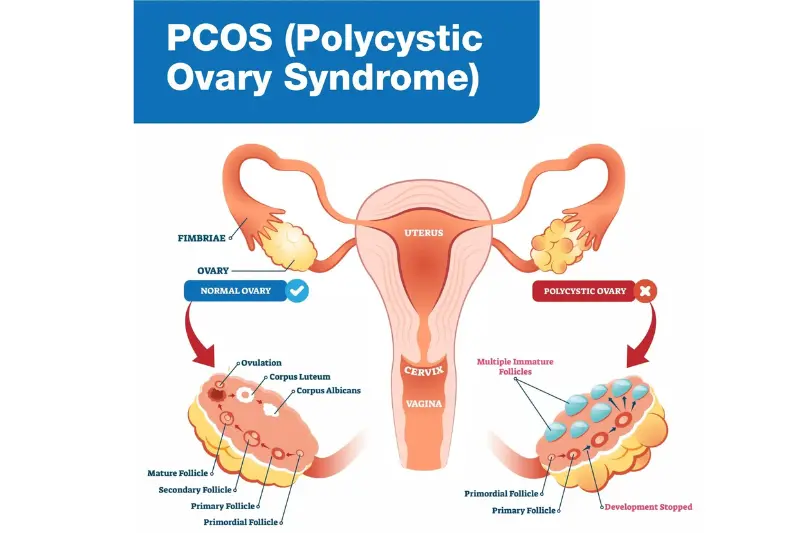
PCOD full form in medical terms: Polycystic Ovarian Disease
PCOD (Polycystic Ovarian Disease) is a condition in which a woman’s ovaries produce immature or partially developed eggs in large numbers. Over time, these eggs can form cysts in the ovaries. As a result, the ovaries enlarge and release higher amounts of male hormones (androgens), leading to symptoms like irregular periods, infertility, hair loss, and abnormal weight gain.
The good news is that PCOD can often be managed effectively through healthy diet choices and lifestyle changes.
What is PCOS?
PCOS full form in medical terms: Polycystic Ovary Syndrome
PCOS (Polycystic Ovary Syndrome) is a metabolic disorder that causes hormonal imbalance in women, usually during their reproductive years (ages 12 to 51). Higher levels of male hormones can lead to skipped or irregular periods, irregular ovulation, and difficulty in getting pregnant. Other symptoms may include excessive hair growth on the face and body. Over time, PCOS can also increase the risk of long-term health issues like diabetes and heart disease.
PCOS is a serious medical condition that requires proper medical attention, and in some cases, surgical treatment.
Many women may have PCOD or PCOS without realizing it. The main symptoms affecting ovulation and the ovaries include:
- Ovarian cysts
- Increased levels of male hormones
- Skipped or irregular periods
PCOS prevalence in India
Only a few researchers took a part and studied the prevalence of Polycystic ovary syndrome (PCOS) in different regions of India. From the very limited data, PCOS prevalence in India ranges from 3.7% to 22.5%. Due to very limited data and different regions, it is very difficult to define prevalence of PCOS in India.
Around 5% to 18% of women worldwide are affected by polycystic ovary syndrome (PCOS), and as many as 70% of them remain undiagnosed. Understanding that a woman has PCOS or PCOD is crucial to manage the condition effectively and to avoid fertility issues down the line.
Common Signs and Symptoms of PCOD / PCOS
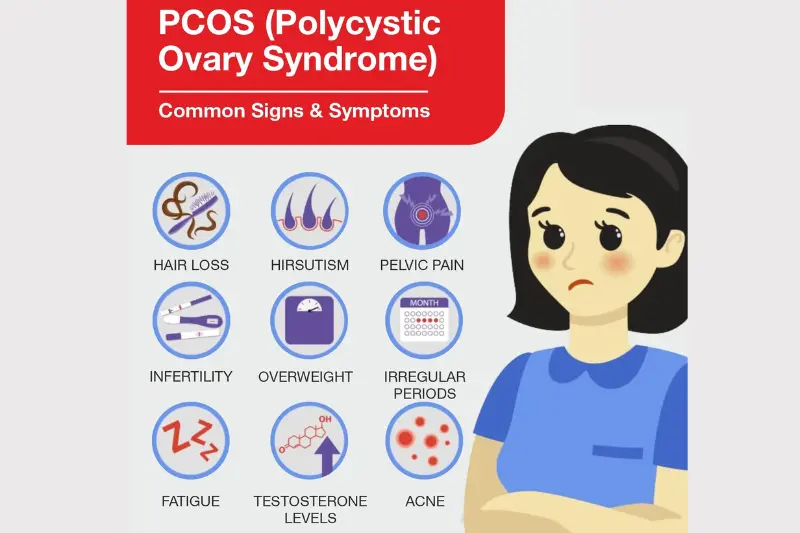
Women may notice symptoms of PCOD or PCOS at different stages—some around their first period, while others may only realize it after weight gain or difficulty conceiving. The most common signs and symptoms include:
- Irregular periods (Oligomenorrhea)
- Skipped or absent periods (Amenorrhea)
- Heavy menstrual bleeding (Menorrhagia)
- Excessive hair growth on the face, chest, back, belly, and other body areas
- Acne on the face, chest, and upper back
- Weight gain
- Hair thinning or hair loss on the scalp
- Darkened skin patches on the neck, under the breasts, and in the groin area
Causes of PCOS (Polycystic Ovary Syndrome)
The exact cause of PCOS is not fully understood, but several factors are known to play a role:
- Excess insulin production: High insulin levels can increase androgen (male hormone) production in women, which can interfere with ovulation.
- Excess androgen production: The ovaries may produce abnormally high levels of androgens, leading to symptoms like acne and excessive hair growth on the face and body (hirsutism).
- Low-grade inflammation: Studies suggest that women with PCOS often have low-grade inflammation, which can raise androgen levels and increase the risk of heart and blood vessel problems.
- Heredity (Genetics): PCOS can run in families, indicating a genetic link in some cases.
Complications of PCOS / PCOD
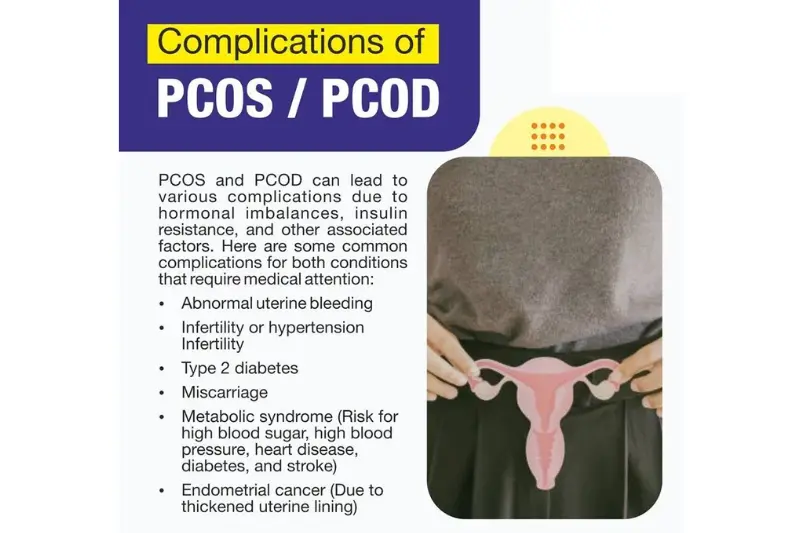
Women often wonder how PCOD or PCOS affects their overall health. Higher-than-normal levels of androgens (male hormones) can lead to several complications that may require medical attention. These include:
- Abnormal uterine bleeding
- Infertility or difficulty conceiving
- Type 2 diabetes
- Preterm labor and premature birth
- Metabolic syndrome, which increases the risk of high blood sugar, high blood pressure, heart disease, diabetes, and stroke
- NASH (Non-alcoholic steatohepatitis), a type of liver disease
- Depression and anxiety, often due to symptoms like unwanted hair growth and weight changes
- Sleep apnea, especially in overweight women, causing interrupted breathing during sleep
- Endometrial cancer, due to a thickened uterine lining
- Miscarriage, or spontaneous pregnancy loss
PCOS / PCOD problem in future
Women diagnosed with PCOD or PCOS should regularly monitor their health to prevent future complications. If left untreated, PCOD can increase the risk of type 2 diabetes, obesity, and mental health issues due to hormonal imbalance. On the other hand, PCOS can lead to more serious complications, including high blood pressure, high blood sugar (hyperglycemia), endometrial cancer, and pregnancy-related problems such as premature birth, preeclampsia, or miscarriage.
Difference Between PCOS and PCOD
Many women are often confused about whether PCOD and PCOS are the same. While both conditions involve the ovaries and hormonal imbalance during reproductive years (ages 12–51) and share similar symptoms, there are important differences:
| PCOD (Polycystic Ovarian Disease) | PCOS (Polycystic Ovary Syndrome) |
|---|---|
| A common disorder, affecting about 10% of women worldwide. | A more serious medical condition, affecting around 0.2% to 2.5% of women worldwide. |
| Ovaries produce many immature or partially developed eggs, often due to poor lifestyle, obesity, stress, or hormonal imbalance. | A metabolic disorder and a more severe form of PCOD, which can lead to anovulation (ovaries stop releasing eggs). |
| Fertility is usually not seriously affected; women can still ovulate and get pregnant with minimal medical support. | Fertility is significantly affected; irregular ovulation makes it harder to conceive. Pregnancy carries higher risks such as miscarriage, premature birth, or complications. |
| Generally does not cause serious long-term complications. | Can lead to serious health issues later in life, including type 2 diabetes, heart disease, high blood pressure, and endometrial cancer. |
For both PCOD and PCOS, lifestyle changes such as weight management, a healthy diet, avoiding junk and processed foods, and regular exercise have shown effective results. Early diagnosis is crucial for proper treatment. Women experiencing skipped or irregular periods, acne, or excessive hair growth on the face or body should consult a gynecologist promptly.
PCOS and PCOD difference Watch Video
Diagnosis of PCOD (Polycystic Ovarian Disease) / PCOS (Polycystic Ovary Syndrome)
PCOD and PCOS can affect multiple body systems, and their diagnosis involves a combination of physical examinations, blood tests, and imaging. Women may visit a gynecologist if they experience symptoms such as irregular periods, unwanted hair growth on the face, chest, or back, acne, or thinning scalp hair. The doctor will also review your medical history, diet, lifestyle, and any medications or supplements you may be taking.
To confirm a diagnosis, a gynecologist may recommend the following:
- Pelvic Examination: A physical check of the reproductive organs to detect any abnormalities, growths, or cysts.
- Blood Tests: These help evaluate hormone levels and may include fasting lipid profile (cholesterol, HDL, LDL, triglycerides) and glucose tolerance tests.
- Imaging Tests: Ultrasound imaging is used to check the size of the ovaries, the uterine lining, and the presence of cysts.
Additionally, your gynecologist may suggest extra tests to monitor for possible complications:
- Regular monitoring of blood pressure, blood sugar, and cholesterol levels
- Screening for anxiety and depression
- Screening for obstructive sleep apnea (OSA)
Lifestyle Modifications and Home Remedies for PCOD / PCOS
PCOD and PCOS primarily affect hormonal balance in women. Making certain lifestyle changes can help lower androgen levels and improve overall health:
- Maintain a Healthy Body Weight:
A healthy BMI (Body Mass Index) is between 18.5 and 24.9, while a BMI above 30 is considered obese. Achieving and maintaining a healthy weight can improve cholesterol levels, reduce the risk of high blood pressure, heart disease, and diabetes, and regulate insulin and androgen levels, which can help restore ovulation. Consult a dietitian for a personalized weight-loss plan to reach a healthy BMI. - Limit Carbohydrate Intake:
Following a low-carb or complex carbohydrate diet can help manage insulin levels. Include foods like fish, meat, eggs, vegetables that grow above ground, and healthy fats (e.g., sunflower seeds, pumpkin seeds, sesame seeds, and butter). Avoid sugary and starchy foods such as potatoes, bread, rice, pasta, and beans. - Exercise Regularly and Stay Active:
Regular physical activity helps regulate blood sugar levels and maintain a healthy weight. Aim for a mix of cardio, strength training, and flexibility exercises to support overall health and hormonal balance.
Watch this Video on PCOD & PCOS
Frequently Asked Questions (FAQs) on PCOS and PCOD
It is important to note that stress is just one of many potential factors. Genetics, diet, and lifestyle can also play a role. Many women with PCOD or PCOS experience stress due to their symptoms. Managing stress and taking care of mental health is essential for those diagnosed with PCOD or PCOS.
- Maintain a healthy weight: Losing weight through diet and exercise improves fertility.
- Take fertility medications: Your doctor may prescribe medicines to help you ovulate.
- Consider IVF: In vitro fertilization may be recommended if other treatments fail.
- Manage other health conditions: Controlling diabetes, thyroid problems, and blood pressure can improve pregnancy chances.
The exact reason for the link between PCOS and hypothyroidism is unknown, but hormonal imbalances in PCOS are thought to contribute. Regular thyroid function tests are recommended, as untreated hypothyroidism can affect fertility and pregnancy outcomes.
- Irregular menstrual cycles
- Heavy menstrual bleeding
- Hair loss
- Fertility problems
- Weight gain
- Excess hair growth on face, chest, belly, or back
- Hormonal imbalance
- Genetics
- Insulin resistance
- Inflammation
- Lifestyle factors
What is the best possible treatment for PCOD Problem / PCOS (Polycystic Ovary Syndrome)?
PCOD / PCOS treatment focuses on managing your individual problems, such as irregular periods, obesity, infertility, acne, or hirsutism. Treatment usually starts with lifestyle changes like weight loss, diet, and exercise. Losing just 5 to 10 percent of your body weight can help regulate your menstrual cycle.
Treatment will depend on the symptoms like hair growth, acne and metabolic disorders. This includes:
- Regulate the menstrual cycle by medication to treat hormonal imbalance and insulin resistance
- Ovulation induction (the quality and quantity of the ovulation) through oral medicines and injections
- Infertility treatment through fertility drugs
- Lowering excessive hair growth
- Skin treatments for acne and pigmentation
- A laparoscopic procedure – ovarian drilling to destroy androgen-producing tissue in the ovaries, in case of PCOS patients not responded to hormonal treatment
- Any diet that helps you lose weight can help your condition. However, some diets may have advantages over others. Weight loss can also improve cholesterol levels, lower insulin, and reduce heart disease and diabetes risks.
- 20 minutes of moderate-intensity exercise at least five days a week can help women to lose weight. Losing weight with exercise also improves ovulation and insulin levels.
- The best treatment for PCOD (Polycystic Ovarian Disease) and PCOS (Polycystic Ovary Syndrome) will consist of on-time diagnosis and the appropriate treatment modalities can help to overcome the symptoms. Maintaining healthy lifestyle is equally important to treat hormonal imbalance and conditions related.
Kindly consult if skipped periods, or you have other PCOD / PCOS symptoms like hair growth on your face or body / if you’ve been trying to get pregnant for 12 months or more without success.
Can PCOD Be Cured Permanently?
PCOD (Polycystic Ovarian Disease) is generally not considered a serious health condition, but there is no complete cure.
However, symptoms can be effectively managed by:
- Maintaining a healthy weight
- Following a complex carbohydrate-rich diet
- Exercising regularly and staying active
- Periodic consultations with a gynaecologist and primary care physician
Can Women with PCOD Get Pregnant?
Yes. Women with PCOD can conceive and complete a pregnancy, but it requires proper planning and regular follow-ups with a gynaecologist to prevent complications.
Does PCOD/PCOS Cause Weight Gain?
Yes. Women with PCOD or PCOS often gain weight due to:
- Metabolic changes
- Hormonal imbalance
- Elevated levels of androgen (male hormones)
Weight gain typically follows a male-pattern distribution, with higher fat accumulation around the abdomen.
Can PCOS Be Cured Permanently?
PCOS (Polycystic Ovary Syndrome) is a more serious condition than PCOD and cannot be cured completely.
However, symptoms can be managed to improve quality of life.
Recommended Management:
- Regular health monitoring: Blood pressure, blood sugar (for type 2 diabetes), cholesterol, and other related risks
- Lifestyle changes and diet modifications to maintain insulin and cholesterol levels
Medications for:
- Irregular or skipped periods
- Fertility issues
- Acne and skin pigmentation
- Excess hair growth or hair loss
- High blood pressure or cholesterol
Laparoscopic ovarian drilling surgery (in selected cases) to reduce testosterone levels
Can PCOD Occur After Marriage?
Yes. PCOD can be triggered after marriage due to stress and lifestyle changes.
If periods become irregular, consult a gynaecologist to identify the cause.
Maintaining a healthy diet, exercising regularly, and managing weight can help prevent or control symptoms.
If you’re planning to conceive, seek medical advice early to avoid pregnancy-related complications.
Does Sexual Activity Cause PCOD?
No. PCOD can occur in any woman, regardless of sexual activity.
Common triggers include stress, poor lifestyle choices, and hormonal imbalance.
A controlled diet and weight management can help regulate menstrual cycles.
What to Expect During a Doctor’s Appointment
When visiting a gynaecologist (and possibly an endocrinologist or fertility specialist), you may be asked:
- What are your symptoms?
- How often and how severe are they?
- When did you first notice them?
- When was your last menstrual period?
- Have you experienced weight gain?
- Are you trying to get pregnant?
- Does PCOS run in your family (mother/sister)?
Providing detailed, accurate answers will help your doctor design the best treatment plan for your PCOD/PCOS.
You May Also Like It:
Tesamorelin: Benefits, Uses & Side Effects Guide
Prednisona: usos, efectos y cómo tomarla
Gabapentina 300 mg: qué es y para qué sirve
Phenol Peel – Deep Skin Treatment That Works
Testicular Calcium – Causes, Diagnosis and Care
