

Choosing the right health insurance can feel overwhelming—especially with so many options available. If you’re considering AIA health insurance, this guide breaks everything down in a clear, structured way so you can make a confident decision.
We’ll cover:
- What AIA health insurance offers
- Plans and coverage explained
- Pricing and key cost factors
- Pros and cons (honest review)
- Insights most competitors don’t mention
What is AIA Health Insurance?
AIA health insurance is provided by AIA Group, one of the largest insurance companies in the Asia-Pacific region with a long-standing global presence.
Unlike traditional insurers, AIA focuses on:
- Preventive healthcare
- Rewarding healthy habits
- Long-term wellbeing
In simple terms, AIA doesn’t just cover treatment—it encourages you to stay healthy.
Key Trust Signals & Statistics
Some important facts about AIA that highlight its reliability:
- AIA Group operates in 18+ markets across Asia-Pacific
- The company serves millions of policyholders worldwide
- AIA has maintained strong financial strength ratings from global rating agencies
- In several markets, insurers like AIA report high claim approval rates above 90%
These indicators suggest that AIA has the financial capacity to pay claims and maintain long-term insurance coverage.
Types of AIA Health Insurance Plans
AIA offers three main types of coverage:
Hospital Cover
This covers treatment when you’re admitted as a private patient in a hospital.
What’s included:
- Surgery and hospital stays
- Doctor and specialist fees
- Private hospital accommodation (depending on availability)
- Major treatments (e.g., heart procedures, joint replacements, pregnancy depending on plan)
Plan levels:
- Basic
- Bronze
- Silver
- Gold (most comprehensive)
Hospital Network Access
AIA typically has agreements with many private hospitals and healthcare providers, allowing members to receive treatment as private patients.
Benefits of a large hospital network include:
- Shorter waiting times for surgery
- Greater choice of hospitals and specialists
- Access to private rooms where available
- More flexibility in selecting doctors
However, coverage can vary depending on the specific policy level you choose.
Extras Cover
Extras cover includes everyday health services not typically covered by public healthcare.
Common inclusions:
- Dental treatments
- Optical (glasses, contact lenses)
- Physiotherapy
- Chiropractic services
Important: In many cases, AIA requires a combined policy to access extras benefits.
Combined Cover
This is the most popular option.
Includes:
- Hospital + extras
- Preventive services
- Access to rewards and wellness programs
Combined policies provide broader protection because they cover both hospital treatment and everyday healthcare expenses.
AIA Vitality Program (Key Advantage)
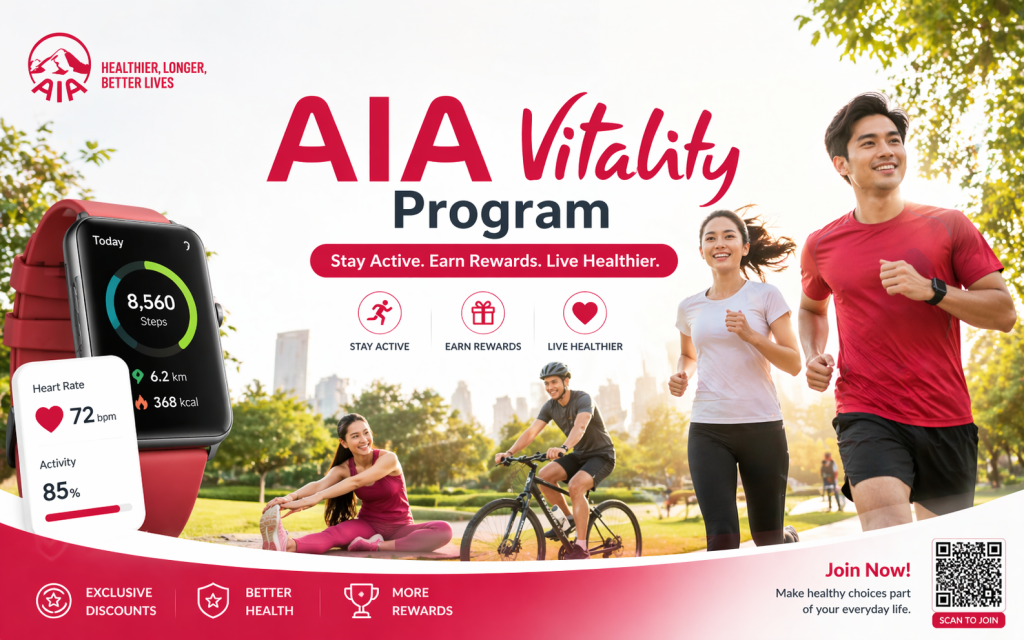
AIA Vitality is one of AIA’s strongest differentiators.
It’s a science-backed health and wellbeing program that rewards you for maintaining a healthy lifestyle.
You can earn rewards for:
- Exercise and physical activity
- Health check-ups
- Sleep tracking and healthy habits
Rewards may include:
- Gift cards and cashback
- Discounts on gym memberships
- Savings on flights and fitness devices
Note: There may be a small membership fee, and benefits depend on your level of engagement.
AIA Health Insurance Cost (Realistic Pricing)
Pricing varies based on personal factors, but general estimates are:
| Plan Level | Estimated Monthly Cost |
|---|---|
| Basic | $80–$100 |
| Bronze | $100–$140 |
| Silver+ | $160–$220 |
Factors affecting cost:
- Age
- Location
- Level of cover
- Excess amount
Tip: Choosing a higher excess can significantly reduce your premium.
What Competitors Don’t Tell You (Important Insights)
Extras Are Often Bundled
Many users expect standalone extras, but AIA frequently requires combined policies.
Rewards Require Active Participation
You only benefit from AIA Vitality if you consistently engage in healthy activities.
Policy Flexibility Can Be Complex
AIA offers many options, which is great—but it can feel overwhelming for beginners.
Waiting Periods Still Apply
Like most health insurance providers, AIA applies waiting periods before certain benefits can be claimed.
Typical waiting periods may include:
| Treatment Type | Typical Waiting Period |
|---|---|
| Basic services | 2 months |
| Major treatments | 12 months |
| Pregnancy-related services | 12 months |
| Pre-existing conditions | up to 12 months |
These waiting periods are standard across many insurers and help prevent people from purchasing insurance only when they immediately need treatment.
Key Features & Data Insights
- Backed by a financially strong global insurance group
- Strong reputation in customer service and claims handling
- Claims are often processed within a few working days
- Access to a broad hospital and provider network
- Flexible policy customization options
These features make AIA a competitive option in the private health insurance market.
Customer Experience & Claims
Claims Process
Most claims can be submitted online through the customer portal or mobile app.
Steps typically include:
- Log in to your account
- Upload invoices and supporting documents
- Submit your claim
Claims are commonly processed within 3–5 working days, depending on the complexity of the claim.
Claim Approval Rates
In many markets, major insurers such as AIA report high claim approval rates, often exceeding 90% of submitted claims. This indicates a relatively efficient claims process and strong financial backing.
Pros and Cons of AIA Health Insurance
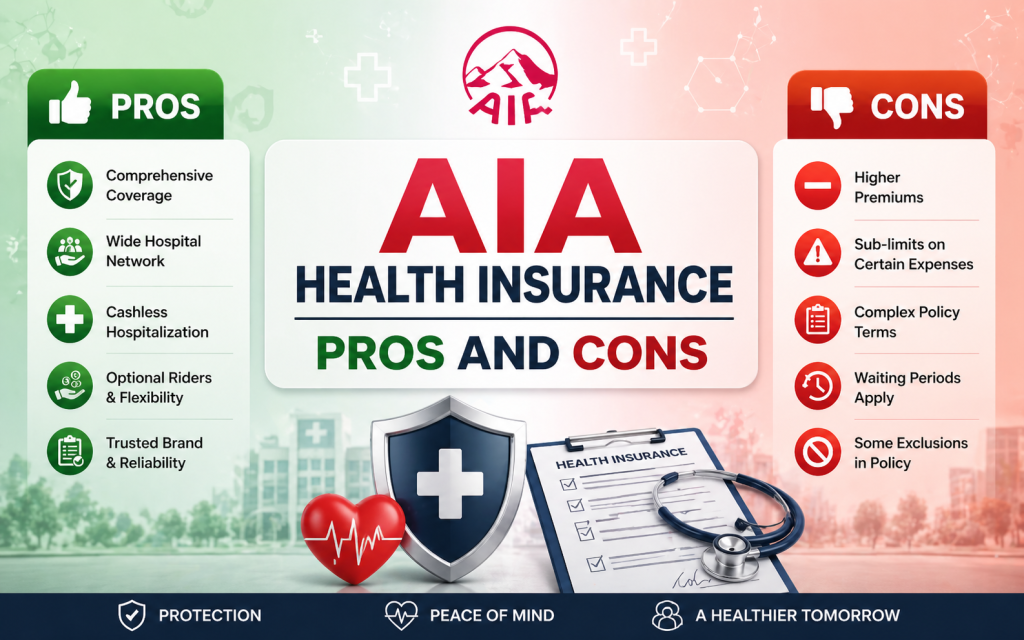
Pros
- Strong financial backing
- Unique AIA Vitality rewards program
- Wide range of coverage options
- Focus on preventive health care
- Flexible plans for different budgets
Cons
- Not the cheapest option
- Extras often require combined plans
- Policy structure can be complex
- Some benefits depend on user activity
AIA vs Other Health Insurance Providers
| Feature | AIA | Typical Competitors |
|---|---|---|
| Wellness Rewards | Strong | Limited |
| Preventive Health Focus | High | Moderate |
| Coverage Flexibility | High | Moderate |
| Pricing | Mid-range | Varies |
| Customization Options | Extensive | Limited |
Where AIA stands out:
- Strong rewards and wellness system
- Greater focus on preventive health
- Flexible customization
Where others may compete:
- Lower pricing
- Simpler policies
AIA is better suited for users who value long-term health benefits rather than only low premiums.
Who Should Choose AIA?
Best for:
- Health-conscious individuals
- Families planning long-term care
- People who want rewards and incentives
Not ideal for:
- Users looking for the cheapest plan
- Those who prefer very simple policies
FAQs
Does AIA cover pre-existing conditions?
Yes, but usually after a waiting period.
Is AIA expensive?
It’s mid-range in pricing but offers strong value through benefits and rewards.
What makes AIA different?
Its AIA Vitality program and preventive health focus.
Can I reduce my premium?
Yes—by increasing your excess or adjusting your coverage.
Final Verdict
AIA is more than just a traditional insurer—it’s a health-focused system designed to improve long-term wellbeing.
- Strong for preventive care
- Excellent for active individuals
- Balanced value for cost vs benefits
For people who want an insurance provider that rewards healthy living while still offering solid medical coverage, AIA can be a strong option.
