
Introduction
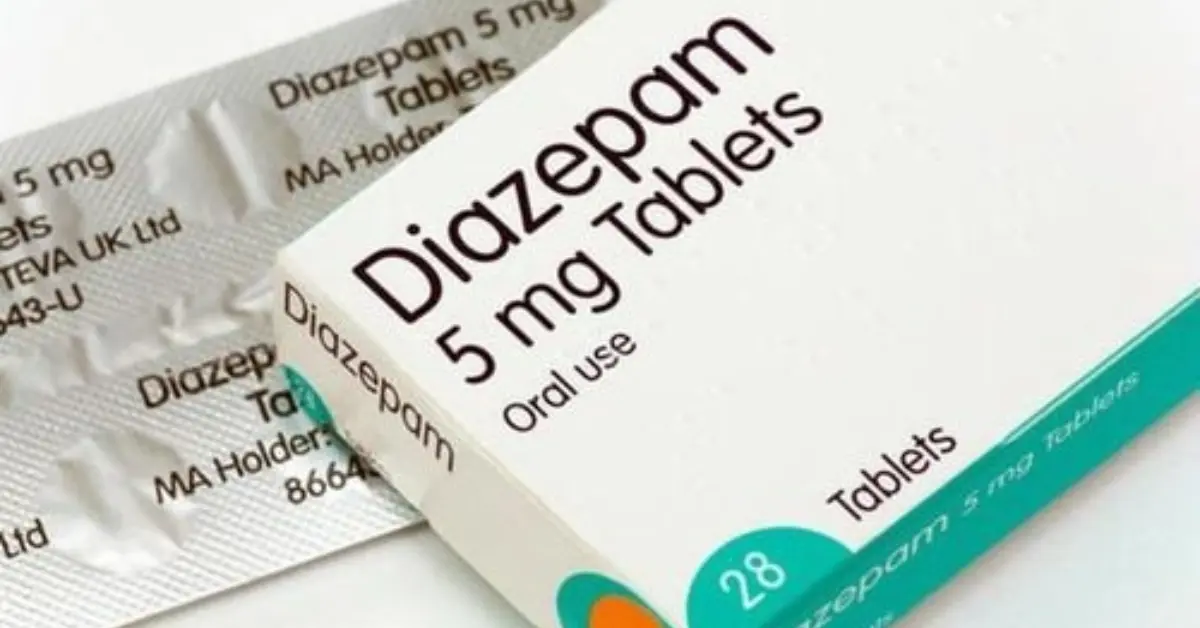
When it comes to managing anxiety, muscle spasms, or seizures, one of the most recognized and widely prescribed medications in the world is diazepam. Whether you’ve heard it called Valium, Stesolid, or another label, these are all part of the broad family of diazepam brand names available globally. But what exactly is diazepam? Why does it come under different brand names? And most importantly — what are the main diazepam uses, benefits, and precautions you should know before taking it? In this detailed, easy-to-follow guide, we’ll explore everything about diazepam brand names, their differences, how the drug works, and how to use it safely for the best results.
What Is Diazepam?
You May Also Like It:
Tesamorelin: Benefits, Uses & Side Effects Guide
Prednisona: usos, efectos y cómo tomarla

Diazepam is a medication that belongs to the benzodiazepine class — a group of drugs that act on the brain and nerves (central nervous system) to produce a calming effect.
It works by enhancing the effects of GABA (gamma-aminobutyric acid), a natural chemical in the brain that reduces abnormal nerve activity. This calming effect makes diazepam useful for several conditions related to overactivity in the nervous system.
Approved by the U.S. FDA in 1963, diazepam has since become a cornerstone medication in psychiatry and neurology. It’s available under various brand names, but regardless of the label, the active ingredient remains the same: diazepam.
Why Diazepam Has Multiple Brand Names
When a pharmaceutical company develops a new medication, it typically holds the patent and markets the drug under a unique brand name. Once the patent expires, other manufacturers can produce generic versions — often using different brand names but containing the same active ingredient.
For diazepam, the original brand name introduced by Roche was Valium, which became globally famous. Over the years, several other companies developed their own versions, creating a variety of diazepam brand names available today.
Most Common Diazepam Brand Names Around the World
While Valium remains the most popular and recognizable, there are numerous other brand names for diazepam, depending on the region and manufacturer.
Here’s a table listing some of the top diazepam brand names used internationally:
| Brand Name | Manufacturer | Region / Country | Form Available |
| Valium | Roche | Global | Tablets, injection, solution |
| Stesolid | Lundbeck | UK / Europe | Rectal tubes, injection |
| Calmpose | Ranbaxy | India | Tablets |
| Diazepam Intensol | Hikma | USA | Oral solution |
| Diazemuls | Roche | Europe | Injection (emulsion form) |
| Tensium | Sandoz | Global | Tablets |
| Valrelease | Roche | USA | Capsules |
| Relentil | Generic | Asia / Latin America | Tablets |
| Diazepam Accord | Accord Healthcare | Europe | Tablets, injection |
Each of these brand versions contains the same active ingredient — diazepam — meaning they deliver the same therapeutic benefits, even if the formulation or price differs slightly.
Understanding How Diazepam Works
Diazepam’s effectiveness comes from how it interacts with your brain chemistry. It binds to specific receptors in the brain and enhances the natural calming effects of GABA.
This process helps:
- Reduce anxiety and agitation
- Relax tense muscles
- Prevent or control seizures
- Induce calm before surgeries or procedures
Because diazepam affects the central nervous system, it produces relaxation, sedation, and relief from overactive neural responses — which is why it’s used in both mental and physical health treatments.
Top Diazepam Uses and Medical Benefits
The wide range of diazepam uses makes it one of the most versatile drugs in medicine. Let’s go through its most common and medically approved applications:
1. Anxiety Disorders
Diazepam is primarily prescribed for short-term relief of severe anxiety or panic attacks. It helps calm the mind, reduce racing thoughts, and relieve physical symptoms such as trembling and palpitations.
Doctors may use it for:
- Generalized Anxiety Disorder (GAD)
- Panic Disorder
- Acute stress reactions
2. Muscle Spasms and Pain Relief
Because diazepam relaxes muscles, it’s commonly used for muscle spasms resulting from injuries, inflammation, or neurological disorders such as multiple sclerosis or cerebral palsy.
It helps the body recover more comfortably by easing tension and stiffness.
3. Seizure Control
In emergency medicine, diazepam plays a vital role in managing status epilepticus — a life-threatening seizure condition.
It’s often administered intravenously or rectally (as Stesolid) for quick seizure control.
4. Alcohol Withdrawal Symptoms
During alcohol detoxification, patients often experience severe agitation, tremors, and anxiety.
Diazepam is prescribed to ease withdrawal symptoms and prevent seizures associated with alcohol withdrawal syndrome.
5. Sedation Before Medical or Dental Procedures
Because diazepam produces relaxation and mild sedation, it’s used preoperatively to help patients remain calm before procedures.
6. Insomnia (Short-Term Use)
Although not a first-line treatment, diazepam may sometimes be used for short-term relief of insomnia, especially if caused by anxiety.
Forms and Dosage Strengths of Diazepam
Depending on the diazepam brand name, it comes in several forms and strengths:
| Form | Available Strengths | Common Use |
| Tablets | 2 mg, 5 mg, 10 mg | Anxiety, muscle spasms |
| Oral Solution | 5 mg/5 ml | Flexible dosing, anxiety |
| Injection (IV/IM) | 5 mg/ml | Seizures, hospital use |
| Rectal Gel (Stesolid) | 2.5 mg–10 mg | Emergency seizure control |
| Capsules | 5 mg, 10 mg | Long-acting sedation |
Tip: Always follow your doctor’s dosage instructions — never increase or decrease your dose without consulting a professional.
Branded vs Generic Diazepam: What’s the Difference?
You might wonder if paying more for a branded version like Valium is worth it.
Here’s the truth: both branded and generic diazepam contain the same active ingredient, and both work equally well when produced by certified pharmaceutical companies.
| Feature | Branded Diazepam (e.g., Valium) | Generic Diazepam |
| Active Ingredient | Diazepam | Diazepam |
| Effectiveness | Same | Same |
| Cost | Higher | More affordable |
| Availability | Depends on brand | Widely available |
| Manufacturer Reputation | Established | Varies |
Verdict: Generic diazepam is just as effective — but ensure you buy from trusted pharmacies or licensed manufacturers to guarantee quality and safety.
Safety Guidelines: How to Use Diazepam Responsibly
You May Also Like It:
Gabapentina 300 mg: qué es y para qué sirve
Phenol Peel – Deep Skin Treatment That Works

Because diazepam acts directly on the brain and nerves, it’s essential to use it carefully and under medical supervision. Here’s what every user should know:
Do’s
- Take it exactly as prescribed by your doctor.
- Store in a cool, dry place away from children.
- Inform your doctor about any other medications you’re taking.
- Use for short-term relief only (unless advised otherwise).
Don’ts
- Don’t mix with alcohol or recreational drugs.
- Don’t stop suddenly — taper off gradually.
- Don’t drive or operate heavy machinery after taking diazepam.
- Avoid long-term use to prevent dependence.
Possible Side Effects of Diazepam
Most people tolerate diazepam well, but some may experience mild or temporary side effects such as:
- Drowsiness or dizziness
- Fatigue
- Muscle weakness
- Blurred vision
- Confusion (in elderly patients)
Serious Side Effects (Seek Medical Help Immediately):
- Breathing difficulties
- Allergic reactions (swelling, rash)
- Severe mood changes
- Memory issues
If taken long-term, diazepam may lead to tolerance, dependence, or withdrawal symptoms. That’s why it’s prescribed for short durations under professional supervision.
Interactions: What to Avoid While Taking Diazepam
Certain substances can interfere with diazepam’s effectiveness or increase side effects. Avoid:
- Alcohol (enhances drowsiness)
- Opioid medications (increases risk of respiratory depression)
- Antihistamines and sleeping pills (can cause excessive sedation)
- Grapefruit juice (may alter metabolism of diazepam)
Always discuss all medications and supplements you take with your healthcare provider.
How Long Does Diazepam Stay in the System?
Diazepam is a long-acting benzodiazepine, meaning its effects can last quite a while.
- Half-life: 20–50 hours
- Active metabolite half-life: up to 100 hours
It can take up to a week for the body to fully eliminate diazepam — which is why doctors carefully adjust doses to prevent accumulation.
Who Should Avoid Diazepam?
Diazepam may not be suitable for everyone. Avoid or use with caution if you:
- Are pregnant or breastfeeding
- Have severe liver or kidney disease
- Have a history of drug or alcohol abuse
- Suffer from sleep apnea or respiratory disorders
Always disclose your medical history before starting diazepam.
Real-World Experience: What Patients Say
Many patients report that diazepam provides fast relief from anxiety or tension when used responsibly. Common experiences include:
- “It helped me finally relax during panic attacks.”
- “Valium worked within an hour and eased my back muscle spasms.”
- “I felt calmer, but I only used it short-term as advised.”
However, some users warn against long-term reliance, emphasizing the importance of medical guidance and lifestyle changes alongside medication.
FAQs: Diazepam Brand Name and Its Uses
1. What is the most common diazepam brand name?
Valium is the most well-known diazepam brand name, originally developed by Roche.
2. Are Valium and Diazepam the same?
Yes. Valium is a brand name; diazepam is the generic name for the same medication.
3. What are the main diazepam uses?
Diazepam is used to treat anxiety, muscle spasms, seizures, alcohol withdrawal, and pre-surgery relaxation.
4. Is diazepam addictive?
Long-term or excessive use can cause dependence. Always follow medical advice.
5. Can I take diazepam daily?
Only if prescribed for short-term use. Continuous daily use is generally not recommended.
6. Is generic diazepam safe?
Yes — when obtained from reliable sources, it’s equally safe and effective as branded versions.
Conclusion
The diazepam brand name may vary from Valium to Stesolid or Calmpose, but the medication itself remains the same powerful and reliable treatment trusted by doctors worldwide. Understanding how diazepam works — and its various uses, precautions, and forms — helps patients make informed, confident choices about their mental and physical health. Used correctly and under professional guidance, diazepam can offer safe, effective relief from anxiety, seizures, and muscle spasms. Always remember: responsible use and medical advice are key to staying healthy and balanced.
You May Also Like It:
Tesamorelin: Benefits, Uses & Side Effects Guide
Prednisona: usos, efectos y cómo tomarla
Gabapentina 300 mg: qué es y para qué sirve
Phenol Peel – Deep Skin Treatment That Works
Testicular Calcium – Causes, Diagnosis and Care
