
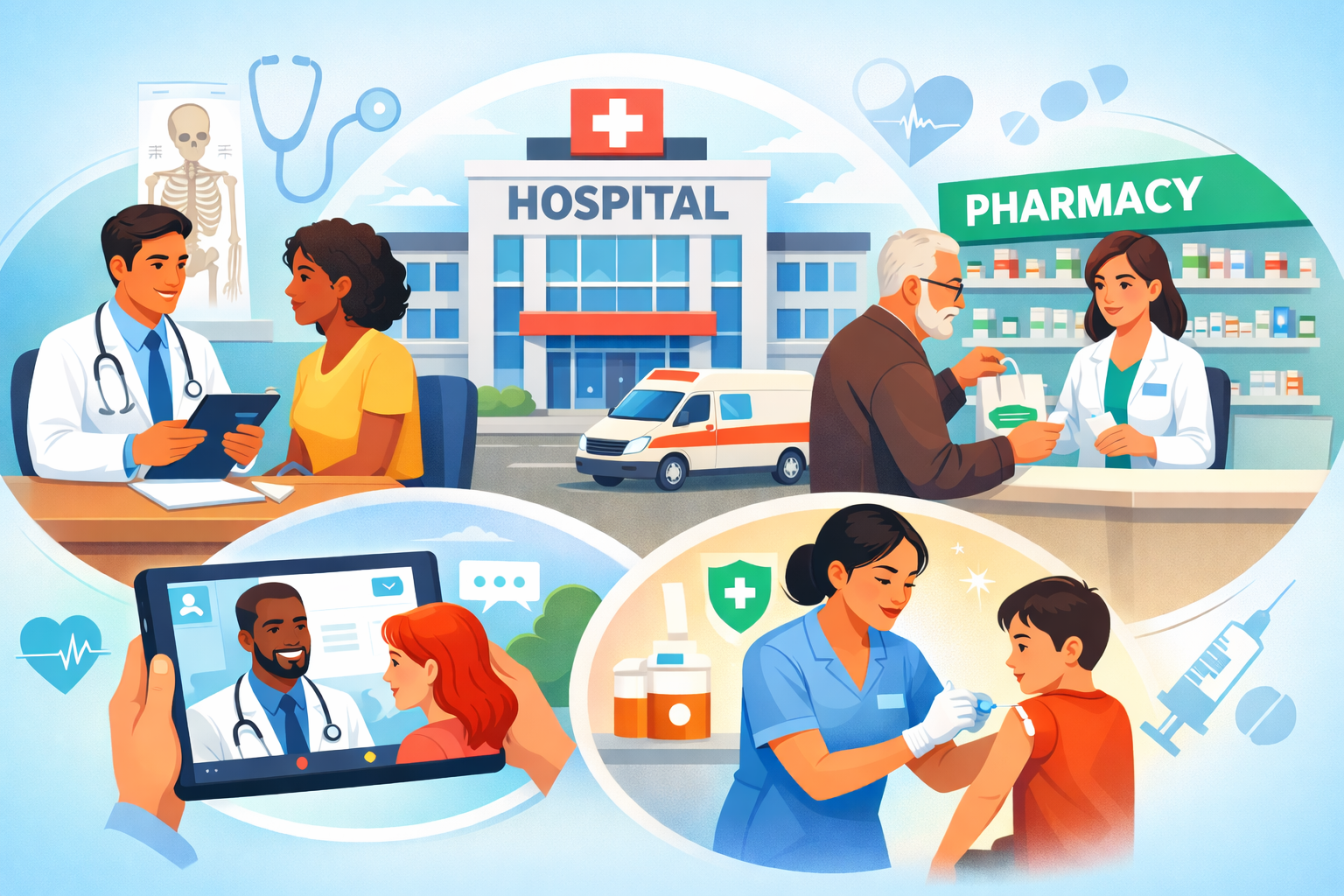
Healthcare is more than just visiting a doctor when you’re sick. It’s a comprehensive system that includes a variety of services designed to keep people healthy, treat illnesses, and support recovery. Understanding the types of health care services can help you make informed choices for yourself or your loved ones, and it’s essential knowledge for future healthcare professionals.
In this guide, we’ll cover all types of services, from traditional hospitals to modern telehealth, including their purpose, benefits, and how to choose the right one.
Hospitals
Overview:
Hospitals are the backbone of healthcare systems. They provide acute care, treat emergencies, and perform surgeries. Hospitals can be categorized as general, specialized, or teaching hospitals.
Types of Hospitals:
- General Hospitals: Treat a wide range of medical conditions and serve patients of all ages. Departments often include emergency care, internal medicine, surgery, maternity, and pediatrics.
- Specialized Hospitals: Focus on a specific type of care, such as cardiac care, cancer treatment, or pediatrics.
- Teaching Hospitals: Linked with medical schools, offering both patient care and training for medical students.
Benefits:
- Around-the-clock services
- Advanced diagnostic and treatment equipment
- Multidisciplinary teams for complex conditions
Statistics & Trends:
- According to the World Health Organization (WHO), hospitals handle more than 50% of acute care admissions globally.
- Modern hospitals increasingly integrate AI and telemedicine for faster diagnosis.
Patient Tip: Always check hospital accreditation and specialty certifications before choosing for elective surgeries.
Clinics
Overview:
Clinics are outpatient facilities that offer preventive care, routine check-ups, and treatment for minor illnesses. They are more accessible and cost-effective than hospitals.
Types of Clinics:
- General Clinics: Provide primary care for common illnesses, vaccinations, and basic health monitoring.
- Specialty Clinics: Focus on specific fields like dermatology, cardiology, gynecology, or physical therapy.
- Community Clinics: Serve underserved populations and often offer sliding-scale fees.
Benefits:
- Shorter wait times
- Lower costs than hospitals
- Convenient locations in neighborhoods or malls
Modern Trends:
- Some clinics now offer telehealth services to reduce in-person visits.
- Integration with electronic health records (EHR) allows for better patient tracking.
Patient Tip: Use clinics for non-urgent health issues to save time and costs.
Urgent Care Centers
Overview:
Urgent care centers bridge the gap between clinics and hospital emergency rooms. They provide immediate treatment for non-life-threatening conditions.
Common Services:
- Minor injuries (sprains, cuts)
- Sudden fever, flu, or infections
- Basic lab tests, X-rays, and prescriptions
Benefits:
- Walk-in visits with no appointment required
- Extended hours, including weekends
- Faster service than ER for minor issues
Patient Tip: For serious emergencies like chest pain or severe bleeding, always go to the ER.
Long-Term Care Services
Overview:
Long-term care (LTC) services help people who cannot fully care for themselves due to chronic illness, disability, or aging.
Types of Long-Term Care:
- Nursing Homes: Provide medical and personal care around the clock.
- Assisted Living Facilities: Offer support with daily activities while allowing independence.
- Adult Day Care Centers: Provide daytime supervision and activities for seniors.
Statistics:
- Over 1.3 million Americans reside in nursing homes (CDC, 2022).
- LTC demand is rising due to aging populations worldwide.
Patient Tip: Evaluate staff-to-patient ratio, safety measures, and recreational programs when choosing LTC services.
Ambulatory Surgical Centers (ASCs)
Overview:
ASCs offer same-day surgical procedures for patients who do not require overnight hospital stays.
Common Procedures:
- Colonoscopies
- Cataract removal
- Minor orthopedic surgeries
Benefits:
- Lower costs than hospital surgeries
- Shorter wait times
- Comfortable, specialized environment
Modern Trend:
ASCs are increasingly incorporating robotic-assisted surgeries for precision and faster recovery.
Mental Health Services
Overview:
Mental health services support individuals with emotional, psychological, or psychiatric challenges.
Types:
- Inpatient Psychiatric Facilities: Provide 24-hour care for crises.
- Outpatient Therapy Centers: Offer counseling, medication management, and group therapy.
- Community Mental Health Centers: Focus on accessible mental health support for underserved areas.
Benefits:
- Personalized care plans
- Evidence-based therapies
- Crisis intervention and long-term support
Patient Tip: Seek help early—mental health issues improve faster with timely intervention.
Rehabilitation Services
Overview:
Rehabilitation services help patients regain physical, cognitive, or emotional abilities after illness, surgery, or injury.
Types:
- Physical Rehabilitation: Physical therapy, occupational therapy, speech therapy
- Substance Abuse Rehabilitation: Combines medical care with counseling and support groups
- Post-Surgical Rehabilitation: Assists recovery and prevents complications
Statistics:
Physical therapy reduces hospital readmissions by 20–30% for post-operative patients (CDC).
Patient Tip: Ask for individualized rehabilitation plans and progress tracking.
Home Healthcare Services
Overview:
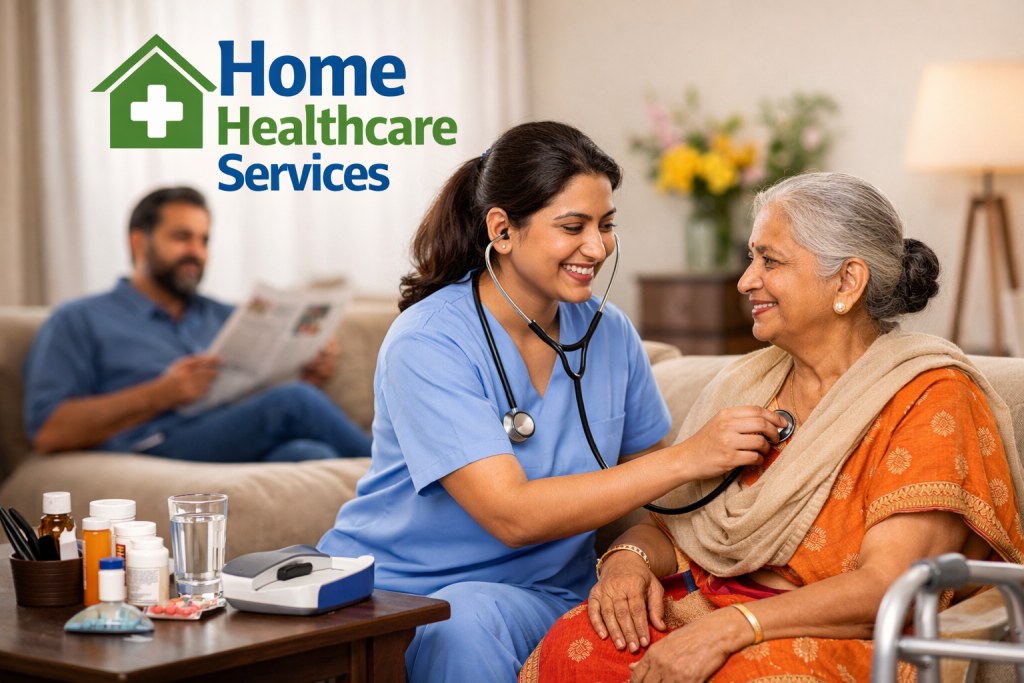
Home healthcare provides medical care at the patient’s residence, ideal for recovery from surgery, chronic conditions, or mobility limitations.
Services Include:
- Skilled nursing and wound care
- Physical therapy
- Daily activity assistance (bathing, meals)
Benefits:
- Comfort of home environment
- Reduced hospital stay costs
- Personalized care
Modern Trend:
Remote patient monitoring using wearables and health apps is growing rapidly.
Patient Tip: Ensure the agency is licensed and certified, and caregivers are trained for your specific needs.
Hospice and Palliative Care
Overview:
These services focus on comfort, dignity, and quality of life for patients with serious or terminal illnesses.
Differences:
- Palliative Care: Can start at any illness stage, alongside treatment
- Hospice Care: Typically when curative treatment is no longer effective
Services Include:
- Pain and symptom management
- Emotional and spiritual support
- Support for families
Patient Tip: Ask about team composition (nurses, social workers, therapists) and visitation options.
Community Health Centers
Overview:
Community health centers (CHCs) provide affordable healthcare to underserved populations.
Services:
- Primary care, dental, reproductive health
- Chronic disease management
- Behavioral health support
Benefits:
- Sliding-scale fees based on income
- Preventive care and early interventions
- Often bilingual staff for better accessibility
Modern Trend:
Integration of telehealth and mobile clinics to reach remote areas
Patient Tip: Check whether CHCs offer specialty referrals and preventive programs.
Retail Health Clinics
Overview:
Small walk-in clinics inside pharmacies, supermarkets, or big-box stores designed for convenience.
Services Include:
- Minor illness treatment (cold, flu, infections)
- Vaccinations
- Wellness checks
Benefits:
- Quick, no appointment needed
- Affordable compared to traditional clinics
- Accessible outside normal working hours
Patient Tip: Ideal for minor issues, not emergencies.
Telehealth Services
Overview:
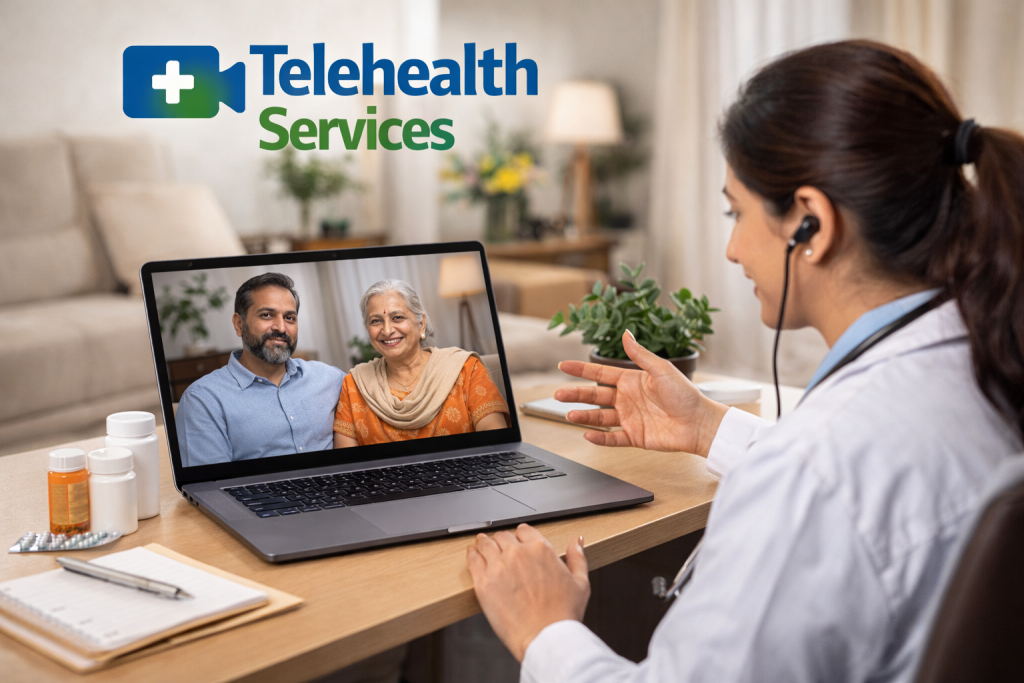
Telehealth connects patients with providers via phone, video calls, or apps.
Services Include:
- Follow-ups and consultations
- Therapy sessions
- Prescription management
Benefits:
- Reduces travel and wait times
- Access for rural or mobility-limited patients
- Effective for routine and preventive care
Statistics & Trend:
- Telehealth visits increased 38-fold during the COVID-19 pandemic (CDC, 2021).
- AI-driven symptom checkers and remote monitoring are revolutionizing telehealth.
Patient Tip: Ensure your provider is licensed in your state/country and data privacy is secure.
Comparing Healthcare Services
| Service Type | Typical Use | Cost | Accessibility | Length of Visit |
|---|---|---|---|---|
| Hospital | Emergencies, surgery | High | Moderate | Hours to days |
| Clinic | Routine check-ups | Low | High | < 1 hour |
| Urgent Care | Minor urgent issues | Medium | High | 30–60 mins |
| Long-Term Care | Chronic illness, elderly care | Medium–High | Moderate | Continuous |
| ASC | Same-day surgeries | Medium | Moderate | Few hours |
| Mental Health | Counseling, therapy | Medium | Moderate | 1 hr sessions |
| Rehab | Post-surgery or injury | Medium | Moderate | Weeks–months |
| Home Healthcare | Recovery at home | Medium | High | Continuous |
| Hospice/Palliative | End-of-life care | Medium | Moderate | Continuous |
| Community Health | Underserved populations | Low | High | 30–60 mins |
| Retail Clinics | Minor illnesses | Low | High | 15–30 mins |
| Telehealth | Remote consultation | Low | Very High | 15–30 mins |
Tips for Choosing the Right Health Care Service
- Assess Urgency: ER for emergencies, clinic for routine care.
- Check Specialty: Choose facilities that match your condition.
- Cost Considerations: Compare insurance coverage and out-of-pocket costs.
- Accessibility: Consider travel time, parking, and operating hours.
- Quality and Reputation: Look for accreditations, patient reviews, and staff experience.
- Modern Services: Telehealth and mobile clinics can be convenient for non-emergency care.
FAQs
Q1: What is the difference between a healthcare provider and a healthcare facility?
A healthcare provider is an individual (doctor, nurse, therapist) who delivers care, while a healthcare facility is the location where care is provided, such as hospitals or clinics.
Q2: Are all healthcare facilities required to be licensed?
Most facilities require licensing by national or state authorities. Accreditation may also be sought voluntarily to demonstrate quality.
Q3: Which healthcare service is best for minor illnesses?
Clinics, urgent care centers, retail health clinics, or telehealth services are suitable for minor, non-emergency conditions.
Q4: What modern trends should I look for in healthcare services?
Look for telehealth, AI-assisted diagnosis, outpatient surgeries, electronic health records, and remote patient monitoring.
Q5: How do I choose between home healthcare and long-term care facilities?
Home healthcare is ideal for patients needing support but able to live at home, while long-term care facilities suit those needing continuous supervision or specialized care.
Conclusion
Understanding the different types of health care services helps you make informed decisions, save time and money, and get the right care when you need it. From hospitals and clinics to telehealth and home care, each service serves a unique purpose. Choosing wisely ensures better health outcomes, comfort, and peace of mind. Stay informed, explore your options, and prioritize care that fits your needs.
