
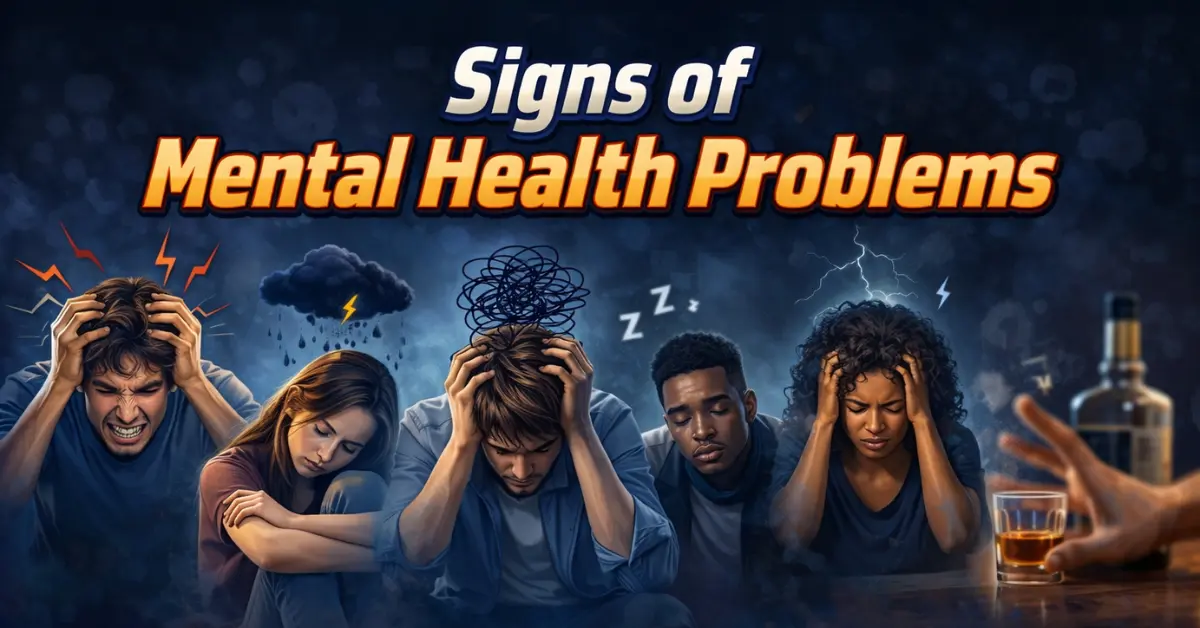
Mental health affects every aspect of life — from emotions to behavior, and even physical health. Recognizing the signs of mental health problems early is crucial for timely intervention, better outcomes, and improved overall well-being. This guide explores symptoms, causes, risk factors, treatment options, prevention, and strategies to support yourself or loved ones.
What Are Mental Health Problems?
Mental health problems, also called mental disorders, are conditions that affect a person’s mood, thinking, and behavior. They can be short-term or long-lasting and may impact daily life, relationships, school, or work. Mental health problems are common, treatable, and nothing to be ashamed of.
Common types include:
- Anxiety Disorders: Generalized anxiety, social anxiety, panic disorder, PTSD, OCD
- Mood Disorders: Depression, bipolar disorder
- Neurodevelopmental Disorders: ADHD, autism spectrum disorder
- Psychotic Disorders: Schizophrenia
- Eating Disorders: Anorexia, bulimia, binge-eating disorder
- Substance Use Disorders: Addiction to alcohol or drugs
- Personality Disorders: Borderline, antisocial, narcissistic personality disorders
Signs of Mental Health Problems
Recognizing signs of mental health problems early can make a huge difference. Symptoms vary by disorder, but common emotional, behavioral, cognitive, and physical signs include:
Emotional Signs
- Persistent sadness, irritability, or anger
- Mood swings affecting daily life
- Feelings of hopelessness, guilt, or worthlessness
- Excessive fear, worry, or nervousness
Behavioral Signs
- Withdrawal from friends, family, or activities
- Loss of interest in hobbies or work
- Neglecting personal hygiene or responsibilities
- Difficulty performing tasks previously managed easily
Cognitive Signs
- Trouble concentrating, making decisions, or remembering
- Confused or illogical thinking
- Heightened sensitivity to light, sound, or touch
- Feeling disconnected from oneself or surroundings
Physical Signs
- Changes in sleep patterns (insomnia or oversleeping)
- Changes in appetite or weight
- Frequent unexplained aches, headaches, or stomach issues
- Fatigue or low energy
Severe Warning Signs
- Thoughts of self-harm or suicide
- Aggressive or harmful behavior toward others
- Severe panic attacks or disorientation
Tip: Experiencing one or two symptoms occasionally may not indicate a mental health problem. Persistent or multiple symptoms that interfere with daily life are key warning signs.
Early Warning Signs to Watch For
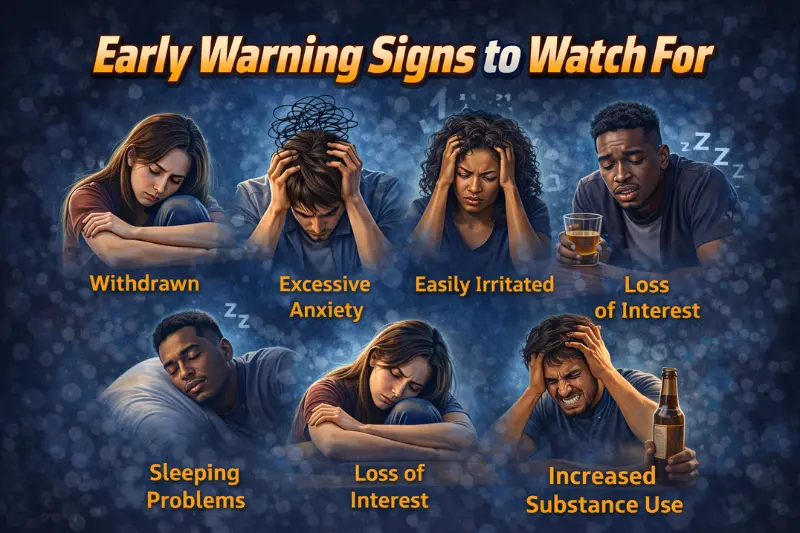
Mental illnesses rarely appear suddenly. Early indicators can include:
- Unexplained drop in performance at school, work, or social activities
- Sudden withdrawal from friends, sports, or hobbies
- Heightened sensitivity to stimuli (sounds, light, touch)
- Irrational fears or beliefs
- Frequent mood swings or emotional outbursts
Why it matters: Early recognition allows for timely intervention, which can reduce the severity of the disorder and improve quality of life.
Causes and Risk Factors
Mental health problems usually arise from a combination of biological, psychological, and environmental factors:
- Genetics: Family history of mental illness increases susceptibility
- Brain Chemistry: Neurotransmitter imbalances affect mood and behavior
- Life Experiences & Trauma: Abuse, neglect, loss, or chronic stress
- Medical Conditions: Chronic illnesses like diabetes, heart disease, or brain injury
- Substance Use: Alcohol, drugs, and addictive behaviors
- Environmental Stressors: Poverty, social isolation, unstable home environment
Risk factors often interact, increasing the likelihood of developing a mental disorder.
Complications of Untreated Mental Health Problems
If left untreated, mental health problems can lead to serious complications:
- Relationship difficulties and social isolation
- Academic or occupational challenges
- Substance abuse and self-medication
- Physical health problems, including heart disease or weakened immunity
- Increased risk of self-harm or suicide
- Financial, legal, or housing problems
Early identification and intervention reduce these risks significantly.
Diagnosis and Professional Help
Seeking professional help ensures accurate diagnosis and treatment.
Evaluation may include:
- Physical exam and medical history review
- Psychological assessments or questionnaires
- Observation of behavior patterns
Professionals who can help:
- Psychiatrists, psychologists, therapists
- Primary care physicians
- Social workers or counselors
Early intervention is crucial:
Timely treatment can reduce symptom severity, prevent chronic conditions, and improve long-term outcomes.
Treatment and Management
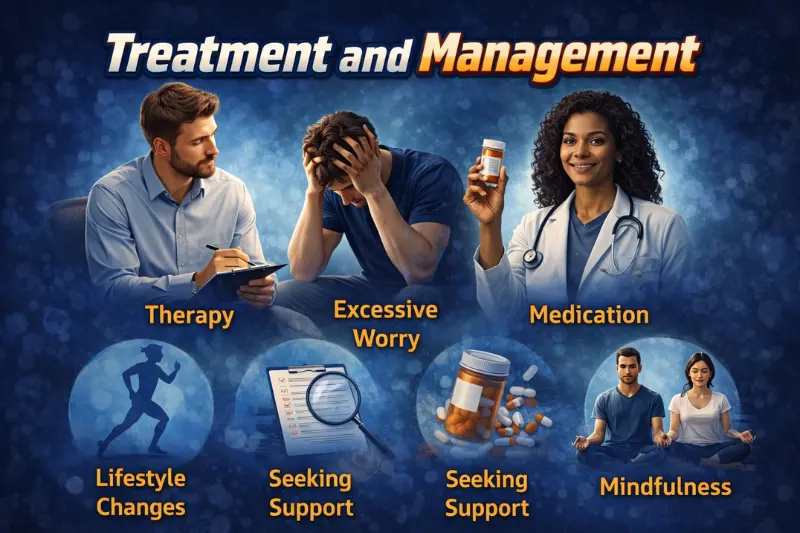
Treatment depends on the type, severity, and individual circumstances. Common approaches include:
- Psychotherapy: Cognitive-behavioral therapy (CBT), talk therapy, group or family therapy
- Medications: Antidepressants, antipsychotics, mood stabilizers
- Supportive Services: Social support, vocational guidance, community programs
- Lifestyle & Self-Help: Regular exercise, healthy diet, sufficient sleep, mindfulness, and stress management
- Advanced Therapies: Electroconvulsive therapy (ECT), transcranial magnetic stimulation (TMS), vagus nerve stimulation (VNS)
Treatment is often most effective when personalized, ongoing, and supported by professionals.
Supporting Loved Ones
Family, friends, teachers, and community members play a key role:
- Listen without judgment
- Encourage professional evaluation and treatment
- Help manage daily routines and appointments
- Educate yourself about mental illness to reduce stigma
- Promote healthy coping strategies and social connections
A supportive environment improves adherence to treatment and recovery outcomes.
Coping Strategies and Self-Care
Daily strategies can help maintain mental well-being:
- Maintain a consistent sleep and eating schedule
- Exercise regularly to boost mood and energy
- Practice mindfulness, meditation, or deep breathing
- Engage in hobbies and social activities
- Keep a gratitude journal or focus on positive thinking
- Limit alcohol and avoid drugs
- Monitor triggers and develop coping plans
Prevention and Maintenance
While not all mental health problems can be prevented, these steps reduce risk and improve resilience:
- Monitor early warning signs and triggers
- Maintain a balanced lifestyle: sleep, diet, exercise
- Develop stress management skills
- Build strong social networks
- Seek help promptly for emerging symptoms
Remember: Mental health is as important as physical health. Awareness, early intervention, and self-care are key to living a fulfilling and productive life.
FAQs
What are the common signs of mental health problems?
Common signs include persistent sadness, mood swings, withdrawal from activities, changes in sleep or appetite, difficulty concentrating, fatigue, and thoughts of self-harm.
How can I tell if someone is developing a mental illness?
Look for early warning signs like sudden withdrawal from friends, unexplained changes in behavior or performance, heightened sensitivity, and frequent mood swings. Multiple persistent symptoms may indicate the need for professional evaluation.
What should I do if I notice signs of mental health problems?
Seek help from a mental health professional, encourage self-care, monitor symptoms, and provide support without judgment. Early intervention improves outcomes.
Can mental health problems be prevented?
While not all can be prevented, maintaining a healthy lifestyle, managing stress, building social connections, and monitoring early warning signs can reduce risk and improve resilience.
Are mental health problems treatable?
Yes. With therapy, medications, supportive services, and self-care strategies, most mental health problems can be managed effectively. Early treatment often leads to better outcomes.
How important is support from family and friends?
Very important. Loved ones can encourage treatment, help manage daily routines, reduce stigma, and create a supportive environment for recovery.
Conclusion
Recognizing the signs of mental health problems early is crucial. Timely intervention, professional help, and self-care can improve well-being, prevent complications, and support a healthier, balanced life. Mental health matters — don’t ignore the warning signs.
