
Introduction
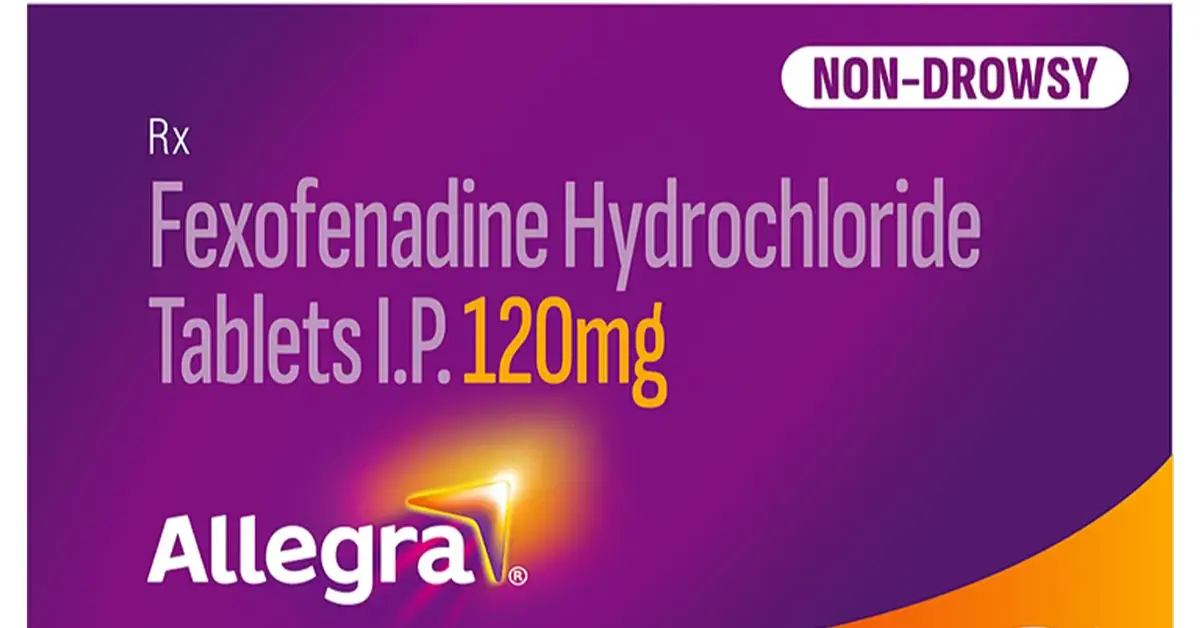
Allergies are more than just minor inconveniences. Sneezing, itchy eyes, and hives can disrupt your daily life, work, and sleep. Fexofenadine is a non-drowsy, fast-acting antihistamine that helps you regain control and live comfortably. This guide dives deep into Fexofenadine and Fexofenadine Hydrochloride, explaining how it works, its uses, benefits, recommended dosages, side effects, precautions, and tips to maximize effectiveness. By the end, you’ll have all the information needed to manage allergies safely and effectively.
What Is Fexofenadine?
You May Also Like It:
Tesamorelin: Benefits, Uses & Side Effects Guide
Prednisona: usos, efectos y cómo tomarla
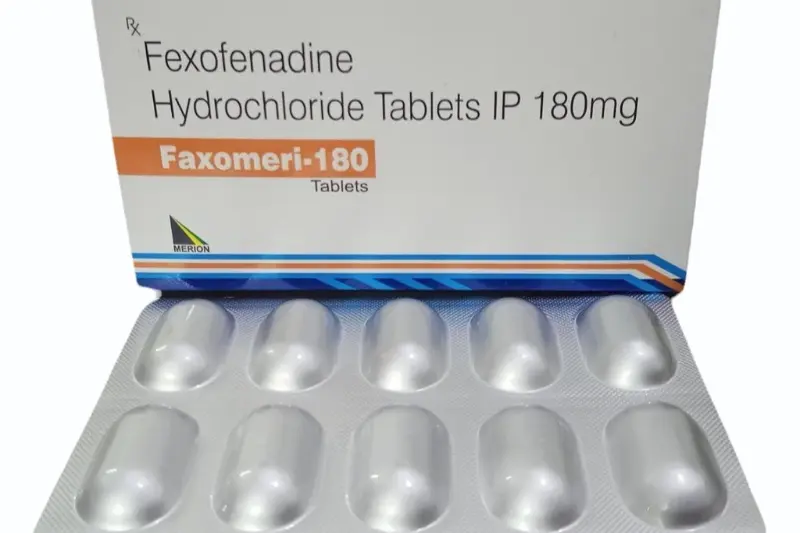
Fexofenadine is a second-generation antihistamine designed to relieve allergy symptoms. It works by blocking histamine, the chemical responsible for allergy symptoms such as sneezing, watery eyes, itching, and hives.
Unlike first-generation antihistamines, Fexofenadine rarely causes drowsiness, making it suitable for people who need to stay alert while treating allergies.
Key points:
- Non-sedating antihistamine
- Effective for seasonal and chronic allergies
- Available in tablet, oral suspension, and capsule forms
How Fexofenadine Works
When allergens like pollen, dust, or pet dander enter the body, the immune system releases histamine, causing inflammation and allergy symptoms.
Fexofenadine Hydrochloride blocks histamine receptors, preventing histamine from binding and triggering symptoms.
In simple terms: Fexofenadine acts as a barrier between your body and allergens, controlling symptoms without affecting alertness.
Uses of Fexofenadine
Fexofenadine is effective for various allergic conditions:
- Seasonal Allergic Rhinitis (Hay Fever): Sneezing, runny nose, and itchy eyes caused by pollen.
- Chronic Idiopathic Urticaria (Hives): Red, itchy welts on the skin.
- Nasal Congestion Relief: Helps reduce blocked nose and discomfort.
- Itchy or Watery Eyes: Common in seasonal allergies or pet allergies.
- Skin Reactions: Mild allergic rashes or dermatitis.
Benefits of Fexofenadine
- Non-drowsy: Stay alert while relieving allergy symptoms.
- Fast-acting: Begins to work within 1 hour.
- Long-lasting relief: Effective for up to 24 hours.
- Safe for multiple age groups: With dosage adjustments for children.
- Easy to administer: Available in various forms including tablets and liquid.
Fexofenadine vs Fexofenadine Hydrochloride
| Feature | Fexofenadine | Fexofenadine Hydrochloride |
| Form | Active ingredient | Salt form in tablets |
| Function | Relieves allergy symptoms | Stabilizes medicine for safe consumption |
| Brands | Fexofenadine | Allegra, Telfexo, etc. |
| Effectiveness | Same | Same |
Summary: Both forms provide identical relief. Hydrochloride is the stable form used in most medications.
Dosage Guidelines
| Age Group | Recommended Dose | Frequency |
| Adults & Children 12+ | 120–180 mg | Once daily |
| Children 6–11 | 30 mg | Twice daily |
| Children 2–5 | Doctor’s advice | – |
Tips for correct use:
- Take with plain water (avoid fruit juices).
- Avoid alcohol or sedatives while taking it.
- Do not exceed the prescribed dose.
Side Effects of Fexofenadine
Fexofenadine is generally well-tolerated. Some mild side effects may include:
- Headache
- Rare drowsiness
- Nausea or upset stomach
- Dry mouth
- Dizziness
Note: Persistent or severe side effects require immediate medical attention.
Precautions Before Taking Fexofenadine
- Kidney issues: Consult a doctor before use.
- Medication interactions: Avoid antacids 2 hours before or after Fexofenadine.
- Pregnancy & breastfeeding: Seek medical guidance.
- Children under 2: Only under doctor supervision.
Fexofenadine for Different Age Groups
- Children (6–11 years): Low-dose formulations (30 mg twice daily) are effective and safe.
- Adults: Standard doses (120–180 mg once daily) work for seasonal allergies and chronic hives.
- Seniors: Often well-tolerated; adjust dosage if kidney function is impaired.
Interactions with Other Medications
Fexofenadine may interact with:
- Antacids containing aluminum or magnesium (reduces absorption)
- Other antihistamines (increases risk of side effects)
- Sedatives or alcohol (though Fexofenadine is non-drowsy, caution advised)
Always inform your doctor about all medications you take.
Real-Life Case Study: Fexofenadine in Action
You May Also Like It:
Gabapentina 300 mg: qué es y para qué sirve
Phenol Peel – Deep Skin Treatment That Works
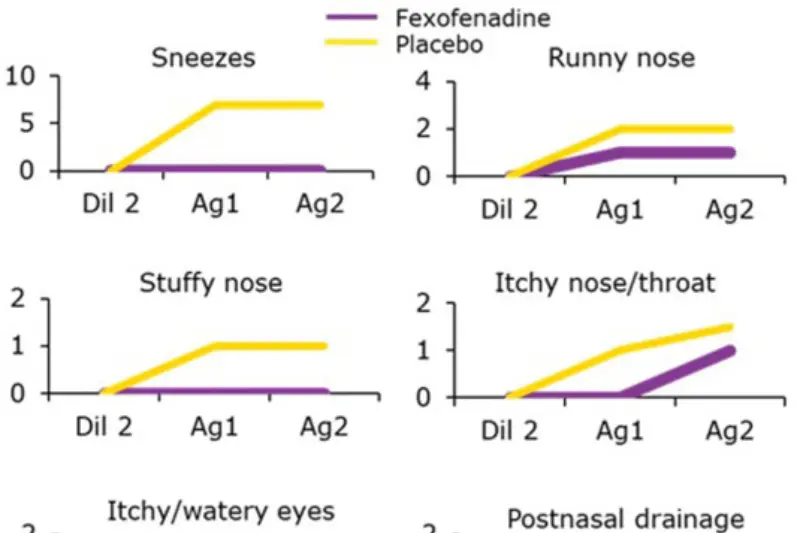
A 2024 study monitored 150 allergy patients:
- Dosage: 180 mg Fexofenadine daily
- Results: 70% reduction in nasal congestion and skin itchiness within 7 days
- Feedback: Improved sleep quality and daytime activity levels
- Conclusion: Fexofenadine provides fast, effective, and non-drowsy allergy relief
Tips to Maximize Effectiveness
- Take consistently at the same time every day.
- Stay hydrated to reduce symptoms and aid medication efficiency.
- Use nasal saline sprays alongside Fexofenadine.
- Track and avoid allergy triggers to minimize medication dependency.
Frequently Asked Questions (FAQs)
1. Can I take Fexofenadine daily?
Yes, especially during allergy seasons. Always follow your doctor’s instructions.
2. Is long-term use safe?
Generally safe, but periodic medical review is recommended.
3. Can Fexofenadine cause drowsiness?
Rarely. It is a non-drowsy antihistamine, unlike older alternatives.
4. What should I do if I miss a dose?
Take it as soon as remembered. If close to the next dose, skip the missed one.
5. Can children take Fexofenadine?
Yes, with age-appropriate doses as recommended by a doctor.
6. Can it be combined with other allergy medications?
Only under doctor supervision to avoid interactions.
Conclusion:
Fexofenadine is one of the most trusted non-drowsy antihistamines available. Fast-acting, long-lasting, and safe for multiple age groups, it helps millions worldwide manage seasonal allergies and chronic hives effectively. For anyone seeking safe, reliable allergy relief, consult your doctor about Fexofenadine Hydrochloride and take control of your allergy symptoms today.
You May Also Like It:
Tesamorelin: Benefits, Uses & Side Effects Guide
Prednisona: usos, efectos y cómo tomarla
Gabapentina 300 mg: qué es y para qué sirve
Phenol Peel – Deep Skin Treatment That Works
Testicular Calcium – Causes, Diagnosis and Care
