
Introduction
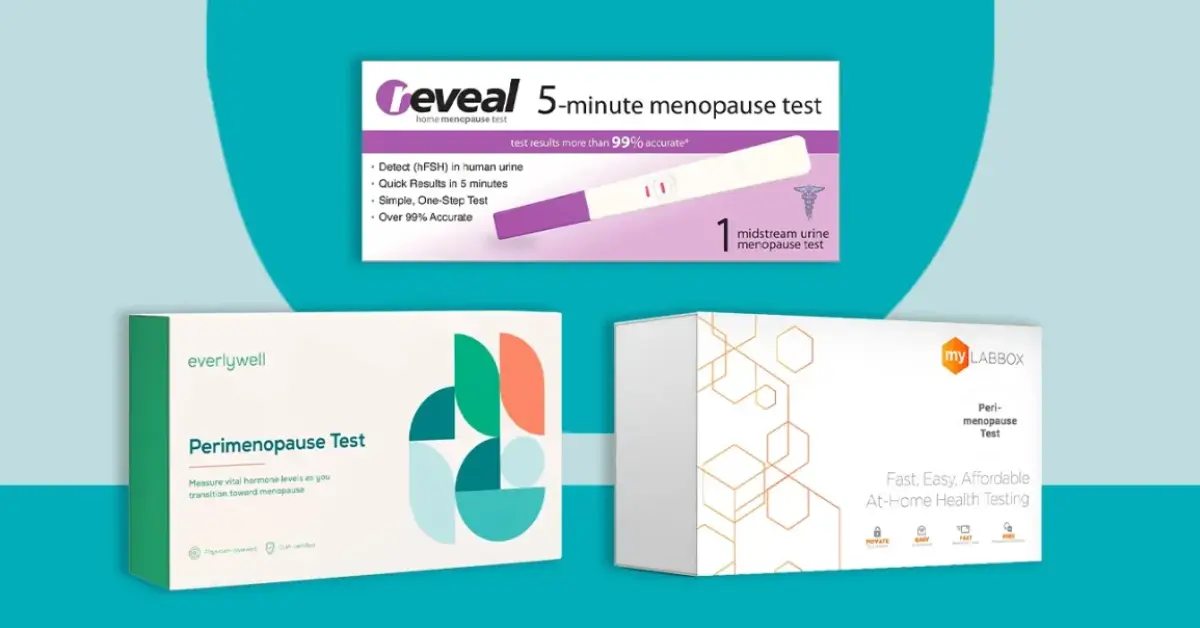
Perimenopause is the stage leading up to menopause, marked by gradual hormonal changes that can affect your menstrual cycle, mood, sleep, and overall well-being. For many women, these changes can be confusing—symptoms like hot flashes, irregular periods, or fatigue might be caused by stress, lifestyle factors, or other health conditions. That’s where perimenopause testing comes in. A perimenopause test helps identify whether hormonal fluctuations, particularly in estrogen and follicle-stimulating hormone (FSH) levels, are responsible for the changes you’re experiencing. Whether done in a clinic or with an at-home kit, these tests can provide valuable insight, guide treatment options, and help you feel more in control during this transition.
What Is a Perimenopause Test?
You May Also Like It:
Tesamorelin: Benefits, Uses & Side Effects Guide
Prednisona: usos, efectos y cómo tomarla

A perimenopause test is a medical or at-home assessment designed to measure hormone levels that change during the transition to menopause. The main hormones tested are:
- Follicle-Stimulating Hormone (FSH): Typically rises during perimenopause as the ovaries produce fewer eggs.
- Estradiol (a form of estrogen): Usually decreases over time, leading to many of the common symptoms.
- Luteinizing Hormone (LH): Works alongside FSH to regulate ovulation and may also shift during this stage.
The goal of the test is to determine whether your symptoms—such as irregular periods, night sweats, mood swings, or vaginal dryness—are linked to hormonal changes rather than other conditions.
Perimenopause testing can be performed through:
- Blood tests at a healthcare provider’s office
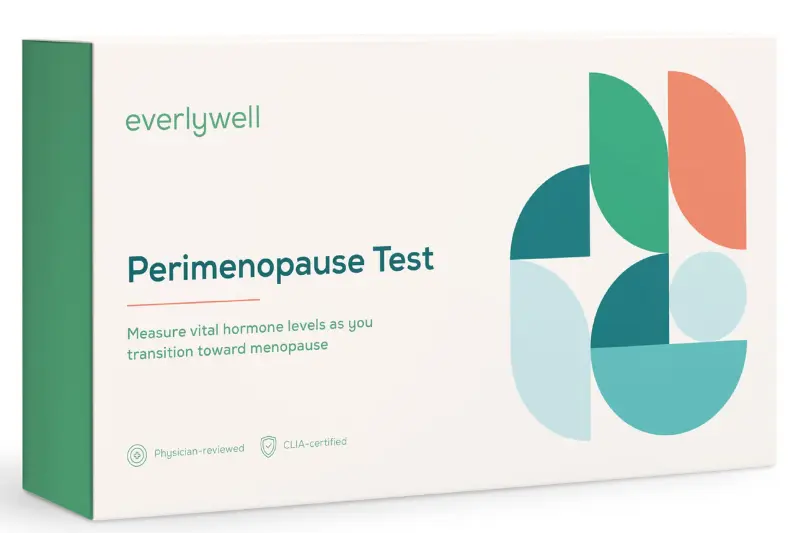
- At-home hormone test kits using saliva, urine, or finger-prick blood samples
Common Signs You Might Need a Perimenopause Test
Perimenopause can start years before menopause, and symptoms often appear gradually. Because these signs can overlap with other health issues—such as thyroid disorders, stress, or nutrient deficiencies—it’s not always obvious when hormonal changes are the cause.
You might consider taking a perimenopause test if you notice any of the following:
- Irregular Menstrual Cycles: Periods that come closer together, farther apart, or vary in flow.
- Hot Flashes and Night Sweats: Sudden feelings of heat, flushing, or sweating, especially at night.
- Mood Changes: Increased irritability, anxiety, or feelings of depression without a clear cause.
- Sleep Problems: Difficulty falling asleep or staying asleep, often linked to night sweats.
- Vaginal Dryness: Changes in estrogen can reduce natural lubrication, leading to discomfort.
- Fatigue and Low Energy: Persistent tiredness not relieved by rest.
- Memory or Concentration Issues: Trouble focusing or recalling information.
- Unexplained Weight Changes: Often around the abdomen.
Types of Perimenopause Tests
There are several ways to check for hormonal changes during perimenopause. The right choice depends on your symptoms, budget, and whether you prefer testing at home or in a clinic.
Blood Tests
Blood tests are the most common method used by healthcare providers. They measure specific hormone levels to assess whether you’re transitioning toward menopause.
- Follicle-Stimulating Hormone (FSH) Test: High levels can indicate reduced ovarian function.
- Estradiol Test: Measures estrogen, which typically drops during perimenopause.
- Luteinizing Hormone (LH) Test: Works alongside FSH to regulate your cycle.
- Thyroid Stimulating Hormone (TSH) Test: Often done to rule out thyroid problems that mimic perimenopause symptoms.
At-Home Hormone Test Kits
These kits allow you to collect samples from the comfort of your home. They usually require:
- Finger-prick blood samples
- Saliva samples
- Urine samples
Urine Tests
- Less common for perimenopause but sometimes used in fertility tracking. They detect hormone metabolites and can give insights into hormonal patterns over a cycle.
Combined Testing Panels
- Some labs and at-home providers offer menopause panels that measure multiple hormones at once, giving a more complete picture of your hormonal health.
How Perimenopause Tests Work
Perimenopause tests work by measuring the levels of specific hormones in your body that fluctuate as you transition toward menopause. These hormone changes affect menstrual cycles, mood, sleep, and other bodily functions.
Here’s how the process typically works:
Sample Collection
- Blood Test (Clinic): A small blood sample is taken from a vein, usually in your arm.
- At-Home Kit: You may provide a finger-prick blood drop, saliva sample, or urine sample, depending on the kit.
Hormone Measurement
Laboratories analyze the sample for key hormones:
- Follicle-Stimulating Hormone (FSH): Rises when your ovaries slow down egg production.
- Estradiol: Declines during perimenopause, often leading to symptoms like hot flashes.
- Luteinizing Hormone (LH): Works with FSH to regulate ovulation and also shifts during this stage.
- Thyroid Hormones (TSH, T4): Checked to rule out thyroid disorders with similar symptoms.
Timing for Best Accuracy
Hormone levels naturally fluctuate throughout your cycle. For more reliable results, your healthcare provider might:
- Recommend testing on day 3 of your menstrual cycle for baseline levels.
- Repeat testing if results are borderline or unclear.
Interpreting the Results
- High FSH + Low Estradiol: Often suggests you are in perimenopause or approaching menopause.
- Normal Hormone Levels + Symptoms: May indicate early perimenopause or another health condition.
Understanding Hormone Changes in Perimenopause
Perimenopause is driven by natural shifts in the hormones that regulate your menstrual cycle and reproductive health. These changes happen gradually but can cause noticeable physical and emotional symptoms.
Here’s a closer look at the main hormones involved:
Estrogen (Estradiol)
- Role: Supports reproductive function, bone health, and cardiovascular health, and helps regulate mood.
- Change in Perimenopause: Levels begin to fluctuate and gradually decline, leading to symptoms such as hot flashes, vaginal dryness, and irregular periods.
Progesterone
- Role: Prepares the uterus for pregnancy and balances estrogen’s effects.
- Change in Perimenopause: Drops due to fewer ovulatory cycles, which can cause heavier or irregular menstrual bleeding and mood changes.
Follicle-Stimulating Hormone (FSH)
- Role: Stimulates the ovaries to produce eggs and estrogen.
- Change in Perimenopause: Increases as the ovaries respond less efficiently, signaling that fertility is declining.
Luteinizing Hormone (LH)
- Role: Triggers ovulation mid-cycle.
- Change in Perimenopause: May rise and become more erratic, contributing to irregular ovulation and cycles.
Testosterone
- Role: Supports libido, energy levels, and muscle mass.
- Change in Perimenopause: Declines slowly, sometimes contributing to reduced sexual desire and fatigue.
Accuracy and Limitations of Perimenopause Testing
Perimenopause testing can provide useful insights, but it’s not a perfect diagnostic tool. Hormonal changes during this stage are complex and can vary greatly from one woman to another, even from day to day.
Why Accuracy Can Be Challenging
- Hormone Fluctuations: Estrogen, progesterone, and FSH levels can rise and fall dramatically within a single menstrual cycle, making a one-time test less reliable.
- Cycle Variability: If you still have periods, your hormone levels will differ depending on when you test.
- Influence of Other Factors: Stress, illness, certain medications, and thyroid conditions can affect hormone levels and mimic perimenopause symptoms.
When Results Are Most Useful
- If combined with a detailed symptom history and age-related trends.
- When multiple hormone tests are done over time to observe patterns.
- If other possible causes (such as thyroid disorders) are ruled out through additional tests.
Key Limitations
- No Single Test Can Confirm Perimenopause: Diagnosis is usually based on a combination of symptoms, age, and test results.
- At-Home Kits May Be Less Comprehensive: While convenient, they may not measure all relevant hormones or screen for other health issues.
- Interpreting Results Requires Expertise: Only a healthcare provider can connect test results with your overall health picture.
When Should You See a Doctor?
While some women manage perimenopause symptoms on their own, there are situations where professional medical guidance is essential. A doctor can help confirm whether your symptoms are due to hormonal changes or another underlying condition, and they can recommend treatment options to improve your quality of life.
You Should See a Doctor If You Experience:
- Symptoms Before Age 40: This could indicate premature menopause or another health issue that needs prompt attention.
- Very Heavy or Prolonged Bleeding: Could signal fibroids, hormonal imbalance, or endometrial problems.
- Bleeding Between Periods or After Sex: Should be checked to rule out polyps, infections, or, rarely, cancer.
- Severe Hot Flashes or Night Sweats: Especially if they disrupt daily life or sleep.
- Sudden Mood Changes or Depression: Mental health support is important during hormonal transitions.
- Persistent Pain or Discomfort: Pelvic pain, bloating, or breast changes should be evaluated.
Managing Symptoms While Waiting for Test Results
Waiting for test results can feel frustrating, especially if your symptoms are affecting your daily life. The good news is, there are practical steps you can take right now to ease discomfort and support your overall well-being—regardless of whether perimenopause is confirmed.
Track Your Symptoms
- Keep a journal of your menstrual cycles, sleep patterns, mood changes, and hot flashes.
- This record will help your doctor connect your symptoms to possible hormonal changes.
Adjust Your Diet
- Add calcium-rich foods (dairy, leafy greens) to support bone health.
- Include phytoestrogens (soy, flaxseeds, chickpeas) that may help balance hormones naturally.
- Reduce caffeine and alcohol to lessen hot flashes and sleep disturbances.
Stay Active
- Aim for 30 minutes of moderate exercise most days—walking, yoga, or swimming can boost mood and bone strength.
- Strength training helps maintain muscle mass and metabolism.
Manage Stress
- Try relaxation techniques like deep breathing, meditation, or gentle stretching.
- Consistent stress reduction can improve sleep and stabilize mood.
Improve Sleep Hygiene
- Keep your bedroom cool to minimize night sweats.
- Go to bed and wake up at the same time every day.
- Limit screen time before bedtime.
Consider Natural or Over-the-Counter Support
- Black cohosh, evening primrose oil, and magnesium supplements are popular for symptom relief (consult your doctor before starting).
- Vaginal moisturizers or lubricants can help with dryness and discomfort.
Best Lifestyle Changes for Perimenopause Support
You May Also Like It:
Gabapentina 300 mg: qué es y para qué sirve
Phenol Peel – Deep Skin Treatment That Works
Perimenopause is a natural stage of life, but its symptoms can feel overwhelming without the right approach. Making targeted lifestyle changes can not only ease discomfort but also improve your long-term health as you transition toward menopause.
Focus on a Balanced, Nutrient-Rich Diet
- Prioritize calcium and vitamin D: Strengthen bones and reduce osteoporosis risk.
- Add healthy fats: Sources like salmon, avocado, and nuts support hormone production.
- Include high-fiber foods: Whole grains, fruits, and vegetables help regulate digestion and blood sugar.
- Limit processed sugar and refined carbs: Reduces inflammation and weight gain.
Stay Consistently Active
- Cardio exercise: Walking, cycling, or swimming improves heart health and boosts mood.
- Strength training: Builds muscle mass, supports metabolism, and protects bones.
- Flexibility and balance exercises: Yoga and Pilates reduce stiffness and improve mobility.
Support Emotional Well-Being
- Practice mindfulness meditation or deep breathing to manage anxiety and stress.
- Engage in hobbies or creative outlets that bring joy and relaxation.
- Maintain a strong support network of friends, family, or support groups.
Improve Sleep Quality
- Keep a consistent bedtime and wake-up time—even on weekends.
- Create a calm, dark, and cool sleep environment.
- Avoid large meals, caffeine, or alcohol close to bedtime.
Avoid Triggers for Hot Flashes
- Common triggers include spicy foods, hot drinks, alcohol, and stress.
- Wear breathable, layered clothing so you can cool down quickly when symptoms strike.
Stay Hydrated
- Aim for at least 8 glasses of water daily.
- Hydration helps with energy levels, skin health, and temperature regulation.
Regular Health Checkups
- Schedule routine screenings for blood pressure, cholesterol, and bone density.
- Discuss preventive measures with your doctor to reduce future health risks.
Frequently Asked Questions (FAQs) About Perimenopause Tests
Can a blood test confirm perimenopause?
A blood test can measure hormones like FSH and estradiol, which change during perimenopause, but results should be combined with symptom history for an accurate diagnosis.
What age should I consider a perimenopause test?
Most women start perimenopause in their 40s, but testing may be considered earlier if symptoms appear before age 40 or if cycles change significantly.
Are at-home perimenopause tests accurate?
They can provide useful insights, but hormone levels fluctuate, so results may vary. Always confirm with a healthcare provider.
How long does perimenopause last?
It typically lasts 4–8 years, though the duration can be shorter or longer for some women.
Can perimenopause symptoms be mistaken for other conditions?
Yes. Thyroid disorders, stress, and certain nutrient deficiencies can cause similar symptoms, which is why medical evaluation is important.
Do I need to fast before a perimenopause test?
Fasting is usually not required for hormone testing, but follow your healthcare provider’s specific instructions.
Can lifestyle changes reduce the need for medication during perimenopause?
Yes. Diet, exercise, and stress management can significantly ease symptoms, though some women may still benefit from medical treatments.
How often should hormone levels be tested during perimenopause?
Testing may be repeated every few months if symptoms change or to monitor hormone therapy, but frequency depends on your doctor’s advice.
Conclusion
Perimenopause is a natural transition, but the changes it brings can feel unpredictable and, at times, overwhelming. A perimenopause test can be a valuable tool for understanding whether hormonal shifts are behind your symptoms, helping you make informed decisions about your health. While no single test can provide a definitive answer, combining test results with symptom tracking and professional medical advice offers the clearest picture. By recognizing the signs early, seeking appropriate testing, and making supportive lifestyle changes, you can navigate this stage with greater confidence and comfort. Remember, perimenopause is not just an ending—it’s the beginning of a new chapter in your health journey, and with the right knowledge and support, you can approach it with strength and balance.
You May Also Like It:
Tesamorelin: Benefits, Uses & Side Effects Guide
Prednisona: usos, efectos y cómo tomarla
Gabapentina 300 mg: qué es y para qué sirve
Phenol Peel – Deep Skin Treatment That Works
Testicular Calcium – Causes, Diagnosis and Care
