
Introduction
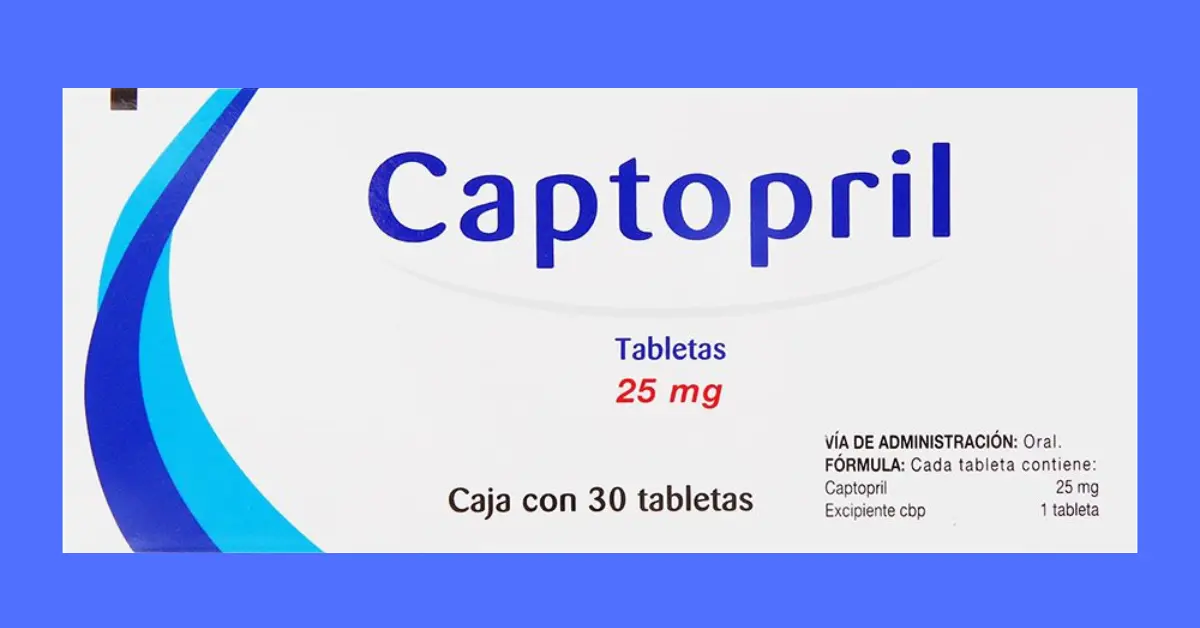
Captopril is a widely prescribed medication for high blood pressure, heart failure, and diabetic kidney complications. As one of the most trusted ACE inhibitors, it helps improve heart and kidney health while lowering blood pressure effectively.
In this guide, you’ll discover:
- How captopril works
- Recommended dosages for various conditions
- Benefits and potential side effects
- Precautions and real-world patient tips
By the end, you’ll have a clear, trustworthy understanding of captopril, enabling you to make informed decisions about your treatment.
What Is Captopril?
You May Also Like It:
Tesamorelin: Benefits, Uses & Side Effects Guide
Prednisona: usos, efectos y cómo tomarla
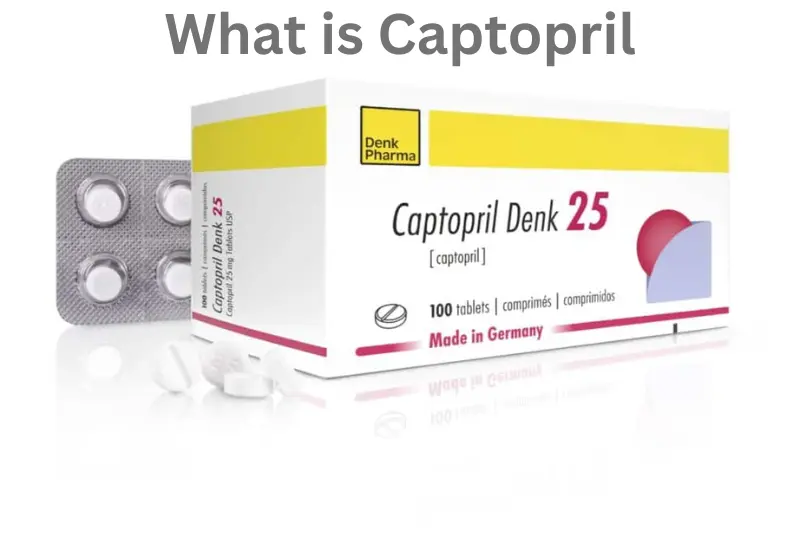
Captopril is an ACE (Angiotensin-Converting Enzyme) inhibitor. It prevents a hormone called angiotensin II from narrowing blood vessels. This relaxation of vessels lowers blood pressure and reduces stress on the heart.
Doctors commonly prescribe captopril for:
- Hypertension (high blood pressure)
- Heart failure
- Diabetic kidney disease (nephropathy)
- Recovery after a heart attack
Think of captopril as a “pressure relief system” for your cardiovascular system. It helps your heart and kidneys function more efficiently while minimizing long-term damage.
How Captopril Works
Captopril works by blocking the conversion of angiotensin I to angiotensin II, a hormone that tightens blood vessels. By doing so, it:
- Relaxes blood vessels – lowering blood pressure
- Reduces strain on the heart – improving cardiac output
- Protects the kidneys – reducing protein leakage in diabetic patients
Example:
A patient with high blood pressure and early kidney damage may see improved kidney function after consistent captopril therapy. This demonstrates its dual benefit for both heart and renal health.
Key Uses of Captopril
Hypertension (High Blood Pressure)
Captopril lowers blood pressure effectively, which reduces risks of:
- Stroke
- Heart attack
- Kidney damage
Why it works:
Captopril relaxes arteries, making it easier for blood to flow, which naturally decreases blood pressure.
Tip: For optimal results, combine captopril with a healthy diet and lifestyle.
Heart Failure
Heart failure occurs when the heart cannot pump efficiently. Captopril helps:
- Reduce fluid retention
- Improve energy levels
- Lower hospitalizations for heart-related complications
Case study:
Patients on captopril for chronic heart failure often experience fewer episodes of breathlessness and swelling, improving their quality of life.
Diabetic Kidney Disease
Captopril is especially beneficial for patients with diabetic nephropathy. It:
- Reduces protein leakage in urine (albuminuria)
- Slows kidney function decline
- Maintains stable blood pressure
This makes it a cornerstone in diabetes management when kidney protection is a priority.
Post-Heart Attack Support
You May Also Like It:
Gabapentina 300 mg: qué es y para qué sirve
Phenol Peel – Deep Skin Treatment That Works
After a myocardial infarction, captopril can:
- Prevent ventricular remodeling
- Reduce risk of future heart failure
- Support long-term survival
Tip: Early initiation after a heart attack improves outcomes, but always under doctor supervision.
Captopril Dosage Guide
Dosage depends on condition, age, and individual response. Always follow your doctor’s instructions.
| Condition | Typical Starting Dose | Maintenance Dose |
|---|---|---|
| Hypertension | 25 mg | 50–100 mg/day (divided 2–3 times) |
| Heart Failure | 6.25–12.5 mg | Up to 150 mg/day (divided) |
| Diabetic Kidney Disease | 25 mg | 75–100 mg/day (divided) |
Tips for Patients:
- Take 1 hour before meals for best absorption
- Measure blood pressure regularly
- Never double doses if you miss one
Benefits of Captopril

Captopril offers multiple advantages:
- Effective blood pressure control
- Improves heart function in heart failure patients
- Protects kidneys in diabetic and hypertensive patients
- Reduces risk of heart attack or stroke
- Can be combined with other medications for comprehensive cardiovascular care
Example:
A patient taking captopril for hypertension and early kidney disease saw stabilized blood pressure and reduced urine protein over 6 months.
Side Effects of Captopril
Like all medications, captopril may cause side effects:
Common Side Effects:
- Dry cough
- Dizziness or lightheadedness
- Headache
- Altered taste
Serious Side Effects (Immediate Medical Attention Needed):
- Swelling of lips, tongue, or face (angioedema)
- Kidney problems
- Elevated potassium levels (hyperkalemia)
Pro Tip: If you experience persistent cough or swelling, contact your doctor immediately.
Precautions and Contraindications
Before taking captopril, inform your doctor if you:
- Have kidney disease
- Are dehydrated or on diuretics
- Have high potassium levels
- Are pregnant or planning pregnancy
- Take other blood pressure medications
Never stop captopril suddenly. Gradual reduction under supervision is essential.
Captopril vs Other ACE Inhibitors
| Feature | Captopril | Enalapril | Lisinopril |
|---|---|---|---|
| Onset | Fast | Moderate | Slow |
| Dosing | 2–3 times/day | Once/day | Once/day |
| Taste Changes | Common | Rare | Rare |
| Best For | Rapid BP control | Long-term therapy | Long-term therapy |
Key Insight: Captopril is ideal for rapid blood pressure management, while others like lisinopril are better for long-term, once-daily use.
Tips for Maximizing Effectiveness
- Take captopril consistently at the same time daily
- Maintain a low-sodium diet
- Stay hydrated, but avoid excessive potassium-rich foods unless advised
- Monitor blood pressure and kidney function regularly
- Report any side effects promptly
Example: Patients combining captopril with lifestyle changes like exercise and reduced salt intake often see faster blood pressure improvement.
FAQs :
How quickly does captopril lower blood pressure?
Blood pressure can start dropping within 15–60 minutes after a dose.
Can I take captopril with food?
Yes, but for maximum absorption, take it 1 hour before meals.
Is captopril safe during pregnancy?
No, ACE inhibitors can cause fetal harm. Alternative medications are preferred.
What happens if I miss a dose?
Take it as soon as remembered. Skip if near the next dose. Do not double doses.
Does captopril cause a cough?
Yes, a dry, persistent cough is common. Contact your doctor if it becomes severe.
Can I stop taking captopril once my blood pressure improves?
No, stopping suddenly can raise blood pressure. Continue under medical supervision.
Can captopril be combined with other medications?
Yes, it is often combined with diuretics, beta-blockers, or calcium channel blockers — always under medical guidance.
Conclusion :
Captopril is a highly effective ACE inhibitor for controlling high blood pressure, improving heart function, and protecting kidneys — especially in diabetic patients. Its fast-acting properties, combined with lifestyle modifications and proper monitoring, make it a cornerstone of cardiovascular care. When used correctly and under professional supervision, captopril provides lasting health benefits and improved quality of life. Always consult your doctor before starting, adjusting, or stopping captopril therapy.
You May Also Like It:
Tesamorelin: Benefits, Uses & Side Effects Guide
Prednisona: usos, efectos y cómo tomarla
Gabapentina 300 mg: qué es y para qué sirve
Phenol Peel – Deep Skin Treatment That Works
Testicular Calcium – Causes, Diagnosis and Care
