
What Are High Protein Foods?
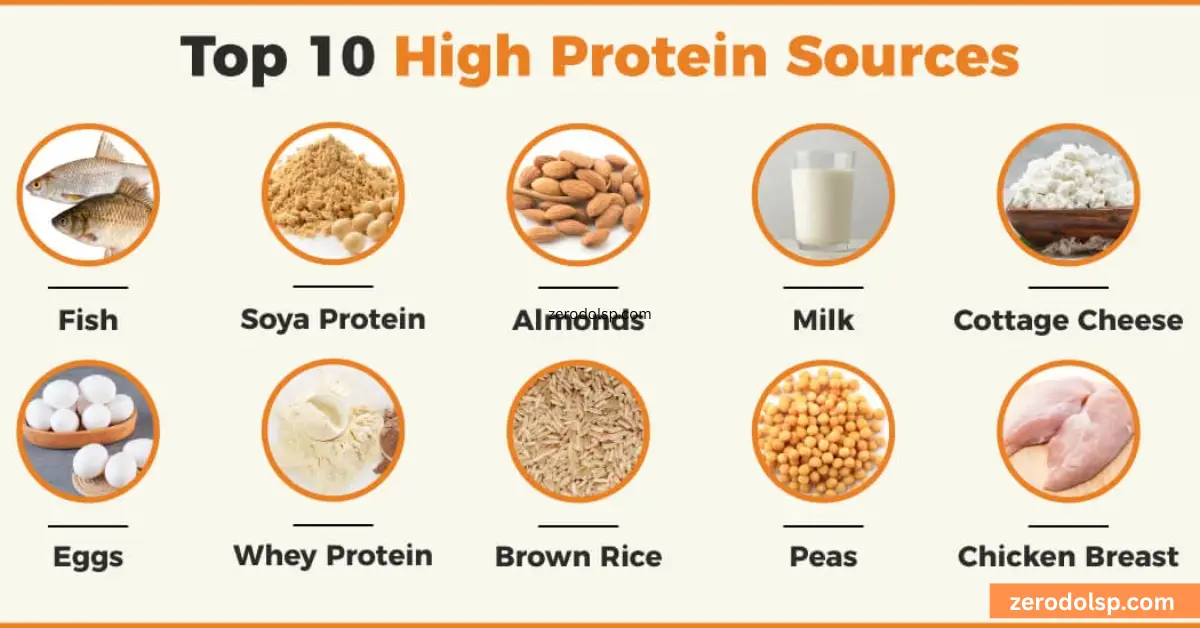
High protein foods are foods that contain a large amount of protein per serving. Protein is one of the essential nutrients your body needs to function properly. These foods help build and repair muscles, support your immune system, and keep you feeling full and energized.
Examples of high protein foods include meat, fish, eggs, dairy products, legumes, nuts, and some grains. Including these foods in your diet ensures you get enough protein to support your body’s daily needs.
Why Is Protein Important for Your Health?
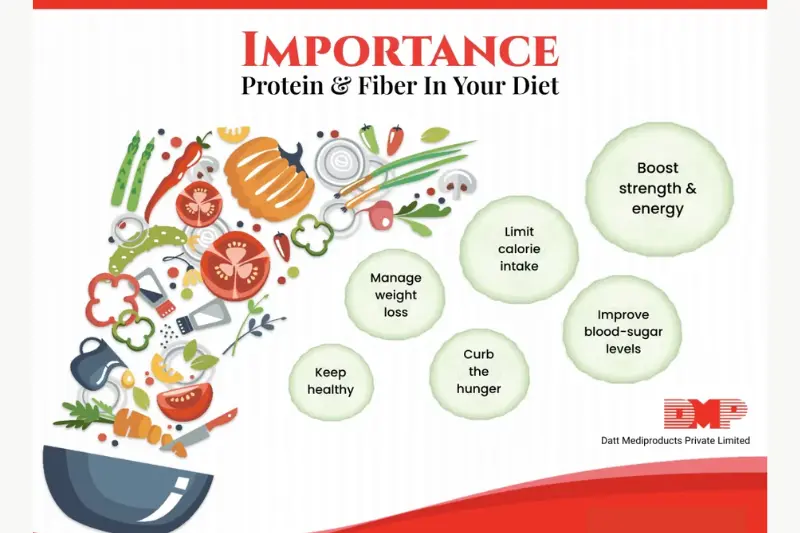
Protein is a vital nutrient that plays many important roles in your body. It helps build and repair muscles, skin, and other tissues, making it essential for healing and growth. Protein also supports your immune system, helping your body fight infections.
Additionally, protein keeps you feeling full longer, which can help control hunger and support healthy weight management. It also provides energy and helps maintain strong bones, healthy hair, and nails.
Without enough protein, your body can struggle to perform these vital functions properly, which is why eating enough high protein foods is so important for your overall health.
How Much Protein Do You Need Daily?
The amount of protein you need each day depends on your age, body weight, activity level, and health goals.
- For most healthy adults, the general recommendation is about 0.8 grams of protein per kilogram of body weight.
For example, if you weigh 70 kg (about 154 pounds), you’d need around 56 grams of protein daily. - If you’re active, trying to build muscle, pregnant, or recovering from illness, your protein needs might be higher — around 1.2 to 2.0 grams per kilogram of body weight.
- Older adults also may benefit from eating more protein to maintain muscle mass and strength.
It’s a good idea to spread your protein intake throughout the day by including high protein foods in every meal.
Top High Protein Foods to Add to Your Diet
Adding high protein foods to your meals can help you meet your daily protein needs easily. Here are some of the best protein-packed foods you can enjoy:
Chicken Breast
Lean and versatile, chicken breast contains about 31 grams of protein per 100 grams. It’s low in fat and easy to cook in many ways.
Eggs
A complete protein source, eggs provide around 6 grams of protein each, along with important vitamins and minerals.
Greek Yogurt
This thick, creamy yogurt has nearly double the protein of regular yogurt—about 10 grams per 100 grams—and supports gut health with probiotics.
Lentils
Lentils offer about 9 grams of protein per 100 grams cooked, plus plenty of fiber and nutrients. They’re a great plant-based option.
Tuna
A lean fish with around 30 grams of protein per 100 grams, tuna is also rich in heart-healthy omega-3 fats.
Cottage Cheese
Low in fat and rich in protein, cottage cheese contains about 11 grams of protein per 100 grams. It’s great as a snack or part of meals.
Almonds
Nuts like almonds provide about 21 grams of protein per 100 grams, plus healthy fats and fiber.
Quinoa
A complete plant protein with about 8 grams per cooked cup, quinoa is gluten-free and packed with vitamins and minerals.
Best Animal-Based Protein Sources
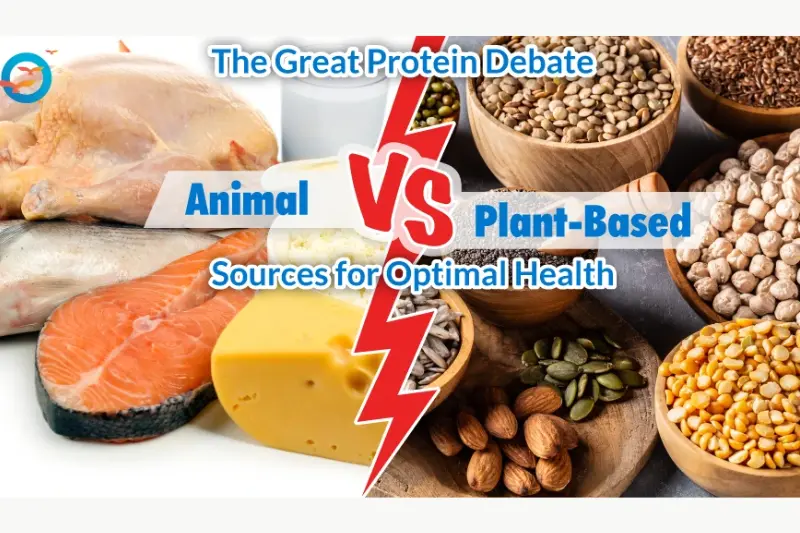
Animal-based proteins are considered complete proteins because they contain all the essential amino acids your body needs. Here are some of the best animal-based protein sources to include in your diet:
Chicken Breast
A lean, versatile protein with about 31 grams of protein per 100 grams. Perfect for grilling, baking, or stir-frying.
Eggs
Each egg provides around 6 grams of high-quality protein along with essential vitamins like B12 and D.
Fish (Tuna, Salmon, Cod)
Fish like tuna and salmon are rich in protein (around 20-30 grams per 100 grams) and omega-3 fatty acids, which support heart health.
Lean Beef
Lean cuts of beef offer about 26 grams of protein per 100 grams and are rich in iron and vitamin B12.
Turkey
Turkey breast contains about 29 grams of protein per 100 grams and is low in fat, making it a great healthy choice.
Cottage Cheese
With roughly 11 grams of protein per 100 grams, cottage cheese is a tasty, low-fat dairy option.
Greek Yogurt
Greek yogurt contains about 10 grams of protein per 100 grams and supports digestive health thanks to probiotics.
Best Plant-Based Protein Sources
If you follow a vegetarian or vegan diet, or simply want to add more plant proteins to your meals, there are plenty of delicious options that provide essential nutrients and protein.
Lentils
Lentils offer about 9 grams of protein per 100 grams cooked. They’re also rich in fiber, iron, and folate, making them a nutritious choice.
Chickpeas
Chickpeas (garbanzo beans) provide around 9 grams of protein per 100 grams cooked. They’re great for salads, hummus, and stews.
Quinoa
Quinoa is a complete protein with about 8 grams of protein per cooked cup. It’s gluten-free and packed with vitamins and minerals.
Tofu
Made from soybeans, tofu contains about 8 grams of protein per 100 grams. It’s versatile and absorbs the flavors of whatever you cook it with.
Edamame
These young soybeans provide roughly 11 grams of protein per 100 grams and make a tasty snack or salad addition.
Chia Seeds
Though small, chia seeds pack about 17 grams of protein per 100 grams, plus fiber and omega-3 fats.
Almonds and Other Nuts
Nuts like almonds provide about 21 grams of protein per 100 grams, along with healthy fats and fiber.
Black Beans
Black beans offer around 8 grams of protein per 100 grams cooked and are rich in fiber and antioxidants.
Benefits of Eating High Protein Foods
Including high protein foods in your diet offers many health advantages. Here are some of the top benefits:
Builds and Repairs Muscles
Protein is essential for muscle growth and repair. Whether you exercise regularly or are recovering from injury, protein helps your body heal and stay strong.
Supports Weight Management
Protein keeps you feeling full longer by reducing hunger hormones. This can help control your appetite and reduce overeating, making it easier to maintain or lose weight.
Boosts Metabolism
Digesting protein burns more calories compared to fats or carbs because of its higher thermic effect. This means eating protein can slightly increase your calorie burn.
Maintains Healthy Skin, Hair, and Nails
Protein is a building block for keratin and collagen, which are important for healthy skin, strong hair, and nails.
Supports Immune Health
Protein helps produce antibodies and immune system cells that fight infections and keep you healthy.
Helps Maintain Bone Health
High protein intake, especially from dairy and plant sources, supports bone strength and reduces the risk of osteoporosis.
High Protein Snacks to Keep You Energized
Snacking on high protein foods is a great way to stay full and energized throughout the day. Here are some easy and healthy snack ideas packed with protein:
Greek Yogurt with Berries
Creamy Greek yogurt topped with fresh berries provides protein plus antioxidants and vitamins.
Hard-Boiled Eggs
A quick and portable snack that delivers about 6 grams of protein per egg.
Mixed Nuts
A handful of almonds, walnuts, or pistachios offers protein, healthy fats, and fiber.
Cottage Cheese with Pineapple
This combo gives you protein along with a sweet, refreshing taste.
Protein Bars
Look for bars with natural ingredients and at least 10 grams of protein to fuel your body on the go.
Edamame
Steamed edamame pods are a tasty, high-protein snack rich in fiber and vitamins.
Hummus with Veggies
Pair protein-packed hummus with crunchy carrots, cucumbers, or bell peppers.
Protein and Weight Management: What You Should Know
Protein plays a key role in managing your weight effectively. Here’s how it helps:
Keeps You Feeling Full Longer
Protein slows down digestion and helps control hunger hormones, making you feel satisfied for longer. This can reduce overeating and unnecessary snacking.
Supports Muscle Maintenance
When losing weight, it’s important to preserve muscle mass. Eating enough protein helps maintain muscle, which keeps your metabolism active and burns more calories.
Boosts Metabolism
Your body uses more energy to digest protein compared to fats and carbohydrates. This means eating protein can slightly increase your daily calorie burn.
Reduces Cravings and Late-Night Snacking
High protein meals help stabilize blood sugar levels, which can reduce cravings for sugary or unhealthy snacks.
Common Myths About Protein Intake
There are many misconceptions about protein that can confuse people. Let’s clear up some common myths:
Myth 1: You Need Protein Supplements to Get Enough Protein
Truth: Most people can meet their protein needs through a balanced diet with foods like meat, beans, eggs, and dairy. Supplements are helpful but not necessary for everyone.
Myth 2: Eating Too Much Protein Is Bad for Your Kidneys
Truth: For healthy individuals, eating higher amounts of protein is generally safe. Kidney issues are usually linked to pre-existing health problems.
Myth 3: Plant Proteins Are Incomplete and Less Effective
Truth: While some plant proteins lack certain amino acids, eating a variety of plant-based foods throughout the day provides all essential amino acids your body needs.
Myth 4: Protein Makes You Bulky
Truth: Protein supports muscle growth but won’t make you bulky unless combined with heavy weight training and excess calorie intake.
Myth 5: You Only Need Protein After Workouts
Truth: Protein is important throughout the day for overall health, not just post-exercise.
Easy High Protein Recipes to Try at Home
Cooking at home is a great way to control what you eat and boost your protein intake. Here are a few quick and easy high protein recipes you can try:
Grilled Chicken Salad
- Ingredients: Grilled chicken breast, mixed greens, cherry tomatoes, cucumbers, olive oil, lemon juice
- Why it’s great: Packed with lean protein and fresh veggies for a light, nutritious meal.
Greek Yogurt Parfait
- Ingredients: Greek yogurt, honey, mixed berries, granola
- Why it’s great: A sweet and creamy snack loaded with protein and antioxidants.
Lentil Soup
- Ingredients: Lentils, carrots, onions, garlic, vegetable broth, spices
- Why it’s great: Hearty, filling, and rich in plant-based protein and fiber.
Tofu Stir-Fry
- Ingredients: Firm tofu, mixed vegetables, soy sauce, garlic, ginger, brown rice
- Why it’s great: A tasty vegetarian option full of protein and nutrients.
Egg and Veggie Omelette
- Ingredients: Eggs, spinach, bell peppers, onions, cheese (optional)
- Why it’s great: Quick to make and packed with complete protein and vitamins.
How to Choose the Right Protein for Your Goals
Choosing the best protein sources depends on your personal health goals, lifestyle, and dietary preferences. Here’s how to pick the right protein for you:
For Muscle Building and Strength
Opt for complete proteins rich in essential amino acids, such as lean meats (chicken, beef), fish, eggs, and dairy like Greek yogurt or cottage cheese. Protein shakes can also help meet higher protein needs.
For Weight Loss
Choose lean, low-fat proteins that keep you full without adding extra calories. Good options include chicken breast, fish, legumes, tofu, and low-fat dairy.
For Plant-Based Diets
Combine a variety of plant proteins like lentils, quinoa, chickpeas, tofu, and nuts to ensure you get all essential amino acids.
For Convenience and On-the-Go Nutrition
Protein bars, shakes, and ready-to-eat snacks like boiled eggs or nuts can be practical options to maintain protein intake.
For Overall Health
Aim for a balanced mix of animal and plant-based proteins, focusing on whole, minimally processed foods for maximum nutrients.
FAQs About High Protein Foods
Q1: What are high protein foods?
High protein foods contain a large amount of protein per serving and include items like meat, fish, eggs, dairy, legumes, nuts, and seeds.
Q2: How much protein do I need daily?
Most adults need about 0.8 grams of protein per kilogram of body weight, but active people and certain groups may require more.
Q3: Can I get enough protein on a vegetarian or vegan diet?
Yes! By eating a variety of plant-based proteins like lentils, beans, quinoa, and tofu, you can meet your protein needs.
Q4: Are protein supplements necessary?
Not for everyone. Most people can get enough protein from food, but supplements can be convenient for athletes or busy lifestyles.
Q5: Does eating too much protein harm the kidneys?
For healthy individuals, high protein intake is generally safe. Kidney problems are usually linked to existing health issues.
Q6: What are some easy high protein snacks?
Greek yogurt, nuts, boiled eggs, cottage cheese, and hummus with veggies are great protein-rich snack options.
Conclusion
Eating enough high protein foods is important for your health, muscle strength, and keeping you full throughout the day. Whether you choose meat, dairy, or plant-based options, adding protein to your meals helps you feel energized and stay healthy. Start including these protein-rich foods today and enjoy the many benefits they bring!
You May Also Like It:
Tesamorelin: Benefits, Uses & Side Effects Guide
Prednisona: usos, efectos y cómo tomarla
Gabapentina 300 mg: qué es y para qué sirve
Phenol Peel – Deep Skin Treatment That Works
Testicular Calcium – Causes, Diagnosis and Care
