

What Is a Skincare Routine and Why It Matters
A Steps for a skincare routine is a series of steps you follow daily to take care of your skin. It usually includes cleansing, moisturizing, and protecting your skin from environmental damage. Depending on your needs, it can also include treatments for acne, dryness, aging, or uneven skin tone.
Having a routine is important because it:
- Keeps your skin clean and healthy
- Prevents breakouts, dryness, and irritation
- Helps slow down signs of aging
- Improves your skin’s texture and glow
- Boosts confidence with clearer, fresher skin
Consistency is the key. Just like brushing your teeth, doing your skincare daily helps your skin stay strong and balanced over time. Whether your goal is acne control or a radiant glow, a good skincare routine is the foundation for great skin.
Understand Your Skin Type First
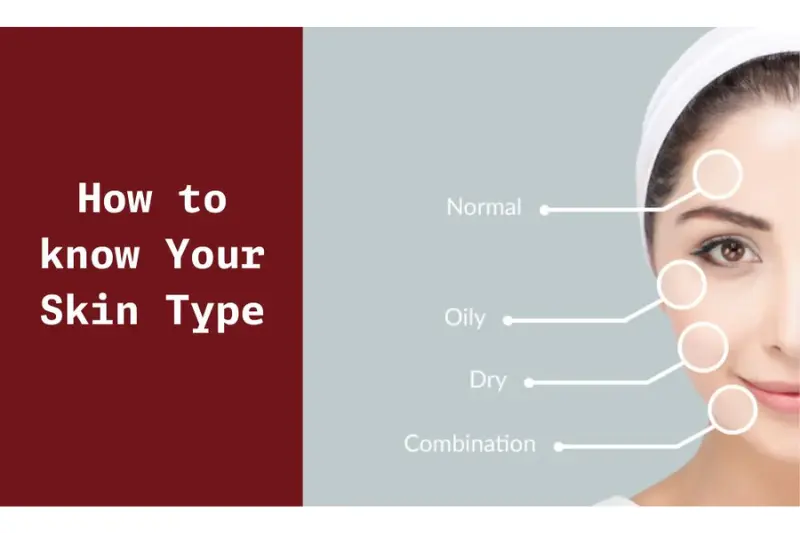
Before you start building your skincare routine, it’s important to know your skin type. This helps you choose the right products and avoid using anything that might irritate or harm your skin.
Here are the main skin types and how to identify them:
Oily Skin
- Shiny appearance, especially in the T-zone (forehead, nose, chin)
- Prone to acne, blackheads, and enlarged pores
- Feels greasy throughout the day
Dry Skin
- Feels tight, rough, or flaky
- May look dull or irritated
- Needs extra moisture to stay hydrated
Combination Skin
- Oily in some areas (usually the T-zone) and dry or normal in others
- Requires balancing products—lightweight in oily areas, richer in dry zones
Sensitive Skin
- Easily reacts to new products
- Can become red, itchy, or irritated
- Needs gentle, fragrance-free formulas
Normal Skin
- Balanced—neither too oily nor too dry
- Few blemishes or sensitivity issues
- Low maintenance but still benefits from a simple routine
Tip: If you’re not sure about your skin type, observe how your skin feels a few hours after cleansing without applying any products.
Step 1: Cleanser – Start With a Fresh Face
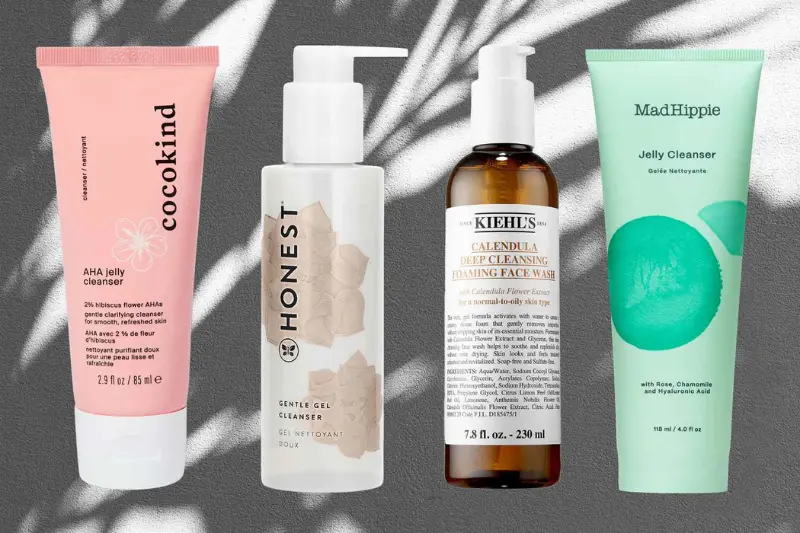
One of the most important steps in any skincare routine is cleansing. It helps remove dirt, oil, sweat, and makeup that build up on your skin throughout the day or while you sleep.
Using the right cleanser keeps your pores clean and prepares your skin for the next steps in your routine.
Why Cleansing Matters:
- Prevents breakouts and clogged pores
- Removes excess oil without stripping the skin
- Prepares your skin to better absorb serums and moisturizers
How to Cleanse Properly:
- Wet your face with lukewarm (not hot) water
- Apply a small amount of cleanser
- Gently massage in circular motions for 30–60 seconds
- Rinse thoroughly and pat your face dry with a clean towel
Choose the Right Cleanser for Your Skin Type:
- Oily skin: Use a foaming or gel cleanser to remove excess oil
- Dry skin: Go for a hydrating, creamy cleanser
- Sensitive skin: Use a fragrance-free, gentle cleanser
- Combination skin: Try a balanced, non-stripping cleanser
Tip: Avoid using harsh soaps or over-washing your face—they can dry out or irritate your skin.
Step 2: Toner – Balance and Prep Your Skin
After cleansing, your skin needs to be balanced and refreshed—and that’s where toner comes in. A good toner helps remove any leftover dirt or cleanser and prepares your skin to absorb serums and moisturizers more effectively.
What Does Toner Do?
- Restores your skin’s natural pH level
- Removes any remaining traces of makeup or oil
- Hydrates and smoothens the skin
- Prepares your skin to better absorb treatments
How to Use Toner:
- Pour a small amount onto a cotton pad or your hands
- Gently swipe or pat it over your face and neck
- Let it absorb before applying the next product
Choosing the Right Toner for Your Skin Type:
- Oily/Acne-Prone Skin: Look for toners with salicylic acid or witch hazel
- Dry/Sensitive Skin: Use alcohol-free, hydrating toners with ingredients like rose water or hyaluronic acid
- Normal/Combination Skin: Try a balancing toner with soothing ingredients like chamomile or green tea
- Tip: Avoid toners with alcohol if you have dry or sensitive skin—they can cause irritation and dryness.
Toner might seem like an extra step, but it can make a noticeable difference in how your skin looks and feels, especially when used consistently.
Step 3: Serum – Treat Specific Skin Concerns
Serums are the powerhouse of your skincare routine. They contain concentrated active ingredients designed to target specific skin concerns—like dryness, dark spots, fine lines, or acne.
Serums are lightweight, fast-absorbing, and go deep into the skin to deliver visible results over time.
What Serums Can Do:
- Hydrate dry skin
- Brighten dull or uneven skin tone
- Reduce fine lines and wrinkles
- Clear up acne or clogged pores
- Calm redness or irritation
Popular Types of Serums:
- Hyaluronic Acid: Deep hydration for all skin types
- Vitamin C: Brightens and evens out skin tone
- Niacinamide: Reduces oil, tightens pores, and fades dark spots
- Retinol (Vitamin A): Boosts collagen and smooths wrinkles (best used at night)
- Salicylic Acid: Helps treat acne and unclog pores
- Peptides or Ceramides: Strengthen skin barrier and improve texture
How to Use Serum:
- Apply 1–2 drops to clean, toned skin
- Gently pat (don’t rub) it in using your fingertips
- Let it absorb for a minute before applying moisturizer
Tip: Start with 1 serum based on your skin goal. You can layer multiple serums, but always follow product instructions and avoid mixing harsh actives.
Serums are all about results. With consistent use, they can significantly improve the health and appearance of your skin.
Step 4: Eye Cream – Care for the Delicate Eye Area
The skin around your eyes is thinner and more sensitive than the rest of your face. That’s why it needs special care. An eye cream is designed to hydrate, protect, and reduce common issues like puffiness, dark circles, and fine lines.
Why Use Eye Cream?
- Helps reduce under-eye puffiness and bags
- Fades dark circles over time
- Smooths out fine lines and crow’s feet
- Keeps the eye area hydrated and refreshed
Common Eye Cream Ingredients:
- Caffeine: Reduces puffiness and improves circulation
- Hyaluronic Acid: Deep hydration
- Peptides: Help with firmness and elasticity
- Vitamin C: Brightens dark circles
- Retinol (gentle formula): Reduces fine lines (best for night use)
How to Apply Eye Cream:
- Use your ring finger (it’s the weakest and gentlest)
- Dab a small amount under the eyes and around the outer corners
- Pat lightly—don’t rub or drag the skin
Tip: Use morning and night for best results, and store your eye cream in the fridge for a refreshing, de-puffing effect.
Even if you’re young, adding an eye cream to your routine helps keep your eye area looking bright and youthful for the long run.
Step 5: Moisturizer – Seal in All the Goodness
After applying your serum and eye cream, it’s time to lock in all the benefits with a moisturizer. Moisturizers help to hydrate your skin, maintain the skin barrier, and prevent moisture loss throughout the day or night.
Whether you have oily or dry skin, moisturizing is essential.
Why Moisturizer Matters:
- Keeps skin smooth, soft, and plump
- Prevents dryness, flaking, and irritation
- Helps your skin maintain its protective barrier
- Supports skin repair and improves texture
How to Choose the Right Moisturizer:
- Oily skin: Lightweight gel or oil-free moisturizers
- Dry skin: Rich, creamy moisturizers with ingredients like shea butter or ceramides
- Sensitive skin: Fragrance-free and gentle formulas
- Combination skin: Balanced, non-greasy formulas that hydrate without heaviness
How to Apply Moisturizer:
- Take a small amount and warm it between your hands
- Gently massage into your face and neck in upward motions
- Use it twice daily – once in the morning and once before bed
Tip: Apply moisturizer while your skin is still slightly damp to help lock in hydration more effectively.
Step 6: Sunscreen – The Most Important Daytime Step
If you only follow one skincare step during the day, make it sunscreen. It’s your skin’s best defense against harmful UV rays, which can cause sunburn, premature aging, dark spots, and even skin cancer.
Wearing sunscreen daily is the most effective way to protect and preserve your skin—regardless of the weather or your skin tone.
Why Sunscreen Is a Must:
- Shields skin from UVA and UVB rays
- Helps prevent wrinkles, fine lines, and age spots
- Reduces risk of skin cancer
- Protects the results of your other skincare steps
Types of Sunscreen:
- Mineral (Physical) Sunscreen: Contains zinc oxide or titanium dioxide; great for sensitive skin
- Chemical Sunscreen: Absorbs UV rays; often lighter and easier to wear under makeup
What to Look For:
- Broad-spectrum protection (UVA + UVB)
- SPF 30 or higher
- Water resistance (if you’re swimming or sweating)
How to Apply Sunscreen:
- Use as the last step in your morning skincare routine
- Apply about a nickel-sized amount for the face
- Don’t forget your neck, ears, and hands
- Reapply every 2 hours if you’re outside
Tip: Even on cloudy days or indoors near windows, UV rays can reach your skin—so make SPF a daily habit.
Optional But Helpful Add-ons to Your Skincare Routine
While your basic skincare routine covers cleansing, moisturizing, and protection, some optional steps can boost your skin’s health and appearance even more. These extras aren’t for daily use, but when used correctly, they can make a big difference.
Exfoliation (1–2 times a week)
Exfoliating removes dead skin cells, unclogs pores, and helps your products absorb better.
Types of exfoliants:
- Physical: Scrubs with fine grains (gentle only!)
- Chemical: AHAs (like glycolic acid) and BHAs (like salicylic acid) for deeper exfoliation
Tip: Avoid over-exfoliating—it can irritate your skin.
Face Masks (1–3 times a week)
Face masks provide a quick boost depending on your skin’s needs.
Types of masks:
- Clay masks: Absorb oil and unclog pores (great for oily skin)
- Hydrating masks: Add moisture and soothe (perfect for dry/sensitive skin)
- Sheet masks: Easy, mess-free hydration and brightening
Tip: Use masks after cleansing and before moisturizing.
Spot Treatments
Spot treatments are targeted products for breakouts or blemishes. They usually contain ingredients like:
- Salicylic acid
- Benzoyl peroxide
- Tea tree oil
Apply directly on the pimple after cleansing and before moisturizer.
Tip: Don’t overuse—just apply to problem areas.
Common Skincare Mistakes to Avoid
Even with the best intentions, simple skincare mistakes can lead to breakouts, irritation, or dull-looking skin. Avoiding these common errors can help you get better results from your routine.
Skipping Sunscreen
Sunscreen is not optional. Skipping it can lead to premature aging, sunburn, and long-term skin damage—even on cloudy days or indoors near windows.
- Fix: Make sunscreen your daily habit, all year round.
Using Harsh or Wrong Products
Using products not suited to your skin type (like alcohol-heavy toners on dry skin) can cause redness, irritation, or breakouts.
- Fix: Always choose gentle, skin-type-appropriate products.
Over-Exfoliating
Scrubbing your skin too often or too harshly strips away natural oils and weakens your skin barrier.
- Fix: Limit exfoliation to 1–2 times per week and be gentle.
Not Removing Makeup Properly
Sleeping with makeup can clog pores, cause breakouts, and dull your complexion.
- Fix: Double cleanse if needed—use micellar water or an oil-based cleanser before your regular face wash.
Inconsistent Routine
Using skincare only occasionally won’t deliver results.
- Fix: Stick to your routine daily—morning and night—for best outcomes.
Layering Incompatible Ingredients
Some active ingredients (like retinol and vitamin C) can irritate the skin when used together.
- Fix: Learn which ingredients to use together and which to separate—when in doubt, keep it simple.
How to Build a Skincare Routine That Works for You
Creating a skincare routine doesn’t have to be overwhelming. The key is to start simple, be consistent, and add products gradually based on your skin’s needs. Here’s a step-by-step guide to help you build a routine that works just for you.
Step 1: Start with the Basics
- Begin with just three essential steps:
- Cleanser – to clean your skin
- Moisturizer – to keep your skin hydrated
- Sunscreen (morning only) – to protect from sun damage
Tip: Stick to this simple routine for a few weeks to let your skin adjust.
Step 2: Identify Your Skin Concerns
- Once your skin feels balanced, ask yourself:
- Do I want to fade dark spots?
- Control oil and acne?
- Hydrate dry patches?
- Reduce fine lines?
This will help you decide which serum or treatment to add next.
Step 3: Introduce One New Product at a Time
- Don’t add too many products at once. If your skin reacts badly, you won’t know which one caused it.
Tip: Test one new product at a time and give it at least 2–3 weeks before judging the results.
Step 4: Use Products in the Right Order
- A good rule to follow:
- Light to heavy texture.
- Cleanser
- Toner
- Serum
- Eye Cream
- Moisturizer
- Sunscreen (morning)
Step 5: Be Patient and Consistent
- Skincare takes time. Results don’t appear overnight—but with regular care, your skin will improve and feel healthier over time.
Tip: Take progress pictures once a month to see changes more clearly.
Final Thoughts: Healthy Skin Takes Time and Consistency
Great skin isn’t about perfection—it’s about care, patience, and consistency. Your skincare routine doesn’t need to be complicated or expensive. What matters most is doing the right steps daily and using products that suit your unique skin.
It’s okay to start small. A simple routine of cleansing, moisturizing, and protecting with sunscreen can make a huge difference over time. As your skin improves or your needs change, you can gradually introduce serums, exfoliants, and other treatments.
Also remember:
- Everyone’s skin is different—what works for someone else might not work for you
- Always patch test new products
- Drink plenty of water and maintain a healthy lifestyle for overall skin health
The real secret to healthy skin is sticking with your routine. Show your skin a little love every day, and it will reward you with a natural, healthy glow.
You May Also Like It:
Tesamorelin: Benefits, Uses & Side Effects Guide
Prednisona: usos, efectos y cómo tomarla
Gabapentina 300 mg: qué es y para qué sirve
Phenol Peel – Deep Skin Treatment That Works
Testicular Calcium – Causes, Diagnosis and Care
