

Introduction
Poor blood circulation is a common issue that can affect anyone, especially as we age or develop certain health conditions. When blood flow is restricted, tissues and organs may not receive enough oxygen and nutrients, leading to symptoms like fatigue, cold hands and feet, swelling, and even more serious complications such as blood clots or cardiovascular problems. Fortunately, there are medical solutions designed to improve circulation, and one of the most effective is pentoxifylline. This medication works by enhancing the flow of blood through the smallest vessels, helping oxygen and nutrients reach every part of the body more efficiently. Understanding and improving your blood flow isn’t just about treating discomfort—it’s about protecting your long-term health. Better circulation supports energy levels, organ function, and overall wellness. By learning how pentoxifylline works and how it can be integrated into a healthy lifestyle, you can take meaningful steps toward stronger vascular health.
What Is Pentoxifylline?
You May Also Like It:
Tesamorelin: Benefits, Uses & Side Effects Guide
Prednisona: usos, efectos y cómo tomarla
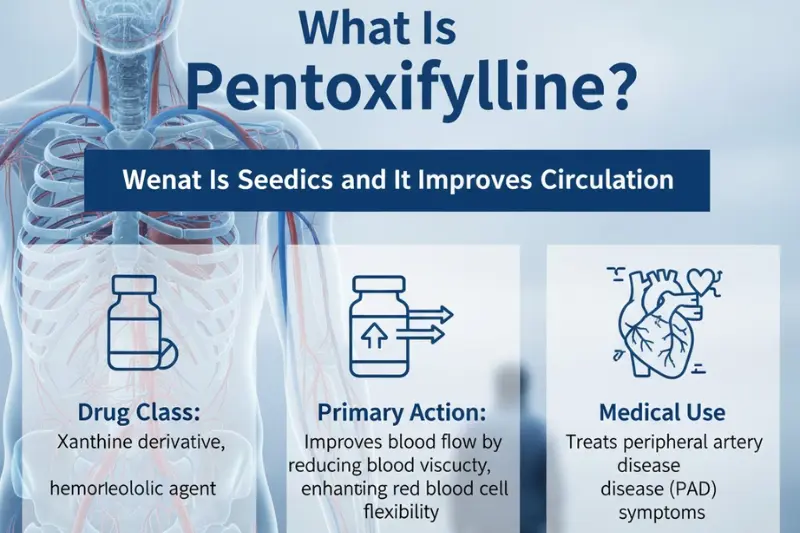
Pentoxifylline is a medication primarily used to improve blood circulation. Unlike typical blood thinners, it doesn’t directly dissolve clots. Instead, it works by making red blood cells more flexible, which allows them to travel more easily through small blood vessels. This improved blood flow ensures that tissues and organs receive the oxygen and nutrients they need to function properly.
This medication is often prescribed for people with circulation problems such as peripheral artery disease, chronic venous insufficiency, or complications related to diabetes. By enhancing blood flow, pentoxifylline can reduce symptoms like pain, swelling, and numbness in the extremities, improving both comfort and quality of life.
What makes pentoxifylline particularly effective is its dual action: it not only supports better circulation but may also reduce inflammation and oxidative stress in blood vessels. This combination helps protect the cardiovascular system while addressing the root cause of poor blood flow.
Understanding how pentoxifylline works provides a clear picture of why it’s a valuable tool for improving vascular health and why integrating it with healthy habits can make a significant difference.
How Pentoxifylline Works in the Body
Understanding how pentoxifylline works can help you see why it’s effective for improving circulation and supporting vascular health. Its benefits go beyond simple blood flow, targeting multiple aspects of the circulatory system.
Improves Red Blood Cell Flexibility
Red blood cells must squeeze through tiny blood vessels to deliver oxygen efficiently. Pentoxifylline makes these cells more flexible, allowing them to move smoothly through narrow capillaries. This reduces the risk of blockages and ensures that vital organs and tissues receive the oxygen they need.
Reduces Blood Viscosity
Thicker blood flows less efficiently, increasing the risk of circulation problems. Pentoxifylline helps lower blood viscosity, making it easier for blood to travel throughout the body. This smoother flow can help relieve symptoms like fatigue, cold extremities, and swelling.
Enhances Microcirculation
Microcirculation refers to the circulation in the smallest blood vessels that supply oxygen and nutrients to tissues. By improving microcirculation, pentoxifylline ensures that even the tiniest capillaries function effectively, supporting overall organ health and tissue repair.
Anti-inflammatory and Antioxidant Effects
Studies suggest that pentoxifylline also has anti-inflammatory and antioxidant properties. By reducing inflammation in blood vessels and protecting against oxidative damage, it helps maintain the health and integrity of the circulatory system. This dual action makes it particularly valuable for people with chronic circulation issues.
Who Can Benefit from Pentoxifylline
Pentoxifylline is most commonly recommended for individuals experiencing poor circulation, particularly in the extremities. Its unique ability to improve blood flow makes it suitable for several conditions:
- Peripheral Artery Disease (PAD): People with narrowed or blocked arteries in the legs often experience pain, cramping, or numbness. Pentoxifylline can help improve blood flow and reduce these symptoms.
- Chronic Venous Insufficiency: When veins struggle to return blood efficiently to the heart, it can lead to swelling, discomfort, and skin changes. Pentoxifylline supports circulation and may ease these symptoms.
- Diabetes-related Circulation Issues: Diabetes can damage blood vessels and reduce blood flow to the extremities. Pentoxifylline helps improve microcirculation, supporting tissue health and reducing complications.
- Other Circulatory Challenges: In some cases, doctors may recommend pentoxifylline for patients with inflammation or oxidative stress affecting blood vessels.
While pentoxifylline is effective for many people, it’s important to remember that results vary depending on the severity of the circulation problem and individual health factors. Consulting a healthcare professional is essential to determine if pentoxifylline is the right option.
Integrating Pentoxifylline with a Healthy Lifestyle
While pentoxifylline is effective on its own, combining it with healthy habits can significantly enhance its benefits and improve overall circulation. Here’s how you can make the most of your treatment:
Eat a Circulation-Friendly Diet
A balanced diet rich in fruits, vegetables, whole grains, and healthy fats can support vascular health. Foods high in antioxidants, like berries, leafy greens, and nuts, help protect blood vessels from oxidative damage. Staying hydrated is also crucial for smooth blood flow.
Stay Physically Active
Regular exercise stimulates blood circulation and strengthens the cardiovascular system. Activities such as walking, swimming, cycling, or even light stretching can improve blood flow to the extremities and enhance oxygen delivery to tissues.
Manage Risk Factors
Controlling factors like high blood pressure, elevated cholesterol, and high blood sugar is essential. These conditions can worsen poor circulation, so monitoring them alongside pentoxifylline use ensures better results.
Avoid Smoking and Other Circulation Hazards
Smoking and excessive alcohol consumption constrict blood vessels and reduce circulation efficiency. Avoiding these habits can complement the effects of pentoxifylline and protect vascular health.
Follow Medical Advice
Always take pentoxifylline as prescribed, and consult your doctor about any other medications or supplements you are using. Proper medical guidance ensures maximum safety and effectiveness.
By combining medication with lifestyle changes, you not only improve blood flow but also enhance long-term vascular health and overall wellness.
Side Effects and Precautions
You May Also Like It:
Gabapentina 300 mg: qué es y para qué sirve
Phenol Peel – Deep Skin Treatment That Works

Pentoxifylline is generally well-tolerated, but like any medication, it can cause side effects in some people. Being aware of potential reactions and following precautions ensures safe use.
Common Side Effects
Most side effects are mild and temporary, including:
- Nausea or upset stomach
- Headache
- Dizziness
- Mild gastrointestinal discomfort
These effects often resolve as the body adjusts to the medication. Taking pentoxifylline with food may help reduce stomach upset.
Precautions
- Consult Your Doctor: Before starting pentoxifylline, discuss your full medical history, especially if you have heart disease, bleeding disorders, or kidney issues.
- Medication Interactions: Pentoxifylline can interact with certain drugs, particularly anticoagulants or other cardiovascular medications. Always follow your doctor’s guidance.
- Pregnancy and Breastfeeding: The safety of pentoxifylline during pregnancy or breastfeeding should be evaluated by a healthcare professional.
When to Seek Medical Attention
If you experience severe dizziness, unusual bleeding, or allergic reactions such as rash or swelling, contact your doctor immediately.
By understanding the potential side effects and taking the proper precautions, you can safely benefit from pentoxifylline while minimizing risks.
Interesting Facts About Pentoxifylline
Pentoxifylline is more than just a circulation-improving medication—it has an interesting background and additional benefits that make it stand out.
Originally Developed for Other Uses
Pentoxifylline was initially developed to treat various conditions unrelated to circulation. Over time, researchers discovered its unique ability to improve blood flow, making it a valuable tool for vascular health.
Supports Multiple Aspects of Vascular Health
Besides enhancing circulation, pentoxifylline may reduce inflammation and oxidative stress in blood vessels. These effects help protect the cardiovascular system and contribute to long-term vascular wellness.
Versatility in Medical Use
Doctors sometimes use pentoxifylline for other health issues involving microcirculation and inflammation. Its ability to target multiple pathways in the circulatory system makes it a versatile and trusted option.
Backed by Research
Numerous studies support pentoxifylline’s effectiveness in improving blood flow, particularly for conditions like peripheral artery disease and chronic venous insufficiency. This evidence-based approach makes it a reliable choice for both patients and healthcare providers.
Understanding these facts helps readers appreciate why pentoxifylline is widely prescribed and how it fits into modern circulatory care.
FAQs About Pentoxifylline
Does pentoxifylline thin the blood?
Not exactly. Pentoxifylline does not act as a traditional blood thinner. Instead, it improves blood flow by making red blood cells more flexible, allowing them to move easily through small blood vessels.
How long does it take to see results?
Many people notice improvements in circulation within a few weeks of consistent use, though results can vary depending on the severity of the circulation problem and individual health factors.
Can pentoxifylline be used with other medications?
Yes, but it should only be taken under medical supervision. It may interact with anticoagulants or other cardiovascular medications, so your doctor should monitor your treatment.
Is pentoxifylline safe for everyone?
While generally safe, pentoxifylline may not be suitable for people with certain conditions, such as severe heart problems or bleeding disorders. A healthcare professional should evaluate your suitability before starting.
What is the usual dosage?
The typical adult dosage is 400 mg, taken 2–3 times daily. However, the exact dosage should always be determined by a doctor based on individual needs and medical conditions.
Are there any side effects to watch for?
Mild side effects can include nausea, headache, dizziness, or mild gastrointestinal discomfort. Seek medical advice if you experience severe reactions like unusual bleeding, rash, or swelling.
Conclusion
Pentoxifylline is a proven and effective medication for improving blood circulation and supporting overall vascular health. By enhancing red blood cell flexibility, reducing blood viscosity, and improving microcirculation, it helps relieve symptoms of poor circulation such as fatigue, swelling, and discomfort in the extremities. However, pentoxifylline works best when combined with a healthy lifestyle. Eating a balanced diet, staying active, managing risk factors like high blood pressure and cholesterol, and avoiding habits that harm circulation all enhance the medication’s effectiveness. Whether you are dealing with peripheral artery disease, chronic venous insufficiency, or diabetes-related circulation issues, understanding how pentoxifylline works can empower you to take an active role in your vascular health. Always consult your healthcare provider to ensure safe and effective use, and consider lifestyle changes as a complement to your treatment. Taking these steps can improve not only blood flow but also your overall quality of life, making pentoxifylline a valuable part of a comprehensive approach to circulatory wellness.
You May Also Like It:
Tesamorelin: Benefits, Uses & Side Effects Guide
Prednisona: usos, efectos y cómo tomarla
Gabapentina 300 mg: qué es y para qué sirve
Phenol Peel – Deep Skin Treatment That Works
Testicular Calcium – Causes, Diagnosis and Care
