
Introduction
Colchicina (Colchicine) is a well-known medication widely used for managing inflammatory conditions, especially gout and certain types of arthritis. This comprehensive guide explains what colchicina is, how it works, its correct usage, potential side effects, and important precautions. If you’re planning a medical or health-related blog post, this article will work perfectly with helpful subheadings and reader-friendly information.
What Is Colchicina?
You May Also Like It:
Tesamorelin: Benefits, Uses & Side Effects Guide
Prednisona: usos, efectos y cómo tomarla
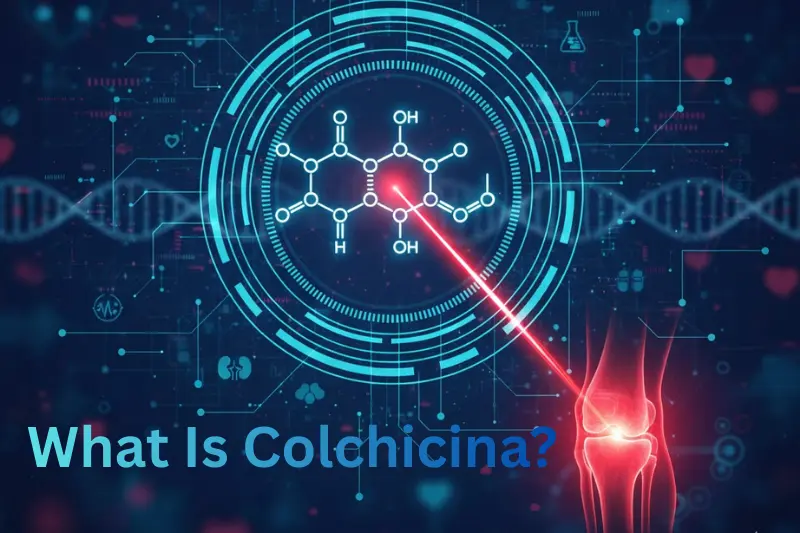
Colchicina, also known as colchicine, is a prescription anti-inflammatory medication derived from the plant Colchicum autumnale (autumn crocus). It has been used for centuries to treat joint swelling and pain.
Today, it is primarily used to treat:
- Gout attacks
- Familial Mediterranean Fever (FMF)
- Pericarditis (heart inflammation)
- Behçet’s disease
- Certain liver or skin inflammatory conditions under medical direction
Colchicina is not a general painkiller. It works best for inflammation caused by crystal buildup or immune system reactions.
How Colchicina Works
Colchicina reduces inflammation by targeting a process called microtubule polymerization, which slows the movement of inflammatory cells. This helps relieve swelling, redness, and pain during inflammatory attacks.
Its unique mechanism makes it especially effective in conditions like gout, where uric acid crystals trigger intense inflammation.
Medical Uses of Colchicina
Gout (Acute Attacks & Prevention)
Colchicina is commonly used during sudden gout flare-ups.
It helps reduce joint pain and swelling quickly when taken within 24 hours of symptoms.
Doctors also prescribe low daily doses to prevent future attacks.
Familial Mediterranean Fever (FMF)
People with FMF experience repeated episodes of fever and abdominal pain. Colchicina helps prevent attacks and reduce complications like amyloidosis.
Pericarditis
Colchicina is often combined with NSAIDs to treat inflammation of the heart lining. It reduces symptoms and prevents recurrence.
Behçet’s Disease
Used to control joint pain, skin lesions, and inflammation.
Off-Label Uses
Doctors may prescribe colchicina for:
- Primary biliary cholangitis
- Dermatologic inflammatory disorders
- Recurrent aphthous ulcers
(Always under medical supervision)
Recommended Dosage (General Guidelines)
Dosage varies depending on the condition and the patient’s health. Always follow a doctor’s prescription.
For Acute Gout Attack
- 1.2 mg first, followed by 0.6 mg after 1 hour
- Maximum dose is typically 1.8 mg in 1 day
For Gout Prevention
- 0.6 mg once or twice daily
For FMF
- 1–2 mg daily, depending on age and weight
For Pericarditis
- 0.5–0.6 mg once or twice daily, often for several months
Doses may be reduced for elderly patients or those with kidney/liver impairment.
Possible Side Effects of Colchicina
You May Also Like It:
Gabapentina 300 mg: qué es y para qué sirve
Phenol Peel – Deep Skin Treatment That Works
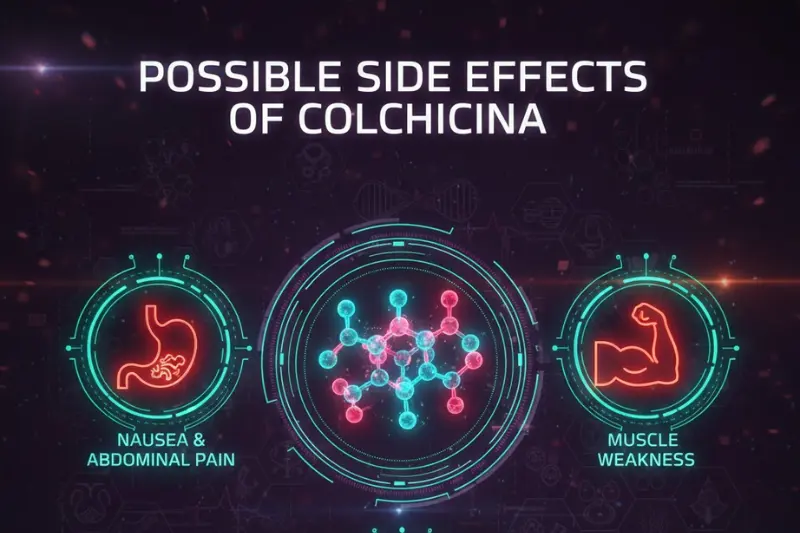
Like all medications, colchicina may cause side effects. The most common include:
Common Side Effects
- Stomach cramps
- Diarrhea
- Nausea or vomiting
- Fatigue
- Loss of appetite
Serious Side Effects (Seek Immediate Medical Help)
- Muscle pain or weakness
- Numbness or tingling
- Severe diarrhea or vomiting
- Unusual bleeding or bruising
- Signs of infection (fever, sore throat)
- Kidney or liver problems
Long-term or high-dose use increases the risk of toxicity.
Drug Interactions
Colchicina interacts with many medications, including:
- Certain antibiotics (clarithromycin, erythromycin)
- Antifungal drugs
- Heart medications like verapamil or diltiazem
- Statins (risk of muscle damage)
- Immunosuppressants (cyclosporine)
Always inform your doctor about all medicines you take.
Who Should Avoid Colchicina?
Colchicina is not recommended for:
- People with severe liver or kidney disease
- Pregnant or breastfeeding women (unless advised by a doctor)
- Individuals with blood disorders
- Those taking strong CYP3A4 or P-gp inhibitors
How to Use Colchicina Safely
- Take only the prescribed dose
- Avoid grapefruit juice (increases drug levels)
- Stay hydrated
- Do not self-medicate during gout attacks without guidance
- Report any unusual symptoms to your doctor
Benefits of Colchicina
- Fast relief during gout attacks
- Reduces frequency of flare-ups
- Helpful in long-term management of FMF & pericarditis
- Non-steroidal option for inflammation
- Effective even at low doses
Conclusion
Colchicina is a powerful and effective medication that plays an important role in managing inflammatory conditions like gout, FMF, and pericarditis. When used correctly under medical supervision, it provides significant relief and helps prevent future flare-ups. However, due to its potential side effects and interactions, it must always be used with caution and proper dosage.
If you are writing a health-focused blog, this article offers solid medical insights while staying user-friendly and understandable for general readers.
You May Also Like It:
Tesamorelin: Benefits, Uses & Side Effects Guide
Prednisona: usos, efectos y cómo tomarla
Gabapentina 300 mg: qué es y para qué sirve
Phenol Peel – Deep Skin Treatment That Works
Testicular Calcium – Causes, Diagnosis and Care
