
Introduction
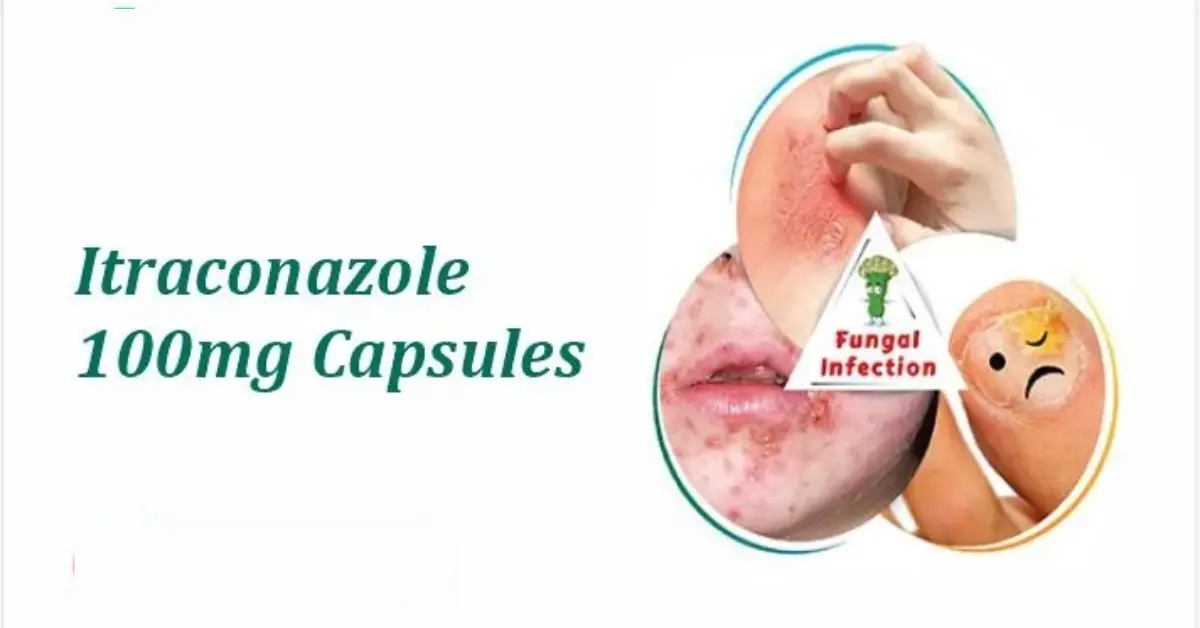
Itraconazol is a powerful antifungal medication widely used to treat a variety of fungal infections affecting the skin, nails, lungs, and internal organs. It is commonly prescribed when standard antifungal treatments fail or when a deeper, systemic infection needs strong therapy.
This article explains everything you need to know — how itraconazol works, its benefits, recommended dosage, side effects, precautions, and when to avoid it.
What Is Itraconazol?
You May Also Like It:
Tesamorelin: Benefits, Uses & Side Effects Guide
Prednisona: usos, efectos y cómo tomarla
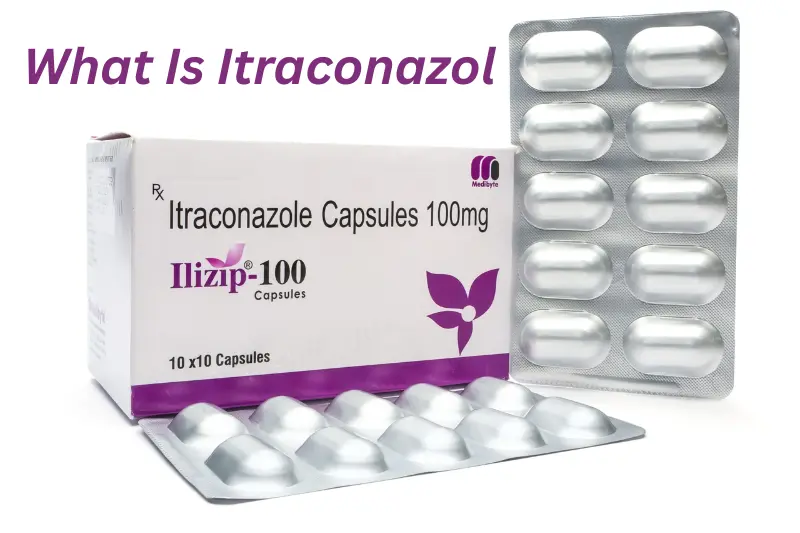
Itraconazol (also written as Itraconazole) is an antifungal medicine belonging to the triazole class.
It works by blocking the growth of fungi, weakening their cell structure, and preventing them from multiplying.
Doctors prescribe it for infections caused by yeasts, molds, dermatophytes, and other stubborn fungi.
How Itraconazol Works
Itraconazol targets fungal cell membranes by inhibiting the production of ergosterol, a vital component fungi need to survive.
Without ergosterol, fungal cells collapse and the infection gradually clears.
Common Uses of Itraconazol
Itraconazol is commonly used to treat:
Skin Fungal Infections
- Ringworm
- Tinea pedis (athlete’s foot)
- Tinea corporis
- Tinea cruris (jock itch)
Nail Infections (Onychomycosis)
Itraconazol is one of the most effective oral treatments for fungal nail infections, especially when topical creams fail.
Yeast Infections
Such as:
- Oral thrush
- Esophageal candidiasis
Deep & Systemic Fungal Infections
Used in severe infections like:
- Histoplasmosis
- Blastomycosis
- Aspergillosis
- Cryptococcosis
These require medical supervision due to the strong nature of the drug.
Itraconazol Dosage Guide
(Always follow your doctor’s prescription; do not self-medicate.)
For Skin Infections
- 100 mg once daily for 2–4 weeks
For Nail Fungus
Two methods are common:
Pulse Therapy
- 200 mg twice daily for 1 week, then
- 3 weeks break
- Repeat up to 3–4 cycles
Continuous Therapy
- 200 mg daily for 3 months
For Deep Fungal Infections
- 200–400 mg daily
- Duration may range from months to a year, depending on severity.
How to Take It
- Preferably after a full meal
- Capsules must not be crushed or chewed
- Liquid form is taken on an empty stomach
How Long Does Itraconazol Take to Work?
You May Also Like It:
Gabapentina 300 mg: qué es y para qué sirve
Phenol Peel – Deep Skin Treatment That Works
- Skin infections: 1–4 weeks
- Nail infections: 3–6 months (full results appear as new nail grows)
- Systemic infections: Varies based on severity
Benefits of Itraconazol
- Treats both superficial and severe fungal infections
- Works when many other antifungals fail
- Effective against a wide range of fungi
- Suitable for long-term treatment
Possible Side Effects
Most people tolerate itraconazol well, but side effects may include:
Common:
- Headache
- Stomach discomfort
- Nausea
- Mild rash
Less Common (but serious):
- Liver damage
- Heart failure symptoms
- Numbness or tingling
- Severe allergic reactions
Seek medical help immediately if you notice yellowing of skin/eyes, dark urine, breathing difficulty, or swelling.
Precautions Before Using Itraconazol
Avoid if You Have:
- Liver disease
- Heart failure
- Kidney disease
- Pregnancy or breastfeeding (unless approved by doctor)
Drug Interactions
Itraconazol interacts with:
- Blood pressure medications
- Some antibiotics
- Cholesterol medicines
- Antacids (reduce absorption)
- Steroids
- Blood thinners
- Allergy medications
Always inform your doctor about all medicines you are taking.
Itraconazol vs Other Antifungals
Compared to fluconazole or terbinafine:
| Feature | Itraconazol | Others |
|---|---|---|
| Works on deep infections | Yes | Limited |
| Effective for nail fungus | Strong | Moderate |
| Broad antifungal range | Large | Depends |
| More drug interactions | Yes | Less |
Itraconazol is stronger but must be used carefully.
Who Should Not Use Itraconazol?
- Pregnant women
- Patients with severe heart or liver conditions
- People taking contraindicated medications
- Anyone without a doctor’s prescription
Itraconazol is not an over-the-counter medicine.
Conclusion
Itraconazol is one of the most powerful antifungal medicines available today. It effectively treats stubborn skin infections, nail fungus, yeast infections, and deep fungal diseases. However, due to strong interactions and side effects, it should be used only under medical supervision.
If taken correctly, itraconazol offers excellent results and long-lasting fungal control.
You May Also Like It:
Tesamorelin: Benefits, Uses & Side Effects Guide
Prednisona: usos, efectos y cómo tomarla
Gabapentina 300 mg: qué es y para qué sirve
Phenol Peel – Deep Skin Treatment That Works
Testicular Calcium – Causes, Diagnosis and Care
