
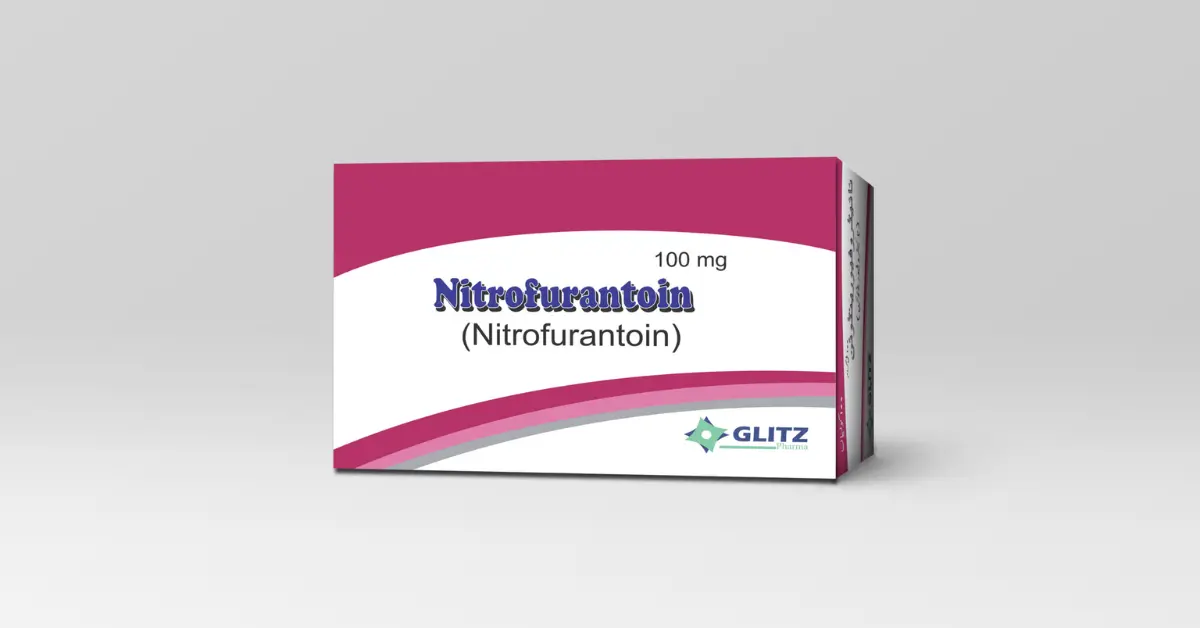
Introduction
When dealing with urinary tract infections (UTIs), finding the right antibiotic can make the difference between rapid relief and recurring discomfort. Nitrofurantoin is one of the most commonly prescribed antibiotics for uncomplicated UTIs, especially in women. Known for its targeted action on the urinary tract, it is often considered a first-line therapy in both acute and preventive treatment.
In this comprehensive guide, we’ll cover everything you need to know about nitrofurantoin, including:
- What nitrofurantoin is and how it works
- When nitrofurantoin 100 mg is prescribed
- Correct dosage and treatment guidelines
- Possible side effects and safety considerations
- Alternatives, FAQs, and practical advice
By the end, you’ll have a clear, evidence-based understanding of this antibiotic and whether it may be suitable for your situation.
What is Nitrofurantoin?
You May Also Like It:
Tesamorelin: Benefits, Uses & Side Effects Guide
Prednisona: usos, efectos y cómo tomarla
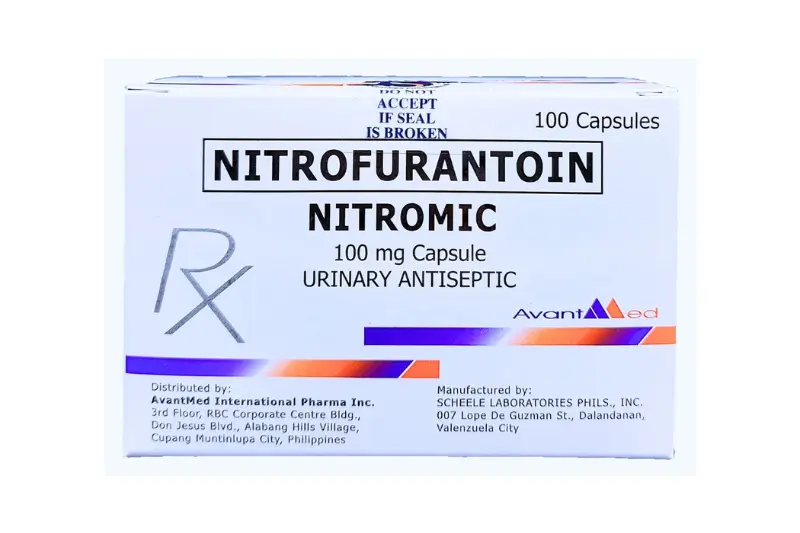
Nitrofurantoin is a synthetic, broad-spectrum antibiotic that belongs to the nitrofuran class. It is primarily used to treat urinary tract infections caused by susceptible bacteria such as Escherichia coli, Enterococcus, Klebsiella, and Staphylococcus saprophyticus.
Unlike many other antibiotics, nitrofurantoin is concentrated almost entirely in the urine. This makes it highly effective for bladder infections but less useful for systemic infections or kidney infections (pyelonephritis).
Key characteristics:
- Drug class: Nitrofuran antibiotic
- Formulations: Capsules, tablets, liquid suspension
- Brand names: Macrobid®, Macrodantin®, Furadantin® (varies by region)
- Mode of action: Damages bacterial DNA, inhibiting growth and replication
Quick fact: Because nitrofurantoin targets bacteria in the urinary tract, it has a lower risk of promoting antibiotic resistance compared to broad-spectrum drugs like fluoroquinolones.
How Does Nitrofurantoin Work?
Nitrofurantoin works through a unique mechanism. Once ingested, it is absorbed in the gastrointestinal tract and excreted rapidly in the urine. Inside the bacterial cell, nitrofurantoin is reduced by bacterial enzymes into active compounds that attack bacterial DNA, proteins, and cell walls.
This multi-targeted action makes it difficult for bacteria to develop resistance, which is why nitrofurantoin remains effective even after decades of use.
- Onset of action: Many patients experience relief of UTI symptoms (burning urination, urgency, frequency) within 24–48 hours.
- Duration in urine: Maintains antibacterial concentrations for about 8–12 hours after each dose.
When is Nitrofurantoin Prescribed?
Nitrofurantoin is not a one-size-fits-all antibiotic. Doctors typically prescribe it in these scenarios:
- Acute uncomplicated cystitis (bladder infection): Most common indication.
- Recurrent urinary tract infections (UTI prophylaxis): Low-dose daily therapy to prevent infections.
- UTIs in women: Especially effective due to higher incidence of cystitis in females.
- Select cases in men: Though less common, it may be used for bladder infections without prostate involvement.
Not suitable for:
- Kidney infections (pyelonephritis)
- Systemic infections (does not achieve adequate blood levels)
- Severe renal impairment
Nitrofurantoin 100 mg: Dosage and Administration
The 100 mg formulation is the most widely prescribed, particularly in the form of nitrofurantoin monohydrate/macrocrystals (Macrobid®).
Standard Dosage Guidelines
Acute cystitis (adults):
- 100 mg every 12 hours for 5–7 days
Prophylaxis (prevention of recurrent UTIs):
- 50–100 mg once daily, usually at bedtime, for several months
Pediatric patients:
- Dose is adjusted by weight and typically avoided in infants <1 month
Administration Tips:
- Take with food or milk to improve absorption and reduce stomach upset
- Drink plenty of water to help flush bacteria from the urinary tract
- Complete the full course of therapy even if symptoms improve early
Table: Typical Nitrofurantoin Dosage
| Indication | Recommended Dose | Duration | Notes |
| Acute cystitis | 100 mg every 12 hrs | 5–7 days | Standard adult dose |
| Prophylaxis (recurrent UTIs) | 50–100 mg once daily | 3–6 months | Often bedtime |
| Children (>1 month) | 5–7 mg/kg/day divided doses | Variable | Weight-based dosing |
Who Should Not Take Nitrofurantoin? (Contraindications)
Nitrofurantoin is not safe for everyone. Contraindications include:
- Severe kidney disease: Reduced clearance may cause toxicity
- Late pregnancy (last 2–4 weeks): Risk of hemolytic anemia in newborns
- Infants under 1 month old
- Known hypersensitivity to nitrofurans
Caution advised in:
- Patients with chronic lung conditions (rare pulmonary side effects possible)
- Those with liver disease
- Elderly patients with reduced kidney function
Possible Side Effects of Nitrofurantoin
While many patients tolerate nitrofurantoin well, side effects can occur.
Common side effects (mild, often temporary):
- Nausea
- Loss of appetite
- Headache
- Diarrhea
Less common but serious side effects:
- Pulmonary reactions: Cough, shortness of breath, interstitial lung disease (rare, more common in long-term use)
- Liver toxicity: Hepatitis or liver enzyme elevation
- Peripheral neuropathy: Nerve damage, usually in patients with renal impairment
- Allergic reactions: Rash, fever, anaphylaxis (rare)
Important: Any difficulty breathing, persistent cough, or yellowing of the skin/eyes should prompt immediate medical evaluation.
Nitrofurantoin vs. Other Antibiotics for UTIs
How does nitrofurantoin compare to other commonly prescribed UTI antibiotics?
| Antibiotic | Typical Use | Pros | Cons |
| Nitrofurantoin | Uncomplicated cystitis | Targeted to urinary tract, low resistance rates | Not effective for kidney infections |
| Fosfomycin | Single-dose treatment of cystitis | Convenient, broad coverage | More expensive |
| Trimethoprim-sulfamethoxazole (TMP-SMX) | Cystitis & some systemic infections | Effective if no resistance | Rising resistance rates |
| Ciprofloxacin (fluoroquinolone) | Complicated UTIs, systemic infections | Broad coverage | Significant side effects, resistance concerns |
Key takeaway: Nitrofurantoin remains a first-line treatment for bladder infections, while other antibiotics are reserved for more severe or resistant cases.
Practical Advice for Patients
You May Also Like It:
Gabapentina 300 mg: qué es y para qué sirve
Phenol Peel – Deep Skin Treatment That Works

To maximize the effectiveness of nitrofurantoin:
- Take each dose with food.
- Do not stop early, even if symptoms improve.
- Stay hydrated to support urinary clearance.
- Avoid alcohol to minimize gastrointestinal strain.
- Inform your doctor about all medications you’re taking (possible interactions).
Frequently Asked Questions (FAQ)
How long does nitrofurantoin take to work?
Most patients notice symptom relief within 24–48 hours, but the full course must be completed.
Can nitrofurantoin 100 mg be used in pregnancy?
Yes, but with caution. It is generally safe in early and mid-pregnancy but should be avoided close to delivery.
Is nitrofurantoin effective against kidney infections?
No. It only works in the bladder and lower urinary tract, not in kidney tissue.
What happens if I miss a dose?
Take it as soon as possible, unless it’s almost time for your next dose. Do not double up.
Can nitrofurantoin be taken long-term?
Yes, at lower doses for UTI prevention. However, long-term use requires monitoring for liver and lung side effects.
Does nitrofurantoin interact with other medications?
It can interact with certain antacids, probenecid, and sulfinpyrazone. Always consult your doctor.
Conclusion
Nitrofurantoin remains one of the most effective and trusted antibiotics for treating uncomplicated urinary tract infections. Its targeted action in the urinary tract, combined with low resistance rates, makes it an important first-line therapy. The 100 mg formulation is widely prescribed for both acute treatment and long-term prevention in recurrent infections. However, like all medications, it should be used under medical supervision, with careful attention to dosage, contraindications, and possible side effects.
You May Also Like It:
Tesamorelin: Benefits, Uses & Side Effects Guide
Prednisona: usos, efectos y cómo tomarla
Gabapentina 300 mg: qué es y para qué sirve
Phenol Peel – Deep Skin Treatment That Works
Testicular Calcium – Causes, Diagnosis and Care
