
Introduction
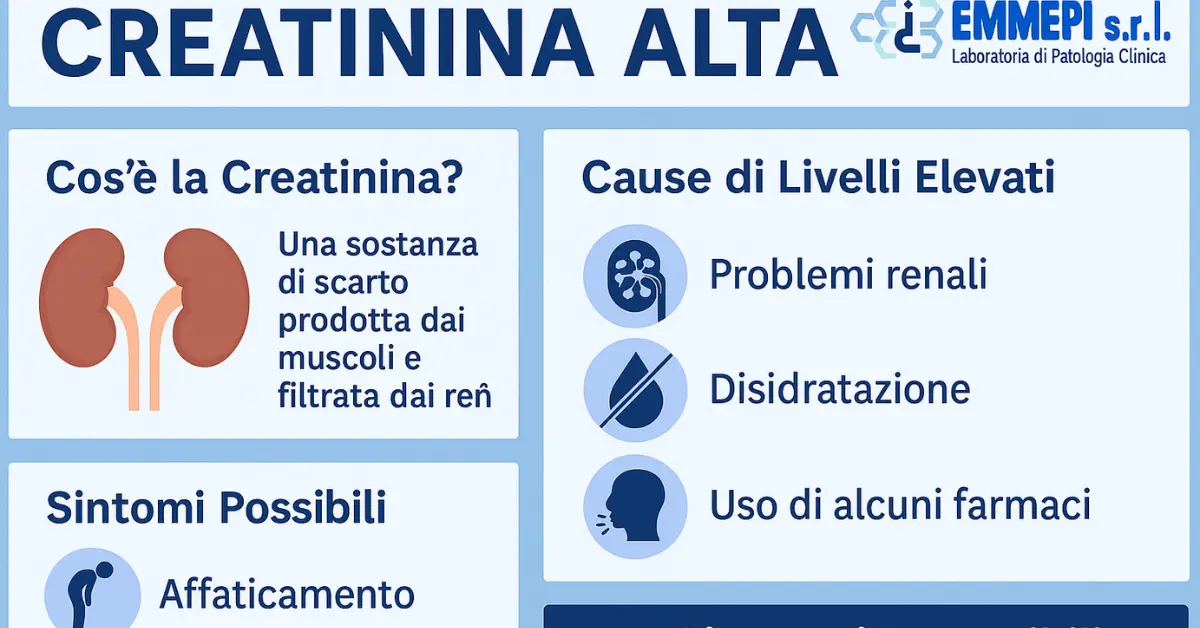
Ever noticed the word creatinine on a medical test report and wondered what it means? Don’t worry — you’re not alone. Many people see this term but never quite understand its importance. Simply put, creatinine is a waste product in your blood that tells how well your kidneys are doing their job. When your kidneys are healthy, they filter creatinine out easily. But when something’s off, serum creatinine levels start to rise, signaling that your kidneys might need attention. Understanding what creatinine means, how it’s tested, and what your levels reveal can help you take better control of your health.
What Is Creatinine? (Creatinine Meaning)
You May Also Like It:
Tesamorelin: Benefits, Uses & Side Effects Guide
Prednisona: usos, efectos y cómo tomarla
Let’s start simple.
Creatinine is a natural waste product formed when your muscles use creatine — a substance that helps supply them with energy. Your body produces creatinine at a steady rate, depending on your muscle mass.
Once formed, creatinine travels through your bloodstream to your kidneys, which filter it out through urine.
You can think of it like this:
- Muscles create energy from creatine.
- Creatinine is the leftover “waste.”
- The kidneys act like the body’s cleanup crew, flushing it out.
When the kidneys slow down or are under stress, creatinine begins to build up in the blood — a red flag for kidney health.
Why Is Creatinine Important?
Monitoring creatinine is one of the simplest and most effective ways to understand kidney function.
High levels can suggest that your kidneys aren’t filtering properly, while low levels might reflect loss of muscle mass or poor nutrition.
Doctors use creatinine as a baseline indicator to detect early signs of kidney problems before symptoms appear — which is why the creatinine test is part of most routine health checkups.
What Is a Serum Creatinine Test?
The serum creatinine test (also called s creatinine test) measures the amount of creatinine in your blood. “Serum” means the clear fluid part of your blood after clotting factors have been removed.
Why Doctors Recommend It
Doctors usually suggest this test to:
- Check kidney function in routine health exams
- Monitor chronic kidney disease (CKD)
- Track diabetes or hypertension-related kidney changes
- Evaluate effects of medications that impact the kidneys
How the Creatinine Test Works
The test itself is simple and quick.
- A blood sample is drawn from a vein in your arm.
- The sample is analyzed in a lab to measure creatinine concentration.
- Results are compared to standard ranges based on your age, gender, and body size.
Sometimes, doctors also order a 24-hour urine test to measure how much creatinine is being excreted — this gives a fuller picture of kidney performance.
Normal Creatinine Levels
Normal creatinine levels vary from person to person because muscle mass, gender, and diet all play a role.
Here’s a general reference chart:
| Category | Normal Range (mg/dL) |
|---|---|
| Adult Men | 0.7 – 1.3 |
| Adult Women | 0.6 – 1.1 |
| Teenagers | 0.5 – 1.0 |
| Children | 0.3 – 0.7 |
| Infants | 0.2 – 0.4 |
Note: Slight differences in reference ranges can occur between laboratories.
Causes of High Creatinine
When serum creatinine levels are higher than normal, it may indicate that your kidneys are not filtering blood efficiently. However, high levels can also be caused by other factors, not just kidney disease.
Common causes include:
- Chronic kidney disease (CKD)
- Dehydration, which reduces blood flow to kidneys
- High protein intake or protein supplements
- Medications that stress kidneys (like NSAIDs, antibiotics)
- Intense exercise causing temporary muscle breakdown
- Uncontrolled diabetes or high blood pressure
If your levels are high, your doctor may recommend further tests like eGFR (estimated glomerular filtration rate) or kidney imaging.
Causes of Low Creatinine
Low creatinine isn’t as common, but it can also provide useful information about overall health.
Possible causes include:
- Low muscle mass (in elderly or malnourished people)
- Liver disease, affecting creatine production
- Pregnancy, where blood volume dilutes creatinine
- Low-protein diets or malnutrition
Generally, low creatinine levels aren’t as concerning as high ones, but persistent low results should still be evaluated.
Symptoms of Abnormal Creatinine Levels
Creatinine itself doesn’t cause symptoms, but the underlying issue affecting it — especially kidney dysfunction — does. Watch for:
- Swelling in feet, hands, or face
- Fatigue or weakness
- Reduced or foamy urine output
- Nausea or vomiting
- Itchy or dry skin
- Muscle cramps
If you experience these symptoms alongside abnormal creatinine test results, medical attention is essential.
How to Lower High Creatinine Naturally
If your creatinine levels are high but kidney damage hasn’t progressed, you can take steps to support your kidneys naturally.
Here’s what helps:
- Stay well hydrated: Water helps flush out creatinine.
- Limit protein intake: Too much red meat or protein powder increases creatinine production.
- Avoid nephrotoxic drugs: Don’t self-medicate; always consult your doctor.
- Manage blood pressure and diabetes: Keep both under control to protect kidney function.
- Eat kidney-friendly foods: Apples, berries, cabbage, and cauliflower are great options.
- Get enough rest: Intense workouts can temporarily raise creatinine.
Creatinine and eGFR: The Connection
Your serum creatinine value is often used to calculate eGFR (estimated glomerular filtration rate) — a key marker for kidney health.
The formula factors in age, gender, and race to estimate how much blood your kidneys filter per minute.
eGFR levels and meaning:
- 90 or above: Normal function
- 60–89: Mildly decreased
- 30–59: Moderate loss
- Below 30: Severe kidney impairment
eGFR is more reliable than creatinine alone because it accounts for individual differences in body size and muscle mass.
Factors That Affect Creatinine Levels
Several natural factors can influence creatinine readings even in healthy people:
- Age: Older adults tend to have lower levels due to muscle loss.
- Gender: Men generally have higher creatinine due to more muscle mass.
- Diet: High meat consumption or supplements can raise levels.
- Exercise: Intense activity can cause short-term spikes.
- Body size: More muscle means more creatinine production.
Your doctor will interpret your creatinine test results considering all these variables.
When Should You Get a Creatinine Test?
Your doctor may recommend a creatinine test if you have:
- Swelling or unexplained fatigue
- Changes in urination frequency or color
- High blood pressure or diabetes
- A family history of kidney disease
- Regular use of painkillers or other kidney-impacting medications
Getting tested early allows for better treatment and management if any issue arises.
Preventing Kidney Problems and Managing Creatinine Levels
You May Also Like It:
Gabapentina 300 mg: qué es y para qué sirve
Phenol Peel – Deep Skin Treatment That Works
Taking care of your kidneys is easier than most people think. You can maintain healthy creatinine levels and strong kidneys by following these habits:
- Eat a balanced diet with moderate protein.
- Exercise regularly, but avoid overtraining.
- Stay hydrated, especially during hot weather.
- Avoid smoking and alcohol, as both affect kidney health.
- Manage weight and stress, both of which influence overall health.
- Schedule annual checkups if you’re over 40 or have risk factors like diabetes.
Prevention is always easier than treatment — and your kidneys will thank you for it.
Frequently Asked Questions (FAQs)
What is the normal range of serum creatinine?
For men, it’s typically 0.7–1.3 mg/dL; for women, 0.6–1.1 mg/dL. These values may vary slightly across laboratories.
What causes high creatinine levels?
Common causes include dehydration, kidney disease, excessive protein intake, or certain medications.
Can creatinine levels go back to normal?
Yes. If the cause is temporary (like dehydration or diet), levels usually normalize after treating the root cause.
Is the s creatinine test different from the serum creatinine test?
No, they’re the same test. The “s” simply stands for “serum.”
How often should I get a creatinine test?
Once a year is enough for healthy adults. People with diabetes, hypertension, or kidney conditions may need more frequent monitoring.
Can exercise affect creatinine levels?
Yes, intense workouts can temporarily increase levels due to muscle breakdown. It usually normalizes after rest.
Conclusion
In short, creatinine is more than just a lab number — it’s a crucial indicator of how well your kidneys are doing their job. Understanding your serum creatinine test results helps you stay informed and proactive about your health. By maintaining hydration, eating sensibly, and getting regular checkups, you can keep your kidneys strong and your creatinine levels stable. Remember, early awareness and small lifestyle changes can make a huge difference in long-term kidney health.
You May Also Like It:
Tesamorelin: Benefits, Uses & Side Effects Guide
Prednisona: usos, efectos y cómo tomarla
Gabapentina 300 mg: qué es y para qué sirve
Phenol Peel – Deep Skin Treatment That Works
Testicular Calcium – Causes, Diagnosis and Care
