

Introduction
If you’ve been prescribed Celebrex (generic name: celecoxib), chances are you’re dealing with arthritis pain, inflammation, or another chronic condition. Celebrex is widely used because it’s effective and often easier on the stomach compared to traditional pain relievers But like any medication, Celebrex side effects are something you should know about before starting treatment. Understanding these effects will help you make informed decisions, minimize risks, and work with your doctor for the safest outcome. In this guide, we’ll break down how celecoxib works, its uses, and the common and serious side effects—including some that are more likely in females.
What is Celebrex (Celecoxib)?
You May Also Like It:
Tesamorelin: Benefits, Uses & Side Effects Guide
Prednisona: usos, efectos y cómo tomarla
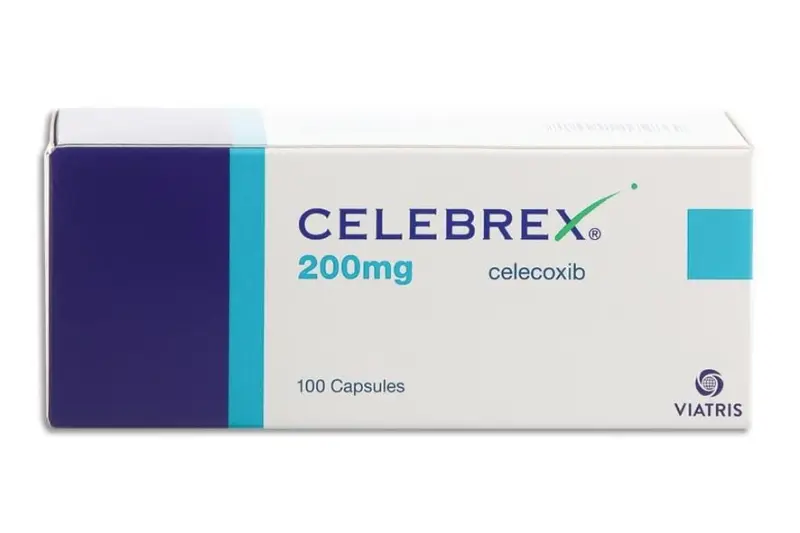
Celebrex is the brand name for celecoxib, a prescription drug that belongs to a class of medicine called COX-2 inhibitors. These are a special type of nonsteroidal anti-inflammatory drug (NSAID).
Unlike older NSAIDs such as ibuprofen or naproxen, celecoxib is designed to block COX-2 enzymes specifically—enzymes responsible for pain and inflammation. This makes it less likely to cause stomach ulcers compared to traditional NSAIDs.
Common Celebrex Uses
Doctors often prescribe Celebrex to manage:
- Osteoarthritis – to relieve joint pain and stiffness
- Rheumatoid arthritis – to reduce inflammation and swelling
- Ankylosing spondylitis – for spine-related pain
- Acute pain – such as injuries or post-surgery recovery
- Menstrual cramps (dysmenorrhea) – to ease painful periods
- Familial adenomatous polyposis (FAP) – a rare condition involving intestinal polyps
In short, Celebrex uses range from everyday arthritis relief to more specialized conditions.
How Celecoxib Works in the Body
To understand side effects, it helps to know how celecoxib works.
- COX-1 vs COX-2 enzymes: Traditional NSAIDs block both enzymes, which can protect the stomach lining but also lead to more GI irritation. Celecoxib mainly blocks COX-2, targeting inflammation while sparing much of the stomach lining.
- Prostaglandin reduction: By lowering prostaglandins (the chemicals that cause pain, swelling, and fever), Celebrex relieves symptoms effectively.
- Selectivity advantage: This COX-2 selectivity means less risk of stomach ulcers compared to older NSAIDs—but it can still affect the heart, kidneys, and other organs.
Common Celebrex Side Effects
Most people tolerate Celebrex fairly well, but some may experience mild side effects, especially when starting treatment.
Typical side effects include:
- Upset stomach or indigestion
- Gas, diarrhea, or constipation
- Dizziness or headache
- Swelling in the hands, legs, or feet (fluid retention)
- Skin rash or itching
These are often manageable and may fade as your body adjusts. Still, it’s important to track your symptoms and let your doctor know if they persist.
Serious Celebrex Side Effects You Shouldn’t Ignore
While mild effects are common, serious side effects can also occur. These need immediate medical attention:
- Heart risks: Increased chance of heart attack, stroke, and high blood pressure.
- Gastrointestinal bleeding: Ulcers, stomach bleeding, or intestinal perforation (though less common than with traditional NSAIDs).
- Kidney and liver damage: Symptoms include dark urine, yellowing skin/eyes (jaundice), or swelling.
- Severe allergic reactions: Difficulty breathing, swelling of the face or throat.
- Skin reactions: Rare but dangerous rashes like Stevens-Johnson syndrome.
Important: The longer you use Celebrex and the higher the dose, the more likely these risks become.
Celebrex Side Effects in Females
Women may face unique risks when taking Celebrex. Here are some points to note:
- Pregnancy: Celebrex should generally be avoided, especially in the third trimester, because it may harm the baby’s heart or kidneys.
- Breastfeeding: Celecoxib can pass into breast milk. Consult a doctor before use.
- Menstrual cycles: Some women report changes in menstrual flow or increased cramps with long-term use.
- Hormonal interactions: Celebrex may interact differently in women using hormonal birth control or hormone replacement therapy.
If you’re female, talk to your doctor about celebrex side effects in females specifically, as your treatment plan may need adjustments.
Who Should Avoid Celebrex?
Not everyone is a good candidate for Celebrex. You may need to avoid or use caution if you have:
- History of heart disease or stroke
- Stomach ulcers or history of GI bleeding
- Severe kidney or liver disease
- Asthma or severe allergies to NSAIDs
- Pregnancy (especially 3rd trimester)
Tips to Reduce the Risk of Side Effects
If you and your doctor decide Celebrex is right for you, here’s how to minimize risks:
- Use the lowest effective dose for the shortest duration.
- Take with food to reduce stomach upset.
- Stay hydrated to protect kidney function.
- Avoid alcohol and smoking, which can worsen side effects.
- Regular check-ups – blood pressure, kidney, and liver function should be monitored.
Table: Common vs. Serious Celebrex Side Effects
| Common (Mild) | Serious (Seek Medical Help) |
|---|---|
| Upset stomach | Heart attack or stroke |
| Gas, diarrhea | Stomach or intestinal bleeding |
| Headache, dizziness | Kidney or liver failure |
| Skin rash/itching | Severe allergic reaction |
| Fluid retention | Rare skin conditions (SJS) |
Alternatives to Celebrex
You May Also Like It:
Gabapentina 300 mg: qué es y para qué sirve
Phenol Peel – Deep Skin Treatment That Works
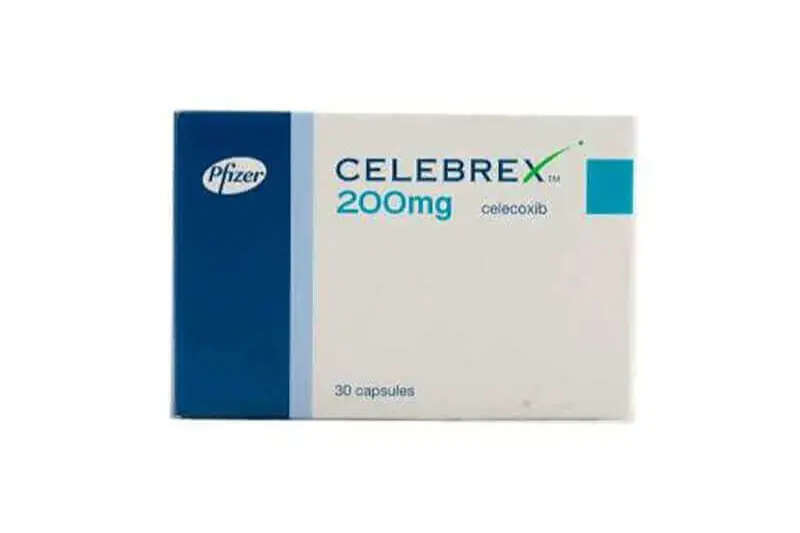
If you can’t tolerate Celebrex, your doctor may recommend alternatives such as:
- Other NSAIDs – ibuprofen, naproxen (though with higher GI risk)
- Acetaminophen – for pain without inflammation relief
- Topical NSAIDs – gels or creams for localized pain
- Lifestyle changes – exercise, weight management, physical therapy
- Other prescription options – depending on your condition
FAQs About Celebrex Side Effects
Does Celebrex cause weight gain?
Yes, in some cases, fluid retention from Celebrex can cause temporary weight gain or swelling.
How long do Celebrex side effects last?
Mild effects often improve within a few days to weeks. Serious side effects may require stopping the drug immediately.
Is Celebrex safer than ibuprofen?
Celebrex has a lower risk of stomach ulcers but a similar or higher risk for heart problems compared to ibuprofen.
Can you take Celebrex every day?
Yes, but only under medical supervision. Long-term daily use increases the risk of heart, kidney, and liver issues.
Are Celebrex side effects in females different than in males?
Generally, most side effects are the same. However, pregnancy, breastfeeding, and hormonal interactions make side effects more complex in women.
What should I do if I miss a dose of Celebrex?
Take it as soon as you remember unless it’s almost time for the next dose. Never double up doses.
Conclusion
Celebrex (celecoxib) is an effective pain and inflammation reliever, especially for arthritis and related conditions. However, Celebrex side effects—ranging from mild stomach upset to serious heart and kidney risks—make it essential to use this drug wisely. If you’re considering Celebrex, weigh the benefits vs. risks, discuss your health history with your doctor, and always monitor for unusual symptoms.
Bottom line: Celebrex can be life-changing for pain relief, but safety comes first. Work closely with your health care provider to ensure you get the best outcome.
You May Also Like It:
Tesamorelin: Benefits, Uses & Side Effects Guide
Prednisona: usos, efectos y cómo tomarla
Gabapentina 300 mg: qué es y para qué sirve
Phenol Peel – Deep Skin Treatment That Works
Testicular Calcium – Causes, Diagnosis and Care
