
Introduction
If you have ever wondered “para qué sirve la clorfenamina”, you are not alone. Allergies, colds, and flu are common conditions that can significantly affect daily life. Symptoms like sneezing, runny nose, congestion, itchy eyes, and mild fever can make it difficult to function normally. Clorfenamina compuesta is one of the most frequently used medications for managing these symptoms. It combines an antihistamine with additional components, helping to address multiple symptoms simultaneously. In this article, we will explore what clorfenamina compuesta is, how it works, its uses, recommended dosages, side effects, and important precautions so that you can make informed decisions about its use.
What Is Clorfenamina Compuesta?
What is Maalox Generic?
You May Also Like It:
Tesamorelin: Benefits, Uses & Side Effects Guide
Prednisona: usos, efectos y cómo tomarla

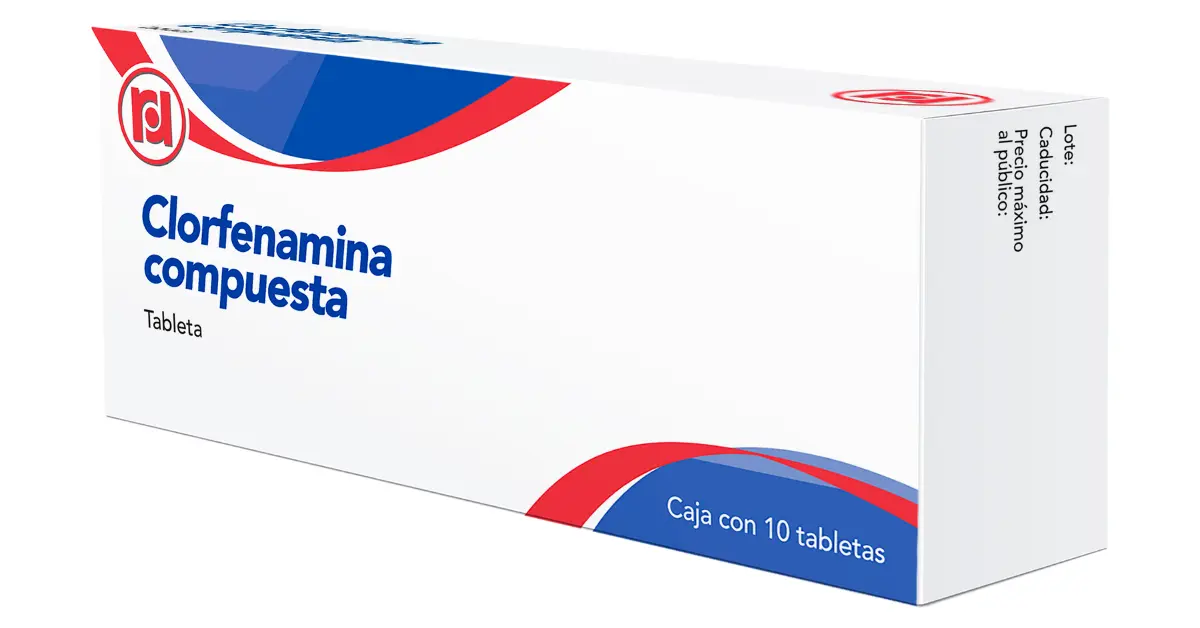
Clorfenamina compuesta is a combination medication designed to treat respiratory and allergic symptoms. Its primary active ingredient is chlorphenamine maleate, a first-generation antihistamine that blocks histamine activity in the body, reducing allergic reactions.
The “compuesta” or “compound” aspect of this medication comes from the inclusion of additional components such as:
- Phenylephrine: a nasal decongestant that reduces swelling in the nasal passages.
- Paracetamol (acetaminophen): an analgesic and antipyretic that helps relieve pain and fever.
This combination makes clorfenamina compuesta more versatile than chlorphenamine alone, as it addresses multiple symptoms associated with colds, allergies, and sometimes flu.
For What Conditions Is Clorfenamina Compuesta Used?
People often ask, “para qué sirve la clorfenamina?” The main purpose of clorfenamina compuesta is symptom relief. It does not cure the underlying condition but helps manage discomfort.
Common Uses:
- Allergic Rhinitis: Reduces sneezing, nasal congestion, and runny nose.
- Conjunctivitis: Eases itchy, watery, or irritated eyes caused by allergies.
- Common Cold and Flu: Helps alleviate multiple symptoms, including mild headache and nasal congestion.
- Urticaria or Skin Allergies: Reduces itching and hives.
- Pain and Fever Relief: If the formulation includes paracetamol.
By combining multiple active ingredients, clorfenamina compuesta provides comprehensive symptom relief in a single dose, which can improve patient adherence and convenience.
How Does Clorfenamina Compuesta Work?
The effectiveness of clorfenamina compuesta lies in the synergistic action of its components:
- Chlorphenamine (antihistamine): Blocks the effects of histamine, reducing allergic reactions such as sneezing, itching, and watery eyes.
- Phenylephrine (decongestant): Constricts blood vessels in the nasal passages, decreasing swelling and allowing easier breathing.
- Paracetamol (pain reliever/antipyretic): Reduces mild pain and fever associated with colds or flu.
Example: Someone experiencing congestion, sneezing, and headache due to a cold would benefit from clorfenamina compuesta, which targets all three symptoms. Taking chlorphenamine alone would relieve sneezing but not congestion or pain.
Common Presentations of Clorfenamina Compuesta
| Presentation | Primary Use | Recommended For |
| Tablets / Pills | Standard treatment | Adults and adolescents |
| Syrup | Easy administration | Children |
| Prolonged-release capsules | Extended effect | Adults |
| Injectable solution | Severe cases | Hospital use |
Recommended Dosage
Dosage varies depending on age, formulation, and local guidelines:
- Adults: 1 tablet every 6–8 hours.
- Children (6–12 years): Half a tablet or the prescribed amount of syrup.
- Children under 6 years: Only under medical supervision.
Important: Never exceed the recommended dose. Overuse can lead to severe side effects and does not speed recovery.
Potential Side Effects
Like all medications, clorfenamina compuesta can cause side effects. Most are mild and manageable.
Common Side Effects:
- Drowsiness or fatigue
- Dry mouth
- Dizziness or blurred vision
- Mild stomach upset
Less Common (Serious) Side Effects:
- Rapid heartbeat or palpitations
- Nervousness or insomnia (usually due to the decongestant)
- Severe allergic reactions
Seek medical attention immediately if severe symptoms occur.
Contraindications
Clorfenamina compuesta should not be used in the following situations:
- Allergy to any component of the medication
- Glaucoma (narrow-angle)
- Uncontrolled high blood pressure
- Severe heart conditions
- Pregnancy or breastfeeding, unless directed by a doctor
Drug Interactions
Clorfenamina compuesta may interact with:
- Tricyclic antidepressants
- Monoamine oxidase inhibitors (MAOIs)
- Alcohol or sedatives
- Blood pressure medications
Always inform your healthcare provider about other drugs you are taking before using clorfenamina compuesta.
Safety Tips for Use
- Do not combine with alcohol
- Avoid driving or operating machinery if drowsy
- Do not use longer than recommended
- Store out of reach of children
- Consult a physician before use in children or pregnant women
Chlorphenamine vs. Clorfenamina Compuesta
You May Also Like It:
Gabapentina 300 mg: qué es y para qué sirve
Phenol Peel – Deep Skin Treatment That Works

| Feature | Chlorphenamine Alone | Clorfenamina Compuesta |
| Allergy relief | Yes | Yes |
| Nasal decongestion | No | Yes (phenylephrine) |
| Fever or pain relief | No | Yes (paracetamol) |
| Risk of drowsiness | High | High |
Frequently Asked Questions (FAQs)
Is clorfenamina compuesta safe for children?
Yes, for children over 6 years, under proper guidance. Younger children require strict medical supervision.
Does clorfenamina compuesta cause drowsiness?
Yes, drowsiness is a common side effect. Avoid activities that require full alertness.
How quickly does it work?
Typically within 30–60 minutes after administration.
Can it be used during pregnancy?
Not generally recommended unless specifically prescribed by a doctor.
Is it the same as loratadine?
No. Loratadine is a second-generation antihistamine that usually causes less drowsiness and does not include decongestants or paracetamol.
What happens if I take too much?
Overdose can lead to severe drowsiness, rapid heartbeat, or other serious complications. Seek medical attention immediately.
Conclusion
Clorfenamina compuesta is an effective medication for managing symptoms of allergies, colds, and flu. Its combination of antihistamine, decongestant, and sometimes analgesic makes it a practical solution for symptom relief. When used responsibly and under medical supervision, it can significantly improve quality of life during illness. If you are wondering para qué sirve la clorfenamina, the answer is clear: it alleviates multiple common symptoms, helping you feel better while your body recovers.
You May Also Like It:
Tesamorelin: Benefits, Uses & Side Effects Guide
Prednisona: usos, efectos y cómo tomarla
Gabapentina 300 mg: qué es y para qué sirve
Phenol Peel – Deep Skin Treatment That Works
Testicular Calcium – Causes, Diagnosis and Care
