
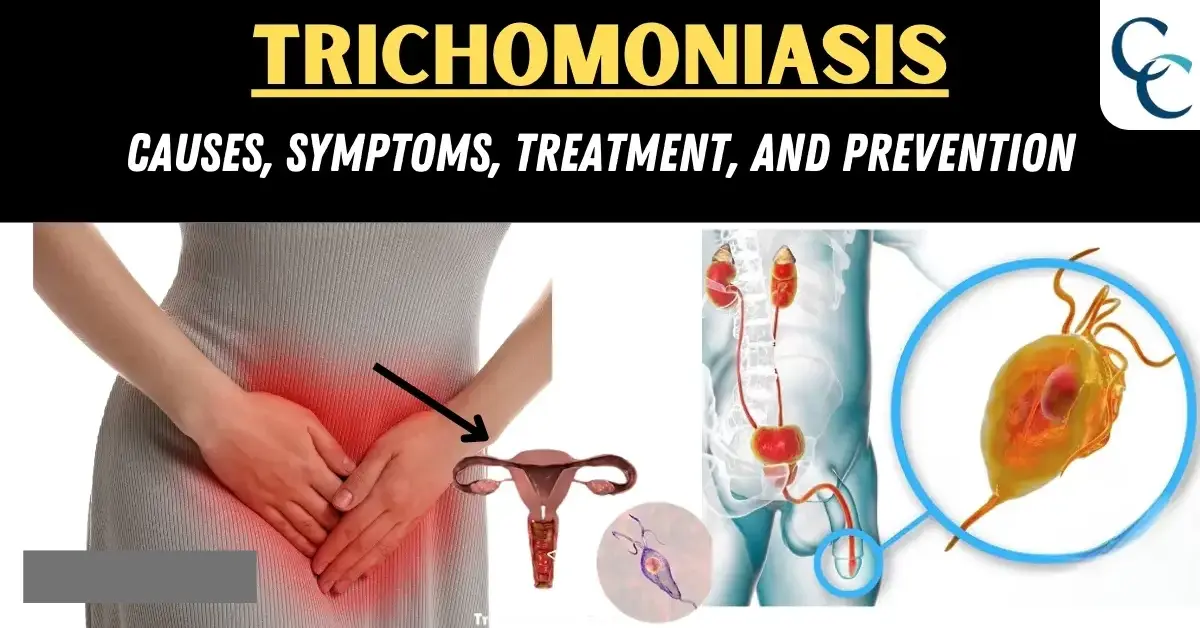
Introduction
Trichomonas vaginalis is one of the most common yet under-discussed sexually transmitted infections (STIs) across the world.
Caused by a microscopic parasite called Trichomonas vaginalis — often shortened to trichomonas — this infection affects millions of men and women every year. Although trichomonas vaginalis is fully curable, it can quietly persist without obvious symptoms, making early detection and awareness essential.
This comprehensive guide breaks down everything you need to know — its causes, symptoms, diagnosis, treatment, and how to prevent it from returning — explained in simple, professional language.
What Is Trichomonas Vaginalis?
You May Also Like It:
Tesamorelin: Benefits, Uses & Side Effects Guide
Prednisona: usos, efectos y cómo tomarla
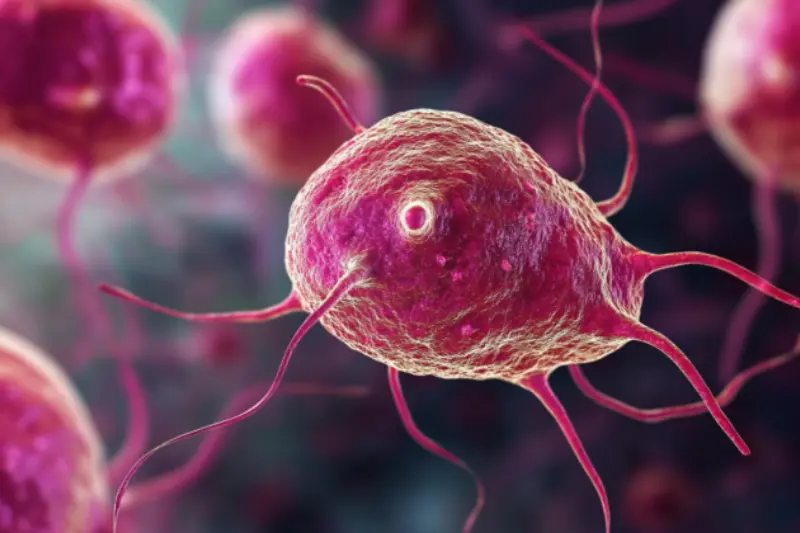
Trichomonas vaginalis is a protozoan parasite, a single-celled organism that infects the genital and urinary tracts.
It primarily affects women’s vaginas and men’s urethras, spreading mainly through sexual contact.
Here’s a quick overview:
| Aspect | Details |
|---|---|
| Scientific Name | Trichomonas vaginalis |
| Type | Protozoan Parasite |
| Infection Name | Trichomoniasis |
| Mode of Transmission | Vaginal intercourse, genital contact |
| Curable? | Yes |
| Common Medication | Metronidazole or Tinidazole |
This infection doesn’t spread through toilet seats, kissing, or casual contact because the parasite cannot survive outside the human body for long.
How Trichomonas Vaginalis Spreads
The transmission of trichomonas vaginalis happens primarily through unprotected vaginal sex.
The parasite passes from one person to another via genital fluids or contact with infected tissue.
Common causes of spread include:
- Vaginal sex without a condom
- Sharing sex toys without washing or covering them
- Contact with infected genital fluids
Unlike other infections, oral or anal sex rarely spreads trichomonas, as the parasite doesn’t survive in those areas.
The infection rate is higher among individuals with multiple sexual partners or inconsistent condom use — but it can affect anyone who is sexually active.
Symptoms of Trichomonas Vaginalis
One of the most confusing aspects of trichomonas vaginalis infection is that many people show no symptoms at all.
Even without visible signs, they can still transmit the parasite to others.
When symptoms do appear, they differ between men and women.
In Women
- Vaginal itching, irritation, or burning
- Frothy yellow-green discharge with a strong, unpleasant odor
- Pain during urination or sex
- Redness or swelling around the vulva and vagina
In Men
- Itching or burning inside the penis
- Pain after urination or ejaculation
- Clear or whitish penile discharge
- Frequent urge to urinate
These symptoms can come and go, leading many people to assume the infection has disappeared — but trichomonas vaginalis remains in the system until treated properly.
Why Trichomonas Vaginalis Is Often Misdiagnosed
The symptoms of trichomonas vaginalis often mimic other infections such as:
- Yeast infections
- Bacterial vaginosis (BV)
- Urinary tract infections (UTIs)
Because the symptoms overlap, people frequently self-treat or use the wrong medication.
This can delay recovery and increase the risk of spreading the infection to others.
Accurate testing is therefore essential for a correct diagnosis.
Diagnosis: How Trichomonas Vaginalis Is Detected
If your doctor suspects trichomonas vaginalis, several tests can confirm the diagnosis:
Microscopic Examination
A sample of vaginal or urethral discharge is viewed under a microscope to identify moving parasites.
Culture Test
A laboratory grows the parasite in a culture medium. This method is accurate but takes longer than other tests.
Rapid Antigen Test
Detects parasite proteins within an hour — fast and effective for initial screening.
NAAT (Nucleic Acid Amplification Test)
This modern DNA-based test is the most accurate method for detecting even trace amounts of Trichomonas vaginalis.
Treatment for Trichomonas Vaginalis
The best part about this infection? It’s completely curable.
Recommended Medications
- Metronidazole (Flagyl) – Usually taken as a single large dose or a short course.
- Tinidazole (Tindamax) – Similar to Metronidazole, sometimes preferred for fewer side effects.
Both medications work by killing the Trichomonas vaginalis parasite and clearing the infection completely.
During Treatment
- Avoid alcohol — it can cause nausea and dizziness when combined with these drugs.
- Abstain from sexual activity until treatment is complete and both partners test negative.
- Get retested after 3 months to confirm full recovery.
Both partners must be treated, even if one shows no symptoms, to prevent reinfection.
What Happens If Trichomonas Vaginalis Is Left Untreated?
Ignoring trichomonas vaginalis can lead to complications that affect reproductive and general health.
Possible complications include:
- Higher risk of HIV transmission due to inflamed tissues
- Pelvic Inflammatory Disease (PID) in women
- Pregnancy complications, such as premature birth or low birth weight
- Infertility if left untreated for a long period
Early detection and complete treatment are the key to avoiding these health risks.
How to Prevent Trichomonas Vaginalis
You May Also Like It:
Gabapentina 300 mg: qué es y para qué sirve
Phenol Peel – Deep Skin Treatment That Works
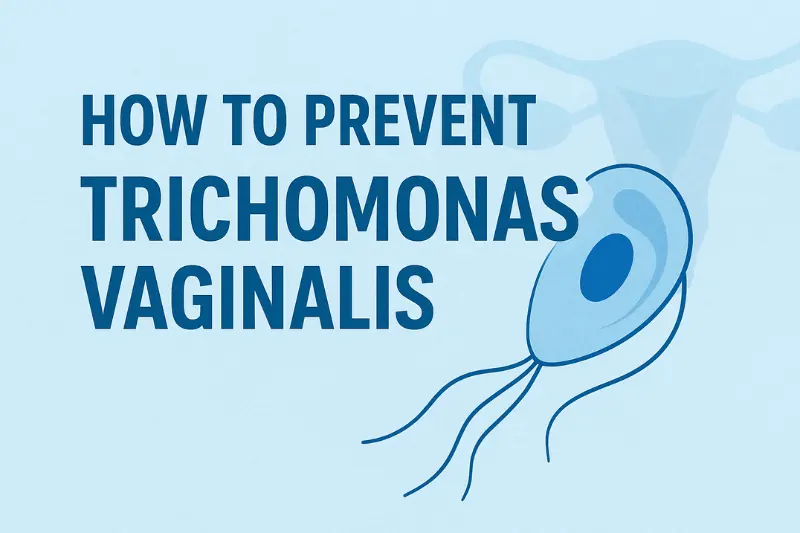
Prevention of trichomonas is simple but requires consistency.
Best prevention strategies:
- Use condoms every time you have sex
- Limit the number of sexual partners
- Get regular STI screenings
- Avoid sharing unwashed sex toys
- Maintain open communication with your partner about sexual health
Good hygiene and responsible habits play a vital role in staying infection-free.
Trichomonas Vaginalis vs. Other Common STIs
To understand trichomonas better, let’s see how it compares with other sexually transmitted infections.
| Feature | Trichomonas Vaginalis | Chlamydia | Gonorrhea |
|---|---|---|---|
| Pathogen Type | Protozoan Parasite | Bacterium | Bacterium |
| Discharge Type | Frothy, yellow-green | Clear/white | Thick yellow |
| Most Affected Area | Vagina, urethra | Urethra, cervix | Urethra, cervix |
| Curable? | Yes | Yes | Yes |
| Partner Treatment Needed? | Always | Always | Always |
This comparison shows that while trichomonas shares symptoms with bacterial STIs, its cause and treatment are completely different.
Living With and Managing Trichomonas Vaginalis
After successful treatment, most people recover fully without long-term effects.
However, reinfection is common if preventive steps aren’t followed.
Tips for long-term management:
- Retest every few months if you’re sexually active.
- Encourage your partner to test and treat simultaneously.
- Use protection consistently, even after treatment.
- Keep track of any recurring symptoms.
Taking these small steps ensures the infection doesn’t return.
Real-Life Case Example
A 30-year-old woman reported constant vaginal itching and a strong-smelling discharge. She assumed it was a yeast infection and tried over-the-counter treatments, but her discomfort continued.
Upon testing, she was diagnosed with trichomonas vaginalis and prescribed metronidazole.
Within a week, her symptoms disappeared. Her partner was treated as well, preventing reinfection.
This simple case proves why professional diagnosis and partner treatment are crucial for complete recovery.
Frequently Asked Questions (FAQs)
Can Trichomonas Vaginalis go away without treatment?
No. Without antibiotics, the parasite stays in your system and continues spreading.
How long does it take to recover from trichomonas?
Most people recover within 7–10 days of treatment.
Can you get trichomonas from a toilet seat?
No. The parasite can’t live on surfaces like toilet seats or towels.
Can men have trichomonas without symptoms?
Yes. Men often carry the infection without knowing, which makes partner testing vital.
Is Trichomonas Vaginalis curable permanently?
Yes. Once treated correctly and both partners are cured, it won’t return unless re-exposed.
What happens if you get infected again?
A repeat infection needs the same antibiotic treatment — but also review your preventive habits to avoid recurrence.
Conclusion
Trichomonas vaginalis might be widespread, but it’s completely curable and preventable.
Awareness, early diagnosis, and open communication with your partner are the strongest defenses against this infection.
If you experience unusual symptoms — don’t ignore them. Visit a healthcare provider, get tested, and begin treatment immediately.
Remember, staying informed and proactive about trichomonas vaginalis is the key to lifelong sexual health and confidence.
You May Also Like It:
Tesamorelin: Benefits, Uses & Side Effects Guide
Prednisona: usos, efectos y cómo tomarla
Gabapentina 300 mg: qué es y para qué sirve
Phenol Peel – Deep Skin Treatment That Works
Testicular Calcium – Causes, Diagnosis and Care
