
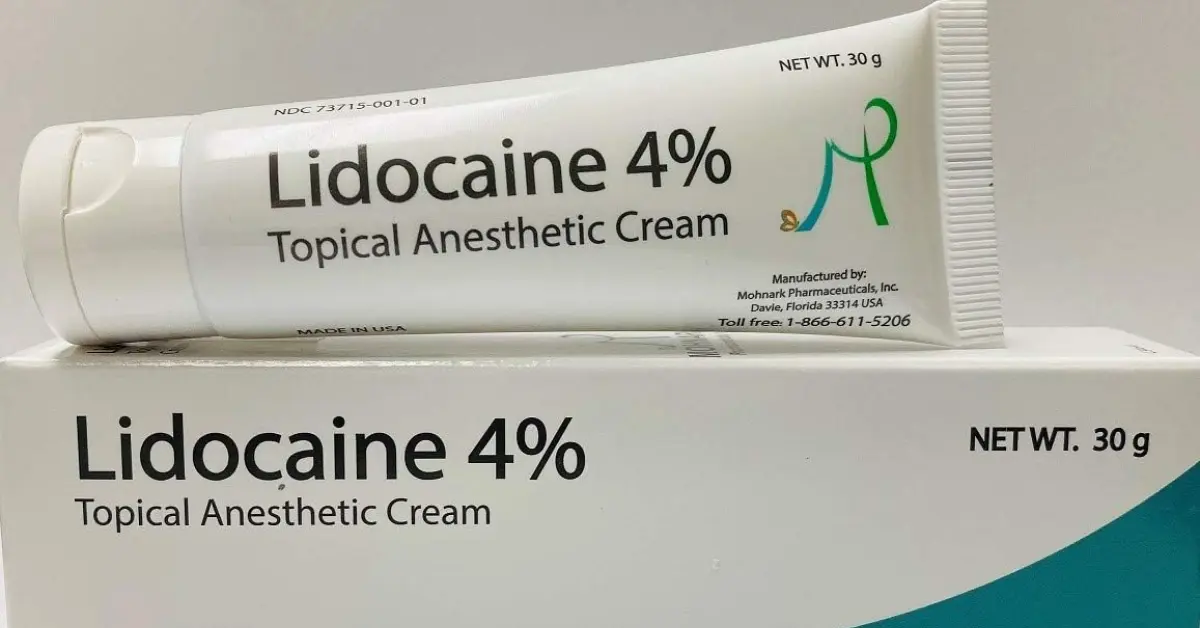
Introduction
Whether it’s the sting of a fresh tattoo, the burn of a sun-soaked beach day, or the anxiety before a waxing appointment, pain is something we all wish we could dial down. That’s where lidocaine cream comes in—a trusted topical anesthetic designed to numb the skin and make life’s little (and not-so-little) discomforts easier to handle. In this in-depth guide, we’ll explore everything you need to know about lidocaine cream and lidocaine ointment: what they are, how they work, their differences, safe usage, side effects, and more. By the end, you’ll have the knowledge to use these products with confidence.
What Is Lidocaine Cream?
You May Also Like It:
Tesamorelin: Benefits, Uses & Side Effects Guide
Prednisona: usos, efectos y cómo tomarla
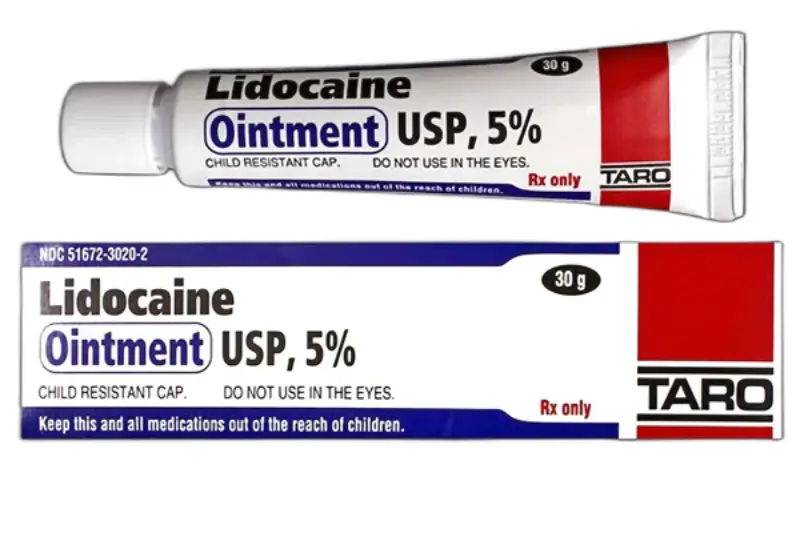
Lidocaine cream is a topical anesthetic. That means it works on the skin’s surface to block pain signals from reaching the brain. Once applied, it causes temporary numbness in the treated area, making minor medical or cosmetic procedures more tolerable.
How It Works
The active ingredient, lidocaine hydrochloride, works by blocking sodium channels in nerve cells. Without sodium movement, pain signals cannot be transmitted, which leads to a numbing effect.
Available Strengths
Most lidocaine creams are available in:
- 2% concentration → Light relief for minor irritations.
- 4% concentration → Stronger relief, often used before waxing or small cosmetic treatments.
- 5% concentration → Prescription-strength, typically for medical procedures.
Lidocaine Cream vs. Lidocaine Ointment: Key Differences
Both lidocaine cream and lidocaine ointment deliver numbing effects, but the formulation and intended uses can differ significantly.
| Feature | Lidocaine Cream | Lidocaine Ointment |
| Texture | Light, water-based | Thick, oil-based |
| Absorption | Quick absorption into skin | Slower but longer-lasting |
| Best Use | Tattoos, waxing, quick procedures | Dry, cracked skin or prolonged relief |
| Finish | Non-greasy | Greasy feel, may stain fabrics |
| Availability | OTC & prescription | OTC & prescription |
Takeaway: Use cream when you need fast, non-greasy numbing and ointment when you want deep hydration and extended relief.
Common Uses of Lidocaine Cream
Because of its numbing ability, lidocaine cream has a wide range of uses in both everyday life and medical practice.
Everyday Skin Irritations
- Minor cuts and scrapes
- Sunburns
- Insect bites or stings
- Mild skin rashes
Cosmetic & Beauty Procedures
- Tattoos and piercings
- Waxing and laser hair removal
- Microblading and microneedling
- Chemical peels and dermal fillers
Medical Applications
Doctors and nurses often use lidocaine cream before:
- Vaccinations or injections
- IV insertions
- Minor surgical procedures
- Dermatological treatments
How to Use Lidocaine Cream Safely
When used correctly, lidocaine cream is both safe and effective. Here’s how to apply it properly:
Step-by-Step Application
- Clean the skin with mild soap and water. Pat dry.
- Apply a thin layer of lidocaine cream directly to the affected area.
- Cover if needed: For medical prep, a health care provider may cover the area with plastic wrap to enhance absorption.
- Wait 15–30 minutes before the numbing effect begins.
- Remove excess cream if directed, especially before medical procedures.
- Wash your hands thoroughly after use (unless you’re treating your hands).
Safety Tips
- Do not apply to broken or infected skin unless directed by a doctor.
- Avoid covering large areas of the body.
- Never use more than recommended on the label.
- Keep away from eyes, nose, and mouth.
Who Should Avoid Lidocaine Cream?
While lidocaine cream is safe for most adults, certain people should use caution:
- Children under 12 (unless prescribed).
- Pregnant or breastfeeding women (consult a doctor first).
- People with liver disease or heart conditions.
- Anyone with a known allergy to local anesthetics.
Possible Side Effects
Most people experience little to no reaction. However, side effects are possible.
Mild Effects
- Redness, itching, or irritation
- Temporary tingling or warmth
Serious (Rare) Effects
- Allergic reaction (rash, swelling, breathing difficulty)
- Dizziness, confusion, or irregular heartbeat (from overuse)
Important: If you experience severe symptoms, seek medical attention immediately.
Where to Buy Lidocaine Cream and Ointment
Lidocaine products are easy to find both over-the-counter (OTC) and through prescription.
- Pharmacies: Widely available in 2–4% strengths.
- Online retailers: Amazon, Walmart, pharmacy websites.
- Prescription versions: Higher-strength options (5%+) prescribed by doctors.
Pro tip: Always purchase from trusted sellers to avoid counterfeit or unsafe products.
Practical Example: Lidocaine Cream for Tattoos
Imagine you’re preparing for a 4-hour tattoo session. A tattoo artist may recommend applying 5% lidocaine cream 45 minutes before starting. This helps dull the sharp sting, allowing you to sit more comfortably for longer.
In contrast, if you used lidocaine ointment, it might not absorb quickly enough, and the greasy texture could interfere with the tattooing process.
Expert Comparison: Cream vs. Ointment in Dermatology
You May Also Like It:
Gabapentina 300 mg: qué es y para qué sirve
Phenol Peel – Deep Skin Treatment That Works
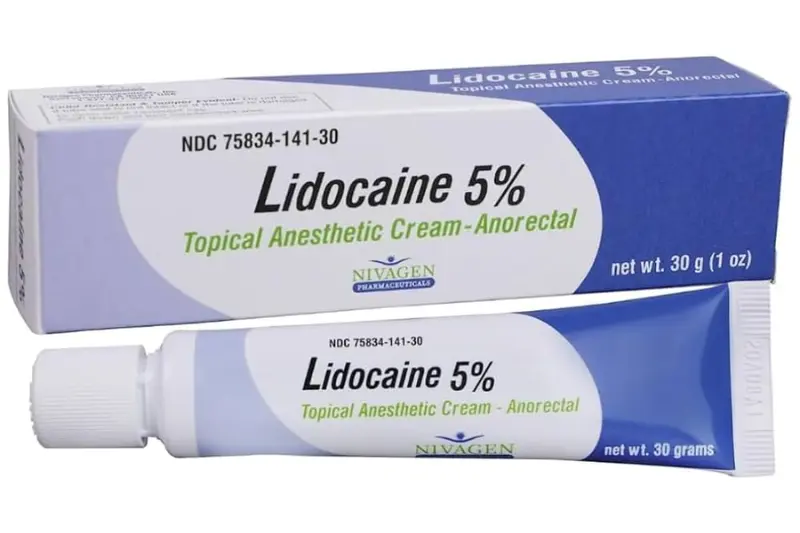
Dermatologists often recommend cream formulations for short-term procedures (like mole removal) because they’re easy to apply and fast-absorbing.
On the other hand, ointments are prescribed for chronic conditions such as eczema or psoriasis, where the thick base provides both numbing and hydration.
FAQs About Lidocaine Cream
How long does lidocaine cream last?
Typically 30 minutes to 2 hours, depending on the strength and amount used.
Is lidocaine ointment stronger than cream?
Not stronger, but longer-lasting. The effect depends on concentration (e.g., 5%).
Can lidocaine cream numb completely?
No. It reduces sharp pain, but you may still feel pressure or movement.
Can I use lidocaine cream for waxing or tattoos?
Yes—many professionals recommend it for reducing discomfort.
How quickly does lidocaine cream work?
Usually within 15–30 minutes after application.
Is it safe for kids?
Only under medical supervision. Always consult a doctor first.
Can I combine lidocaine cream with other numbing products?
No. Mixing can increase the risk of overdose and serious side effects.
Conclusion
Lidocaine cream is more than just a numbing agent—it’s a versatile tool for managing pain, irritation, and discomfort in everyday life and medical settings. Whether you’re weighing the differences between lidocaine cream and ointment, preparing for a tattoo, or soothing a sunburn, knowing how to use it safely makes all the difference. Final takeaway: Use lidocaine cream responsibly, follow dosage guidelines, and always consult a healthcare professional if you’re unsure. When chosen wisely and applied correctly, lidocaine cream can make life’s painful moments a little easier.
You May Also Like It:
Tesamorelin: Benefits, Uses & Side Effects Guide
Prednisona: usos, efectos y cómo tomarla
Gabapentina 300 mg: qué es y para qué sirve
Phenol Peel – Deep Skin Treatment That Works
Testicular Calcium – Causes, Diagnosis and Care
