
Introduction
Dicloxacilina is a powerful antibiotic prescribed to treat various bacterial infections. Belonging to the penicillin family, it effectively fights specific bacteria and helps patients recover safely. This guide explains everything you need to know about Dicloxacilina, from its uses to precautions.
What is Dicloxacilina?
You May Also Like It:
Tesamorelin: Benefits, Uses & Side Effects Guide
Prednisona: usos, efectos y cómo tomarla
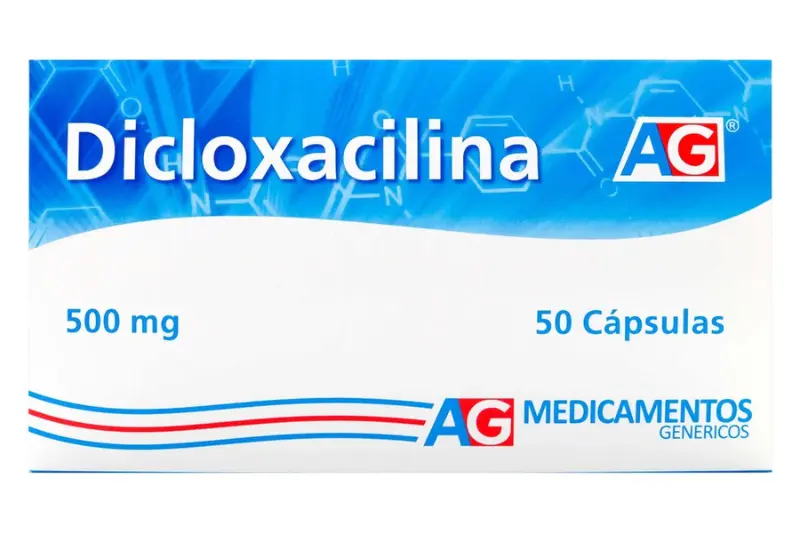
Dicloxacilina is a penicillin-type antibiotic that works by stopping bacteria from building cell walls, causing them to die. It is particularly effective against Staphylococcus aureus, including strains resistant to other penicillin-type antibiotics.
It is important to note that Dicloxacilina does not work against viral infections, such as the common cold or flu. Correct prescription and adherence to dosage are crucial for safe and effective treatment.
Common Uses of Dicloxacilina
Dicloxacilina is prescribed for a variety of bacterial infections, including:
Skin Infections (Boils, Abscesses, Cellulitis)
Used to treat infections on the skin caused by susceptible bacteria. These infections may appear as redness, swelling, or pus-filled bumps.
Respiratory Tract Infections (Pneumonia, Sinusitis)
Effective against bacterial infections in the lungs and sinuses, helping reduce symptoms such as coughing, fever, and congestion.
Bone Infections (Osteomyelitis)
Dicloxacilina can treat bacterial infections in bones, preventing complications and supporting recovery.
Ear Infections (Otitis Media)
Prescribed for middle ear infections caused by bacteria, reducing pain, swelling, and fluid buildup.
Endocarditis Prevention
Sometimes used to prevent bacterial infections in the heart lining (endocarditis), especially in high-risk patients undergoing certain medical procedures.
How Dicloxacilina Works
Dicloxacilina works by inhibiting bacterial cell wall synthesis. Without a cell wall, bacteria cannot survive, leading to their destruction. Its effectiveness is limited to specific types of bacteria, making it essential to follow your doctor’s prescription.
Dosage and Administration
Adult Dosage Guidelines
Typically, adults are prescribed 250–500 mg every 6 hours, depending on the infection’s severity.
Children’s Dosage Guidelines
Children’s doses are calculated based on body weight, and a pediatrician must determine the correct amount.
Importance of Completing the Full Course
Even if symptoms improve, patients must complete the prescribed course to prevent the infection from returning or bacteria from becoming resistant.
Possible Side Effects of Dicloxacilina
You May Also Like It:
Gabapentina 300 mg: qué es y para qué sirve
Phenol Peel – Deep Skin Treatment That Works
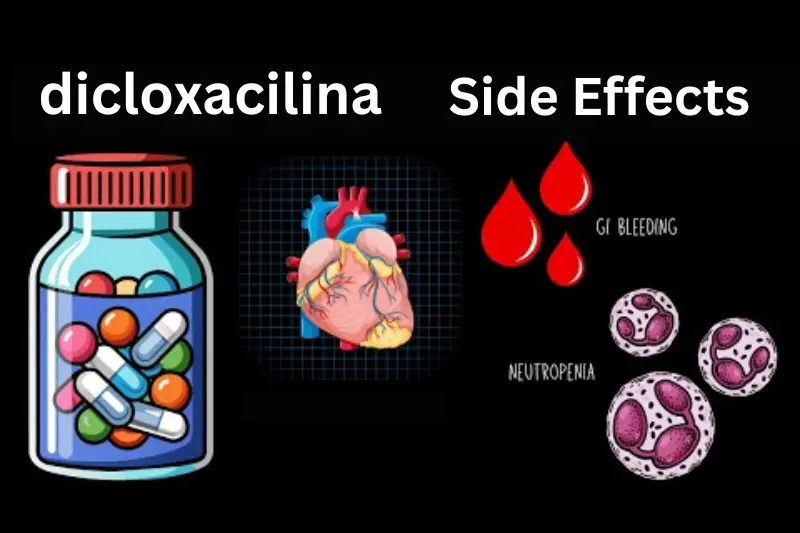
Like any medication, Dicloxacilina may cause side effects.
Common Side Effects
- Nausea or vomiting
- Diarrhea
- Stomach pain
- Rash or mild itching
Rare but Serious Side Effects
- Severe allergic reactions (anaphylaxis)
- Liver problems (yellowing of skin or eyes)
- Blood disorders (unusual bruising or bleeding)
Seek medical attention immediately if you experience any serious side effects.
Precautions and Drug Interactions
Allergies and Contraindications
People allergic to penicillin should avoid Dicloxacilina, as it can trigger severe allergic reactions.
Pregnancy and Breastfeeding Considerations
Dicloxacilina should only be used during pregnancy or breastfeeding under medical supervision.
Medications that May Interact
Inform your doctor about other medications, particularly:
- Other antibiotics
- Anticoagulants
- Methotrexate
Tips for Safe Use of Dicloxacilina
- Take on an empty stomach for better absorption.
- Do not skip doses, even if symptoms improve.
- Store in a cool, dry place away from sunlight.
- Avoid alcohol, as it may increase side effects or reduce effectiveness.
When to See a Doctor
Seek medical help immediately if:
- Symptoms persist or worsen after a few days
- Severe allergic reactions occur (difficulty breathing, swelling of face/lips)
- You notice unusual bruising, bleeding, or yellowing of skin and eyes
Conclusion:
Dicloxacilina is a reliable antibiotic for treating specific bacterial infections. By following proper dosage, being aware of side effects, and consulting your doctor, you can ensure safe and effective treatment. Never self-medicate and always follow medical guidance.
You May Also Like It:
Tesamorelin: Benefits, Uses & Side Effects Guide
Prednisona: usos, efectos y cómo tomarla
Gabapentina 300 mg: qué es y para qué sirve
Phenol Peel – Deep Skin Treatment That Works
Testicular Calcium – Causes, Diagnosis and Care
