
Introduction
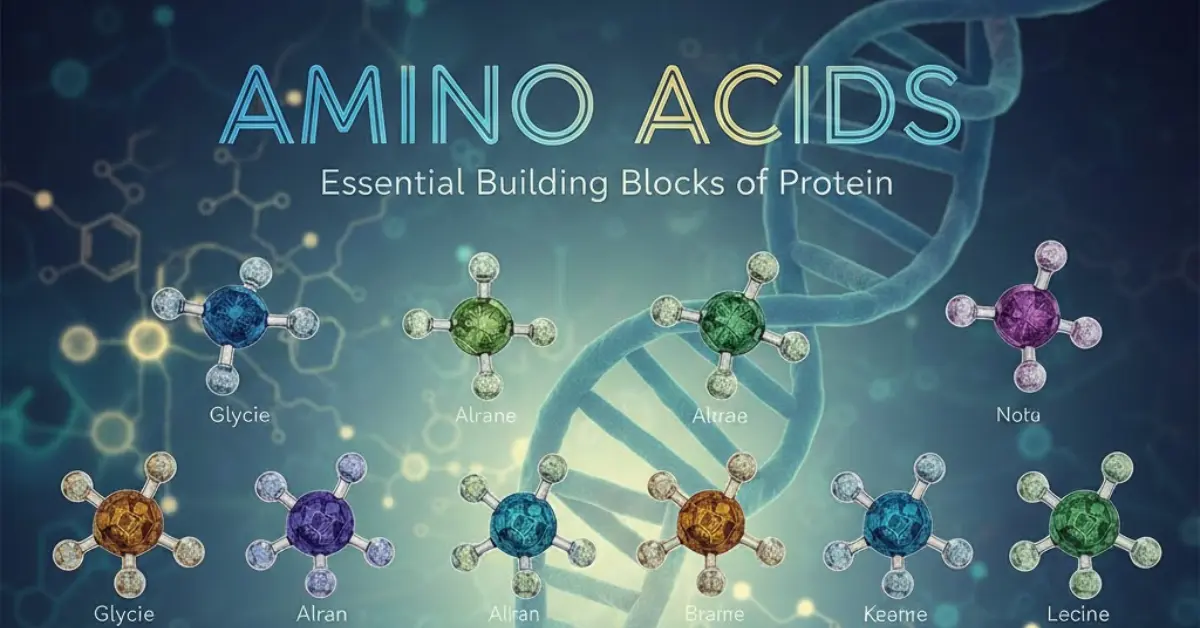
Life as we know it would not exist without aminoacids. These tiny molecules are the essential building blocks that make up proteins, which in turn form muscles, enzymes, hormones, and nearly every structure in our bodies. Without amino acids, our cells couldn’t function, grow, or repair themselves. So, what exactly are amino acids? Simply put, they are organic compounds that contain an amino group (-NH₂) and a carboxyl group (-COOH). When linked together in chains, they form proteins—the molecules responsible for countless biological functions. Understanding amino acids is not just important for students of biochemistry; it’s also crucial for anyone interested in health, nutrition, and overall well-being. By learning how amino acids work, we gain insight into how our bodies build, maintain, and regulate life at the molecular level.
What Are Amino Acids?
You May Also Like It:
Tesamorelin: Benefits, Uses & Side Effects Guide
Prednisona: usos, efectos y cómo tomarla
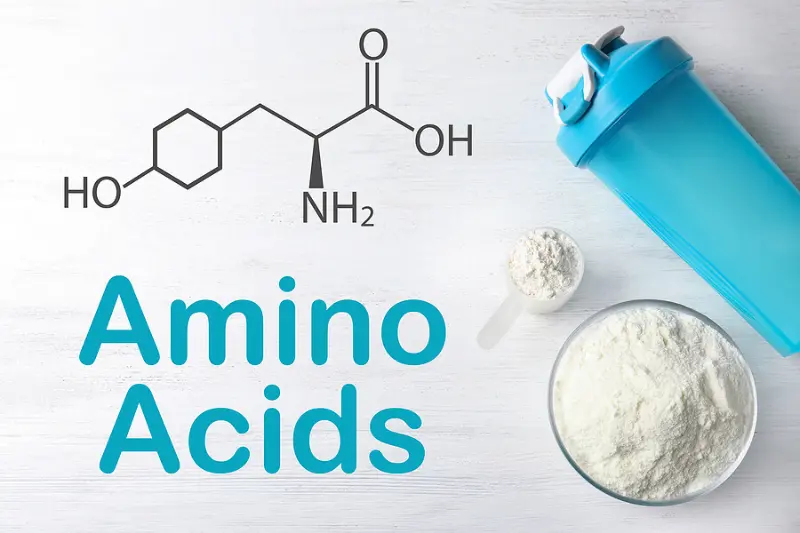
Amino acids are the fundamental molecules that make life possible. At their core, they are organic compounds containing both an amino group (-NH₂) and a carboxyl group (-COOH). These two groups allow amino acids to link together through peptide bonds, forming long chains called proteins. Proteins, in turn, perform nearly every function in living organisms—from providing structural support to regulating enzymes and hormones.
Each amino acid shares a common backbone: a central carbon atom (called the alpha carbon), a hydrogen atom, an amino group, a carboxyl group, and a unique side chain (R-group). It is this side chain that gives each amino acid its specific chemical properties, such as being polar, nonpolar, acidic, or basic.
The combination and sequence of amino acids in a protein determine its three-dimensional structure and, ultimately, its function. This is why even a small change in an amino acid sequence can dramatically affect a protein’s behavior, sometimes leading to disease.
By understanding amino acids, we can better appreciate how our bodies build the proteins necessary for growth, repair, and overall health.
Classification of Amino Acids
Amino acids are not all the same—they can be grouped based on the chemical properties of their side chains (R-groups). This classification is important because it helps us understand how proteins fold, interact, and perform their functions.
Nonpolar Amino Acids
Nonpolar amino acids are hydrophobic, meaning they tend to avoid water. They are often found in the interior of proteins, helping to maintain the protein’s structure. Examples include glycine, leucine, and valine.
Polar Amino Acids
Polar amino acids can form hydrogen bonds and are usually located on the surface of proteins, where they interact with water or other molecules. Examples include serine, threonine, and asparagine.
Acidic Amino Acids
Acidic amino acids carry a negative charge at physiological pH. They are important for protein stability, enzyme activity, and charge interactions. Examples include aspartic acid and glutamic acid.
Basic Amino Acids
Basic amino acids carry a positive charge at physiological pH. They often play roles in DNA binding, enzyme function, and protein interactions. Examples include lysine, arginine, and histidine.
Understanding these classifications helps explain how proteins fold, how enzymes function, and how our bodies use amino acids in various metabolic processes.
Essential vs. Non-Essential Amino Acids
Not all amino acids can be produced by the human body. This distinction leads to two important categories: essential and non-essential amino acids.
Essential Amino Acids
Essential amino acids cannot be synthesized by the body, so they must be obtained through the diet. These amino acids are critical for protein synthesis, tissue repair, and overall health. Examples include valine, leucine, lysine, and tryptophan. A deficiency in any essential amino acid can disrupt protein production and affect bodily functions.
Non-Essential Amino Acids
Non-essential amino acids can be produced by the body even if they are not obtained from food. Examples include alanine, asparagine, and glutamine. While they are called “non-essential,” they are still vital for metabolism, enzyme activity, and cellular repair.
Why This Matters
Understanding the difference between essential and non-essential amino acids helps us make better dietary choices. Consuming a balanced diet with sufficient protein ensures the body gets all the amino acids it needs for growth, repair, and optimal function.
Functions of Amino Acids
You May Also Like It:
Gabapentina 300 mg: qué es y para qué sirve
Phenol Peel – Deep Skin Treatment That Works
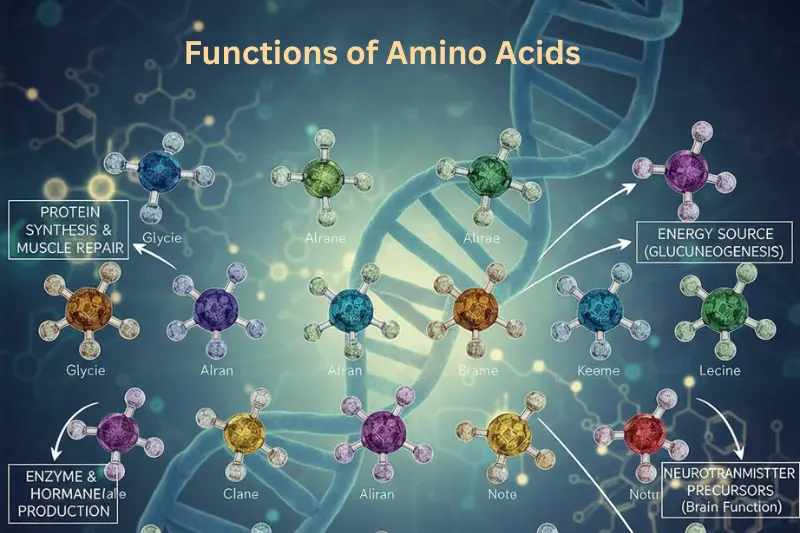
Amino acids are more than just the building blocks of proteins—they perform a wide range of critical functions in the body that keep us healthy and active.
Protein Synthesis
The most important function of amino acids is forming proteins. Proteins are essential for muscle growth, tissue repair, enzymes, and hormones. Without amino acids, the body wouldn’t be able to produce these crucial molecules.
Energy Production
In certain conditions, such as fasting or intense exercise, amino acids can be used as an energy source. They are broken down to provide fuel for cells when carbohydrates or fats are insufficient.
Neurotransmission and Signaling
Some amino acids act as neurotransmitters or are precursors to neurotransmitters. For example, tryptophan is converted into serotonin, which regulates mood, and glutamate is a key excitatory neurotransmitter in the brain.
Metabolic Support
Amino acids participate in metabolic pathways, helping the body process nutrients, remove toxins, and maintain overall cellular health.
Understanding the diverse functions of amino acids highlights why these small molecules are vital to life, influencing everything from brain function to muscle growth and immune response.
Sources of Amino Acids
To maintain good health, it’s important to get all essential amino acids through the diet. Amino acids are found in a variety of protein-rich foods, both animal-based and plant-based.
Animal-Based Sources
Animal proteins are complete proteins, meaning they contain all essential amino acids. Examples include:
- Meat: beef, chicken, pork
- Fish and seafood: salmon, tuna, shrimp
- Eggs: whole eggs and egg whites
- Dairy products: milk, cheese, yogurt
Plant-Based Sources
Some plant proteins may lack one or more essential amino acids, but combining them ensures you get all of them. Examples include:
- Legumes: lentils, chickpeas, beans
- Soy products: tofu, tempeh, soy milk
- Grains: quinoa, rice, oats
- Nuts and seeds: almonds, pumpkin seeds, chia seeds
Tips for a Balanced Intake
- Mix and match plant proteins to create complete amino acid profiles.
- Include protein-rich meals throughout the day to meet your body’s needs.
- Focus on variety to ensure you get both essential and non-essential amino acids.
By choosing the right foods, you can support muscle growth, brain function, and overall health while making sure your body has the amino acids it needs to function properly.
Conclusion
Amino acids are truly the cornerstones of life. These small molecules form proteins, which are essential for nearly every function in our bodies—from building muscles and tissues to producing enzymes and hormones. Understanding amino acids helps us appreciate how our bodies grow, repair, and maintain themselves at the molecular level. By learning about the different types of amino acids, their functions, and dietary sources, we can make better choices to support our health, whether through balanced meals or proper supplementation. Studying amino acids isn’t just for biochemistry students—it’s valuable knowledge for anyone interested in nutrition, fitness, and overall well-being.
If you have questions or want to learn more about amino acids, leave a comment below. Sharing knowledge helps us all understand the incredible science of life a little better.
You May Also Like It:
Tesamorelin: Benefits, Uses & Side Effects Guide
Prednisona: usos, efectos y cómo tomarla
Gabapentina 300 mg: qué es y para qué sirve
Phenol Peel – Deep Skin Treatment That Works
Testicular Calcium – Causes, Diagnosis and Care
