
Introduction
Tizanidina, also known as tizanidine, is a prescription medication commonly used to manage muscle spasticity. It helps individuals with conditions like multiple sclerosis, spinal cord injuries, or other neurological disorders reduce muscle stiffness, improve mobility, and enhance overall quality of life. This article provides a complete guide on Tizanidina, including its uses, dosage, side effects, precautions, and safety tips.
What is Tizanidina?
You May Also Like It:
Tesamorelin: Benefits, Uses & Side Effects Guide
Prednisona: usos, efectos y cómo tomarla
Overview and Medical Classification
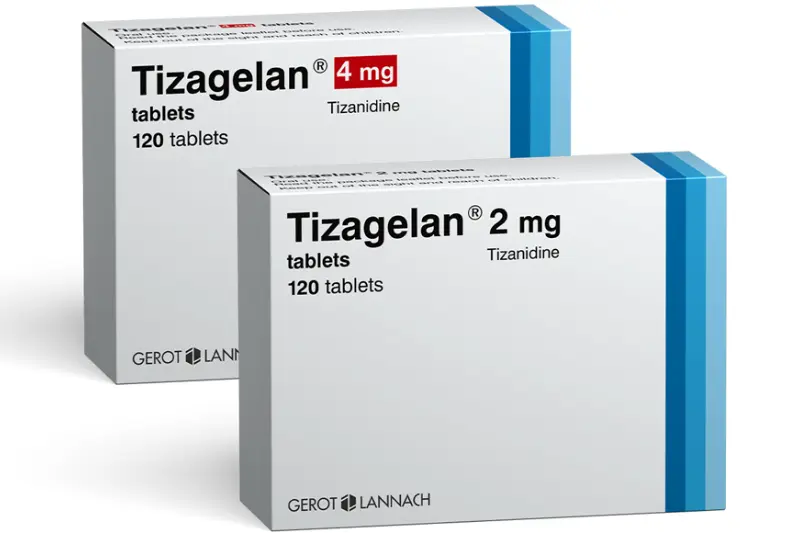
Tizanidina is a centrally acting alpha-2 adrenergic agonist. It functions as a muscle relaxant by acting on the central nervous system. Its primary role is to reduce excessive muscle tone caused by neurological conditions. Unlike some other muscle relaxants, Tizanidina has a short duration of action, making it effective for targeted relief.
How Tizanidina Works in the Body
Tizanidina works by stimulating alpha-2 receptors in the spinal cord, which decreases the release of excitatory neurotransmitters. This reduces the frequency and intensity of muscle spasms, allowing the muscles to relax without causing severe sedation in most patients.
Uses of Tizanidina
Muscle Spasticity
Tizanidina is widely prescribed for individuals experiencing muscle spasticity, a condition characterized by continuous muscle stiffness. It is especially helpful for patients with multiple sclerosis or cerebral palsy.
Spinal Cord Injuries
Those with spinal cord injuries often experience involuntary muscle contractions. Tizanidina helps control spasms and improve mobility, allowing for better rehabilitation outcomes.
Muscle Cramps and Neurological Disorders
Tizanidina can also relieve painful muscle cramps and is sometimes used in off-label treatments for movement disorders, providing symptomatic relief and enhancing comfort.
Dosage and Administration
Starting Dose
Tizanidina is typically started at 2 mg, taken up to three times daily.
Titration and Maximum Dose
Dosage is gradually increased based on effectiveness and tolerance. The maximum daily dose usually does not exceed 36 mg, divided into multiple doses.
Special Considerations
- Should be used cautiously in patients with liver impairment.
- Regular liver function tests may be recommended.
- Avoid abrupt discontinuation; gradual tapering may be necessary.
Side Effects of Tizanidina
Common Side Effects
- Drowsiness or fatigue
- Dizziness or lightheadedness
- Dry mouth
- Weakness or low blood pressure
Serious Side Effects to Watch
- Liver dysfunction
- Abnormal heart rhythm
- Allergic reactions (rare)
Always consult your doctor if you experience severe or persistent side effects.
Precautions and Interactions
You May Also Like It:
Gabapentina 300 mg: qué es y para qué sirve
Phenol Peel – Deep Skin Treatment That Works

Alcohol and Food Interactions
Avoid alcohol while taking Tizanidina, as it can increase drowsiness and dizziness.
Medication Interactions
Certain medications, especially blood pressure drugs, can interact with Tizanidina. Always inform your doctor about all current medications.
Liver Function and Monitoring
Regular liver function tests are advised for long-term use. This ensures the medication does not adversely affect liver health.
Tizanidina vs Other Muscle Relaxants
Comparison with Baclofen
- Tizanidina has a shorter duration of action.
- It may cause less sedation compared to baclofen.
Comparison with Cyclobenzaprine
- Tizanidina targets neurologically induced spasticity, while cyclobenzaprine is mostly for general muscle pain.
- Tizanidina requires careful liver monitoring; cyclobenzaprine less so.
Tips for Using Tizanidina Safely
Best Practices for Taking Tizanidina
- Follow doctor’s prescription exactly.
- Do not stop abruptly; taper gradually if needed.
- Monitor for side effects and report them promptly.
Lifestyle Tips While on Medication
- Avoid driving or operating machinery until you know how it affects you.
- Maintain a log of symptoms and improvements to share with your healthcare provider.
FAQs About Tizanidina
Can Tizanidina be taken long-term?
Yes, but only under medical supervision with regular monitoring.
Is Tizanidina addictive?
It is not considered addictive but should not be abruptly stopped.
Can I drive after taking Tizanidina?
It may cause drowsiness, so avoid driving until you know its effects.
What foods or drinks should I avoid?
Alcohol should be avoided to prevent excessive sedation.
Can Tizanidina be taken with other medications?
Some drugs may interact, so always consult your doctor.
What should I do if I miss a dose?
Take it as soon as you remember, but skip if it’s almost time for the next dose.
Conclusion
Tizanidina is a powerful and effective option for managing muscle spasticity, cramps, and related neurological issues. With proper use and medical supervision, it can significantly improve mobility, comfort, and quality of life. Always consult a health care professional before starting Tizanidina and adhere to safety guidelines to minimize side effects.
You May Also Like It:
Tesamorelin: Benefits, Uses & Side Effects Guide
Prednisona: usos, efectos y cómo tomarla
Gabapentina 300 mg: qué es y para qué sirve
Phenol Peel – Deep Skin Treatment That Works
Testicular Calcium – Causes, Diagnosis and Care
