
Introduction
Epinastina, internationally known as Epinastine, is a fast-acting antihistamine medication widely used to treat allergy-related symptoms, especially those affecting the eyes. It is commonly prescribed in ophthalmic (eye drop) form and belongs to the class of H1 receptor antagonists, designed to block histamines responsible for allergic reactions.
If you regularly experience seasonal allergies, itching, redness, or eye irritation, Epinastina may be one of the medicines recommended by health care professionals. This guide explains everything you need to know about this medication, including how it works, benefits, proper use, side effects, and safety considerations.
What Is Epinastina?
You May Also Like It:
Tesamorelin: Benefits, Uses & Side Effects Guide
Prednisona: usos, efectos y cómo tomarla
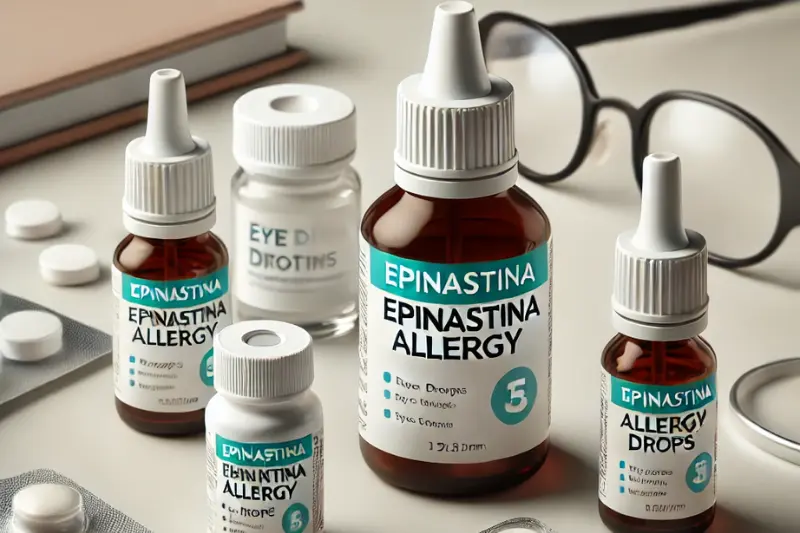
Epinastina is a second-generation antihistamine developed for both oral and ophthalmic use, though the eye-drop form is the most common today. It helps relieve symptoms caused by:
- Seasonal allergic conjunctivitis
- Environmental allergens such as pollen, dust, mold, or pet dander
- Eye itching and redness
- Watering or burning sensation
Unlike older antihistamines, epinastina is non-sedating, meaning it typically does not cause drowsiness, making it suitable for daytime use.
How Epinastina Works
When the body comes in contact with an allergen, it releases histamine, a chemical that triggers allergy symptoms. Epinastina works by:
Blocking H1 Receptors
This prevents histamines from attaching to cells, thereby reducing itching, redness, and watering of the eyes.
Mast Cell Stabilization
Epinastina also prevents mast cells from releasing more histamine, giving it a dual action: immediate relief + prevention of new symptoms.
Anti-inflammatory Effects
It helps reduce swelling and irritation, making it effective for moderate to severe allergic responses.
Key Benefits of Using Epinastina
Fast Symptom Relief
Most users experience relief within a few minutes when using the eye-drop version.
Long-lasting Effect
A single dose can provide relief for up to 12 hours, depending on the severity of allergies.
Non-Sedating Formula
Unlike older antihistamines, Epinastina does not cause drowsiness, making it ideal for students, professionals, and drivers.
Safe for Daily Use
It can be used regularly during allergy seasons under professional guidance.
Suitable for Seasonal & Perennial Allergies
Whether your allergies appear during spring or persist all year, this medication can help.
Common Uses of Epinastina
Epinastina is most frequently used for:
- Eye allergies and irritation
- Itching caused by pollen and dust exposure
- Redness due to allergic conjunctivitis
- Preventing allergy symptoms in high-exposure environments
- Controlling recurring eye irritation
It is not effective for infections, bacterial conjunctivitis, or non-allergic eye issues.
How to Use Epinastina Eye Drops Safely
To get the best results:
- Wash your hands before using the drops.
- Shake the bottle gently if required.
- Pull down your lower eyelid to create a small pocket.
- Apply 1 drop in each affected eye (or as prescribed).
- Avoid touching the dropper tip to prevent contamination.
- Close your eyes gently for a few seconds.
- Wait 10–15 minutes before using any other eye medication.
If you wear contact lenses, remove them before applying the drops and wait at least 10 minutes before reinserting.
Possible Side Effects of Epinastina
You May Also Like It:
Gabapentina 300 mg: qué es y para qué sirve
Phenol Peel – Deep Skin Treatment That Works
Epinastina is considered safe for most people, but mild side effects may include:
- Slight burning sensation
- Temporary blurred vision
- Mild dryness
- Headache
- Eye irritation
These usually disappear on their own.
Serious Side Effects (Rare)
- Severe eye redness
- Swelling around the eyes
- Worsening symptoms
If these occur, discontinue use and seek professional advice.
Who Should Avoid Epinastina?
You should consult a healthcare provider before using Epinastina if you:
- Have chronic eye diseases
- Wear contact lenses for long hours
- Are pregnant or breastfeeding
- Have a history of medication allergies
Children should use it only under medical supervision.
Safety Precautions
- Do not use expired eye drops.
- Do not share your eye medication with others.
- Store in a cool, dry place away from direct sunlight.
- Use only the prescribed dosage.
- Do not use for eye infections unless advised by a doctor.
Epinastina vs Other Antihistamines
| Feature | Epinastina | Olopatadine | Ketotifen |
|---|---|---|---|
| Sedation | No | No | Mild |
| Duration | Long-lasting | Moderate | Moderate |
| Dual Action | Yes | Yes | Yes |
| Common Use | Eye allergies | Eye allergies | General allergies |
Epinastina stands out due to its faster relief, dual action, and lower risk of drowsiness.
Frequently Asked Questions (FAQs)
Is Epinastina safe for daily use?
Yes, it is generally safe for daily use during allergy seasons, but always follow the recommended dosage.
Can I use Epinastina with contact lenses?
Yes, but remove your lenses before applying the drops and wait 10 minutes before reinserting them.
How long does Epinastina take to work?
The effects usually begin within a few minutes.
Can Epinastina treat infections?
No. It only treats allergic symptoms, not bacterial or viral infections.
Does Epinastina cause drowsiness?
No, it is a non-sedating antihistamine.
Conclusion
Epinastina (Epinastine) is an effective, fast-acting, and safe option for people suffering from allergy-related eye symptoms. Its dual action—blocking histamine and preventing new allergic reactions—makes it one of the preferred choices for ophthalmic allergy treatment. When used correctly, it offers long-lasting relief and significantly improves comfort during allergy seasons.
Always consult a healthcare professional if symptoms persist or worsen, and use the medication responsibly.
You May Also Like It:
Tesamorelin: Benefits, Uses & Side Effects Guide
Prednisona: usos, efectos y cómo tomarla
Gabapentina 300 mg: qué es y para qué sirve
Phenol Peel – Deep Skin Treatment That Works
Testicular Calcium – Causes, Diagnosis and Care
