
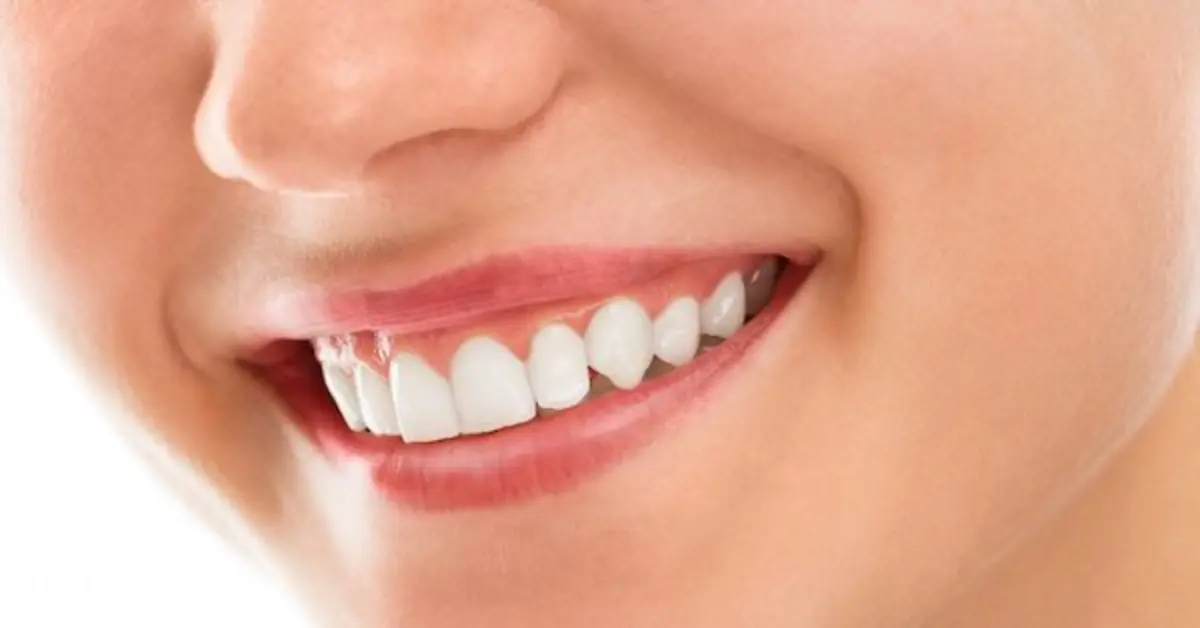
What Are White Spots on Teeth?
White spots on teeth are small, discolored patches that appear brighter or whiter than the surrounding enamel. They often look chalky, cloudy, or milky and can affect one or multiple teeth.
These spots are usually an early sign that the tooth enamel has lost minerals—a process called demineralization. While they don’t always hurt, white spots can affect your smile and may lead to further dental problems if ignored.
In simple terms, white spots are a cosmetic issue that might also signal something deeper going on with your dental health—like early tooth decay, too much fluoride, or enamel defects.
What Causes White Spots on Teeth?

White spots on teeth can appear for several reasons. Understanding the cause can help you treat and prevent them effectively. Here are the most common reasons:
Enamel Hypoplasia
This condition occurs when the enamel doesn’t develop properly. It can be caused by:
- Poor nutrition during childhood
- High fevers or illnesses during tooth development
- Premature birth
It results in weak enamel and visible white or brown spots on the teeth.
Fluorosis
Fluorosis happens when you consume too much fluoride during early childhood. This can occur from:
- Swallowing fluoride toothpaste
- Drinking water with high fluoride levels
Mild fluorosis appears as faint white spots or streaks, while severe cases can cause brown stains.
Demineralization Due to Poor Oral Hygiene
If plaque builds up on your teeth—especially around braces or near the gums—it can pull minerals out of the enamel. This leads to white spots, which are often early signs of tooth decay.
Diet High in Sugars and Acids
Frequently eating or drinking sugary and acidic foods can weaken enamel and lead to white spots over time.
Dry Mouth (Low Saliva)
Saliva helps protect teeth. If your mouth is often dry, your enamel is more vulnerable to damage and demineralization.
Is It Normal to Have White Spots on Teeth?

Yes, white spots on teeth are fairly common—especially in children and teenagers—but that doesn’t mean they should be ignored. These spots can appear for different reasons, like too much fluoride, weak enamel, or poor brushing habits.
In many cases, white spots are harmless and only affect the appearance of your teeth. However, they can also be an early sign of problems like:
- Enamel demineralization
- Tooth decay
- Developmental enamel issues
So while it’s normal to see white spots on teeth, it’s important to find out what’s causing them. A quick visit to the dentist can help you understand if they’re just cosmetic or if treatment is needed.
How to Remove White Spots on Teeth at Home
While some white spots need professional dental treatment, you can try a few safe home remedies to reduce their appearance—especially if the cause is early enamel demineralization.
Use a Remineralizing Toothpaste
Toothpaste with ingredients like:
- Fluoride
- Calcium phosphate
- Hydroxyapatite
These help restore lost minerals in your enamel and can slowly reduce white spots over time.
Try Oil Pulling
Swishing coconut oil in your mouth for 10–15 minutes daily may help reduce bacteria and support overall oral health. While not a cure, it can support remineralization.
Avoid Sugary and Acidic Foods
Cutting down on sodas, candies, and acidic drinks can prevent further enamel damage and allow your teeth to naturally repair.
Maintain Good Oral Hygiene
- Brush twice a day with a soft-bristled brush.
- Floss daily.
- Rinse with a fluoride mouthwash.
Keeping your teeth clean helps stop plaque buildup that contributes to white spots.
Stay Hydrated
Drink plenty of water to avoid dry mouth. Saliva plays a key role in protecting and repairing enamel.
Professional Treatments for White Spots on Teeth
If home remedies don’t improve the white spots—or if they’re severe or long-lasting—it’s best to consult a dentist. Here are the most common and effective professional treatments:
Fluoride or Remineralizing Treatments
Dentists may apply high-concentration fluoride gels, foams, or varnishes. These strengthen the enamel and help restore minerals, especially in early cases of demineralization.
Microabrasion
This quick, painless procedure involves gently removing a thin layer of the enamel using a mild abrasive and acid. It helps reduce or eliminate superficial white spots.
Teeth Whitening
Professional whitening can even out the color of your teeth by lightening the entire surface, making the white spots less noticeable. It’s often combined with other treatments for better results.
Resin Infiltration (ICON Treatment)
This modern, non-invasive treatment fills the white spots with a special resin that blends with your natural enamel. It’s especially effective for treating white spots caused by fluorosis or braces.
Dental Bonding
For more severe cases, a dentist may use tooth-colored resin to cover the affected area, giving your tooth a smooth and even look.
Porcelain Veneers
In extreme cases, porcelain veneers may be used to completely cover and protect the affected teeth. This is usually recommended only if the white spots are deep or widespread.
Are White Spots on Teeth Permanent or Temporary?
White spots on teeth can be temporary or permanent, depending on the cause and how early they are treated.
Temporary White Spots
If the white spots are caused by:
- Mild enamel demineralization
- Plaque buildup (especially around braces)
- Early signs of poor oral hygiene
Then they may fade over time with proper care, fluoride use, and remineralizing treatments. Early action can help restore the enamel and reduce the appearance of these spots.
Permanent White Spots
White spots may be permanent if they’re caused by:
- Enamel hypoplasia (enamel didn’t form correctly)
- Severe fluorosis (too much fluoride during tooth development)
- Long-term damage or deep enamel defects
In such cases, professional treatments like microabrasion, ICON resin infiltration, veneers, or dental bonding may be needed to improve the appearance.
How to Prevent White Spots on Teeth
Preventing white spots on teeth is all about protecting your enamel and maintaining a healthy oral routine. Here are some simple and effective tips to keep your smile spot-free:
Brush Twice a Day with Fluoride Toothpaste
Fluoride helps strengthen enamel and prevent demineralization. Brush gently using a soft-bristled brush to
avoid damaging the enamel.
Floss Daily
Flossing removes plaque and food particles between teeth—places your toothbrush can’t reach—reducing your risk of white spots and cavities.
Avoid Sugary and Acidic Foods
Cut down on sodas, sweets, and acidic drinks (like citrus juices). These can wear away enamel and increase your risk of developing white spots.
Use a Straw for Acidic or Sugary Beverages
This reduces contact with your teeth and protects your enamel from erosion.
Visit Your Dentist Regularly
Regular checkups and cleanings can catch early signs of enamel damage and allow your dentist to treat or reverse it before white spots appear.
Monitor Fluoride Intake in Children
Too much fluoride while teeth are developing can lead to fluorosis. Supervise young children while brushing and use only a pea-sized amount of toothpaste.
Stay Hydrated
A healthy flow of saliva helps wash away food particles and keeps your mouth in balance. Dry mouth can contribute to enamel damage.
Carefully Clean Around Braces
If you or your child wears braces, be extra careful to clean around brackets and wires, as plaque tends to build up in these areas.
Best Toothpaste for White Spots on Teeth
Using the right toothpaste can make a big difference when it comes to reducing or preventing white spots. Look for formulas that support remineralization, strengthen enamel, and protect against plaque buildup.
Here are some of the best types of toothpaste to consider:
Fluoride Toothpaste
Fluoride helps rebuild weakened enamel and prevents early signs of decay (which often appear as white spots).
Recommended options:
- Colgate Cavity Protection
- Sensodyne Pronamel
Hydroxyapatite Toothpaste
Hydroxyapatite is a natural mineral found in teeth. It’s a fluoride alternative that helps repair small enamel defects and reduce white spots.
Popular choices:
- Boka Ela Mint Toothpaste
- Davids Nano-Hydroxyapatite Toothpaste
Toothpaste with Calcium and Phosphate
These minerals help restore the tooth’s natural structure and can reduce early white spot lesions.
Recommended product:
- MI Paste (used under dentist guidance)
Anti-Plaque & Tartar Control Toothpaste
These help remove buildup around the gums and braces, preventing demineralization.
Popular options:
- Crest Tartar Protection
- Parodontax Clean Mint
What to Avoid:
- Abrasive whitening toothpastes – These may worsen white spots by thinning the enamel.
- Charcoal-based pastes – Too harsh and can strip minerals from enamel.
Do White Spots Mean Tooth Decay?
White spots on teeth can sometimes be an early sign of tooth decay—but not always.
When White Spots DO Mean Tooth Decay:
- If the white spots appear suddenly or grow in size, they may be the first visible sign of enamel demineralization, which is the beginning stage of a cavity.
- These spots often appear near the gumline or around braces, where plaque builds up and weakens the enamel.
In these cases, it’s important to act early. With proper care, the enamel can often be remineralized, and decay can be stopped before it turns into a full cavity.
When White Spots Do NOT Mean Decay:
- White spots caused by fluorosis or enamel hypoplasia are not due to decay but rather to how the enamel developed.
- These spots are usually present from childhood and don’t change much over time.
How to Know the Difference?
It’s not always easy to tell just by looking. A dentist can examine your teeth and may use tools like X-rays or special lights to check for signs of active decay beneath the surface.
Bottom Line:
White spots can be a warning sign of early decay, but not always. If you notice new spots or changes in your teeth, it’s best to get a professional opinion.
When to See a Dentist for White Spots
Not all white spots on teeth require urgent treatment—but some do. Knowing when to visit a dentist can help you catch problems early and protect your smile.
You should see a dentist if:
- White spots appear suddenly or are spreading
This could be an early sign of enamel breakdown or tooth decay that needs professional care. - The spots are on new permanent teeth (especially in children)
Early dental checkups can catch developmental issues like fluorosis or enamel hypoplasia. - You had or currently have braces
White spots are common around brackets if plaque built up during treatment. A dentist can recommend safe treatments to reduce their appearance. - You feel sensitivity or discomfort
This might mean the enamel is weakening or there’s early decay beneath the surface. - The spots bother you cosmetically
Even if there’s no decay, a dentist can offer treatments like whitening, microabrasion, or ICON resin to make your smile more even.
White Spots on Baby Teeth vs. Adult Teeth
White spots can appear on both baby (primary) teeth and adult (permanent) teeth, but the causes and concerns may be different. Here’s how they compare:
White Spots on Baby Teeth
Common Causes:
- Fluorosis: Too much fluoride during early childhood.
- Bottle decay: Leaving a baby with a bottle of milk or juice at night can cause early enamel damage.
- Poor brushing habits: If plaque builds up, it can lead to demineralization and white spots.
Should You Worry?
While baby teeth fall out, white spots can indicate poor oral habits or too much fluoride exposure. It’s best to talk to a pediatric dentist to prevent similar issues in permanent teeth.
White Spots on Adult Teeth
Common Causes:
- Enamel hypoplasia
- Fluorosis
- Acidic diet or poor oral hygiene
- Braces (plaque buildup around brackets)
Treatment Options:
Adult teeth may require cosmetic treatment if the spots are permanent or bothersome. Options include:
- Remineralizing agents
- Whitening
- Resin infiltration (ICON)
- Veneers or bonding
Key Difference:
- Baby teeth white spots are often a sign of early habits or fluoride issues.
- Adult teeth white spots can be cosmetic or early signs of damage needing treatment.
Tip for Parents:
Keep an eye on white spots in your child’s teeth. Early dental care builds healthy habits that last into adulthood.
Can Braces Cause White Spots on Teeth?
Yes, braces can cause white spots on teeth—especially if proper oral hygiene isn’t maintained during treatment.
Why It Happens:
Braces make it harder to clean your teeth properly. Plaque tends to collect around the brackets and wires. If not removed regularly, the acids in plaque can weaken enamel and lead to demineralization, which appears as chalky white spots.
These spots often form around where the brackets were once attached and become visible after the braces are removed.
How to Prevent White Spots with Braces:
- Brush carefully around each bracket at least twice a day
- Use a fluoride toothpaste and mouthwash to strengthen enamel
- Floss or use a water flosser daily to remove food and plaque
- Avoid sugary and acidic foods that feed bacteria
- Get regular dental cleanings and checkups during orthodontic treatment
What If You Already Have White Spots?
If white spots appear after braces, your dentist may recommend:
- Remineralizing treatments
- ICON resin infiltration
- Whitening or microabrasion
- Bonding or veneers for severe cases
Bottom Line:
Braces don’t directly cause white spots—but poor oral care while wearing them does. With the right routine, you can avoid these spots and enjoy a healthy, straight smile when your braces come off.
Foods That Help Remineralize Your Teeth
Remineralization is your body’s natural way of repairing early enamel damage—and the foods you eat play a big role in supporting this process. Certain nutrients help strengthen your teeth and prevent or reduce white spots.
Here are the best foods to support enamel health:
Dairy Products
Milk, cheese, and yogurt are rich in calcium and phosphates, which are essential for rebuilding enamel. Cheese also helps neutralize acids in the mouth.
Fatty Fish (Like Salmon and Mackerel)
These are high in vitamin D, which helps your body absorb calcium and phosphate for stronger teeth.
Eggs
Egg yolks contain both vitamin D and phosphorus, making them a great enamel-boosting food.
Leafy Greens (Spinach, Kale, etc.)
Loaded with calcium, magnesium, and vitamins, leafy greens support healthy teeth and bones.
Crisp Fruits and Vegetables (Apples, Carrots, Celery)
Crunchy produce helps clean the teeth and boosts saliva production, which naturally protects enamel.
Nuts and Seeds
Almonds, sesame seeds, and Brazil nuts are rich in minerals like calcium, magnesium, and phosphorus.
Green and Black Tea
These teas contain polyphenols, which fight bacteria and support enamel health. Just avoid adding too much sugar.
Water (Especially Fluoridated Water)
Water helps rinse away food particles and supports natural remineralization. Fluoride in water can strengthen enamel directly.
Bonus Tip:
Limit sugary, acidic, and sticky foods—they weaken enamel and feed harmful bacteria.
Final Word:
A tooth-friendly diet, combined with good oral care, can help your enamel stay strong and reduce the risk of white spots or early decay.
Myths About White Spots on Teeth You Should Ignore
There’s a lot of misinformation out there about white spots on teeth. Let’s clear things up by separating fact from fiction. Here are some common myths you should stop believing:
Myth 1: White spots always mean your teeth are clean.
Truth:
White spots are often a sign of enamel damage, not cleanliness. They can result from demineralization, poor brushing habits (especially around braces), or too much fluoride.
Myth 2: White spots will go away on their own.
Truth:
Some mild spots may fade with improved oral care, but many stay permanent without treatment. It’s best to consult a dentist early.
Myth 3: Only kids get white spots.
Truth:
While common in children, adults can get white spots too—especially from poor diet, acid exposure, or wearing braces.
Myth 4: Whitening toothpaste will fix white spots.
Truth:
Whitening toothpaste often makes the problem more noticeable, since it lightens surrounding enamel but not the white spots themselves.
Myth 5: You can scrub white spots away.
Truth:
Brushing harder won’t remove white spots—and can actually damage your enamel more. Use a soft brush and proper technique.
Myth 6: White spots are just cosmetic and don’t matter.
Truth:
They can be an early warning sign of tooth decay or enamel problems. Ignoring them might lead to cavities or long-term damage.
Bottom Line:
Don’t fall for these myths. White spots are common—but they should be taken seriously and treated the right way.
Final Thoughts: Don’t Ignore White Spots—Here’s Why
White spots on teeth may seem like a small cosmetic issue, but they can be early warning signs of enamel damage, nutritional deficiencies, or developing tooth decay. Ignoring them could lead to bigger dental problems in the future.
The good news? Most white spots are treatable—especially if caught early. Whether through better oral care, diet changes, or professional treatments, you can restore your enamel and improve your smile.
Here’s a quick recap of what you should do:
- Identify the cause (fluorosis, braces, poor hygiene, etc.)
- Improve your oral routine
- Use remineralizing products
- Visit a dentist for proper evaluation and treatment
A healthy smile starts with healthy enamel—and white spots are your teeth’s way of asking for a little extra care.
You May Also Like It:
Tesamorelin: Benefits, Uses & Side Effects Guide
Prednisona: usos, efectos y cómo tomarla
Gabapentina 300 mg: qué es y para qué sirve
Phenol Peel – Deep Skin Treatment That Works
Testicular Calcium – Causes, Diagnosis and Care
