
Introduction
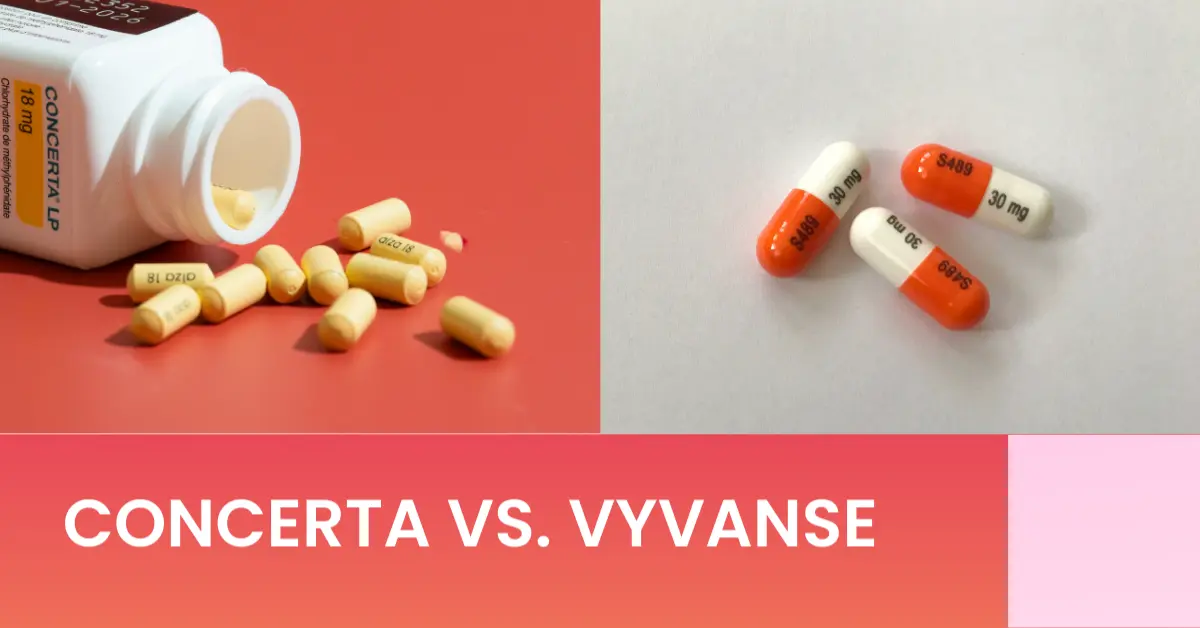
When it comes to treating Attention-Deficit/Hyperactivity Disorder (ADHD), stimulant medications are often the first line of treatment. Two of the most commonly prescribed options are Concerta and Vyvanse. While both work to improve focus, attention, and impulse control, they differ in their active ingredients, how long they last, and how individuals respond to them. Understanding the key differences between Concerta vs Vyvanse can help patients, parents, and caregivers make informed decisions in partnership with health care providers. In this guide, we’ll explore how each medication works, their side effects, effectiveness, cost, and which one may be the better choice depending on individual needs.
What is Concerta?
You May Also Like It:
Tesamorelin: Benefits, Uses & Side Effects Guide
Prednisona: usos, efectos y cómo tomarla

Concerta is a prescription medication used to treat Attention-Deficit/Hyperactivity Disorder (ADHD) in children, teens, and adults. It contains methylphenidate hydrochloride, a central nervous system stimulant that helps improve attention, reduce impulsivity, and manage hyperactivity.
Unlike short-acting ADHD medications, Concerta is an extended-release tablet, meaning it slowly releases medication throughout the day. This makes it convenient for people who prefer taking just one dose in the morning without needing multiple doses later.
How Concerta Works
- Concerta increases the levels of dopamine and norepinephrine in the brain—two chemicals responsible for focus, attention, and impulse control. By balancing these neurotransmitters, it helps individuals stay more organized, attentive, and calm during daily tasks.
Who Should Take Concerta?
Doctors may prescribe Concerta for:
- Children (ages 6 and up) with ADHD
- Teenagers struggling with focus and impulsivity
- Adults with ADHD who need consistent daytime symptom control
It’s not a cure for ADHD but rather a tool to help manage symptoms effectively.
What is Vyvanse?
Vyvanse is a prescription medication commonly used to treat Attention-Deficit/Hyperactivity Disorder (ADHD) in children, adolescents, and adults. It is also FDA-approved for the treatment of binge eating disorder (BED) in adults. Vyvanse contains lisdexamfetamine dimesylate, a stimulant medication that works differently from some other ADHD drugs.
Unlike Concerta, Vyvanse is a prodrug, which means it becomes active only after the body digests and metabolizes it. This design helps provide a smoother, more consistent effect with a lower risk of sudden “highs and crashes.”
How Vyvanse Works
- Once ingested, lisdexamfetamine is converted into dextroamphetamine, which increases levels of dopamine and norepinephrine in the brain. These neurotransmitters help improve focus, attention span, and impulse control, making it easier for individuals with ADHD to stay on task.
Who Should Take Vyvanse?
Doctors may prescribe Vyvanse for:
- Children (ages 6 and up) with ADHD
- Teenagers and adults who need long-lasting symptom control
- Adults struggling with binge eating disorder (BED)
- Individuals who may benefit from a medication with smoother effects and lower abuse potential compared to some other stimulants
Vyvanse is available in both capsule and chewable tablet forms, giving patients more flexibility in how they take it.
Concerta vs Vyvanse: Quick Comparison Table
| Feature | Concerta | Vyvanse |
|---|---|---|
| Generic Name | Methylphenidate | Lisdexamfetamine (prodrug of dextroamphetamine) |
| Drug Class | Stimulant (methylphenidate-based) | Stimulant (amphetamine-based) |
| FDA Approval | ADHD (ages 6 and up) | ADHD (ages 6 and up), Binge Eating Disorder (adults) |
| Form | Extended-release tablet | Capsule or chewable tablet |
| Onset of Action | ~1 hour | 1–2 hours (slower due to prodrug form) |
| Duration of Effect | 10–12 hours | 12–14 hours |
| Dosing Frequency | Once daily (morning) | Once daily (morning) |
| Abuse Potential | Moderate (less than short-acting stimulants) | Lower (due to prodrug design) |
| Common Side Effects | Insomnia, decreased appetite, headache, stomach pain | Dry mouth, insomnia, irritability, nausea |
| Cost & Availability | Generic available (more affordable) | Brand only (generally higher cost) |
Effectiveness and Duration
Both Concerta and Vyvanse are highly effective medications for managing ADHD symptoms, but they differ slightly in how quickly they work and how long their effects last. These differences often influence which medication a doctor may recommend.
Which Lasts Longer: Concerta or Vyvanse?
- Concerta: Typically lasts about 10 to 12 hours, making it a good option for school or work days that don’t extend too late into the evening.
- Vyvanse: Usually lasts 12 to 14 hours, often providing a longer coverage period compared to Concerta. This makes it particularly useful for people who need symptom control into the evening.
Onset of Action
- Concerta: Begins working in about 1 hour after taking the dose.
- Vyvanse: Takes 1–2 hours to start working because it is a prodrug (it must be digested and metabolized before becoming active).
Overall Effectiveness
- Concerta is often chosen for those who respond better to methylphenidate-based stimulants.
- Vyvanse is sometimes preferred for its smoother, more consistent effect and longer duration, reducing the risk of sudden crashes.
Side Effects of Concerta vs Vyvanse
Both Concerta and Vyvanse are effective for ADHD treatment, but like all stimulant medications, they may cause side effects. Some are mild and temporary, while others require medical attention. Knowing what to expect can help patients and caregivers manage them more effectively.
Common Side Effects of Concerta
- Trouble sleeping (insomnia)
- Headache
- Decreased appetite
- Stomach pain or nausea
- Nervousness or anxiety
- Irritability
Common Side Effects of Vyvanse
- Loss of appetite
- Dry mouth
- Insomnia
- Irritability or mood swings
- Nausea or upset stomach
- Fatigue
Serious Risks and Warnings (Both Medications)
While rare, both Concerta and Vyvanse may cause more serious side effects that need immediate medical attention:
- Heart-related risks: Increased heart rate, high blood pressure, or chest pain
- Mental health changes: New or worsening anxiety, depression, aggression, or suicidal thoughts
- Circulation problems: Numbness or changes in skin color in fingers or toes
- Risk of misuse or dependence: Both are controlled substances and can be habit-forming if not taken as prescribed
Which Medication Works Better?
Choosing between Concerta and Vyvanse often depends on how an individual responds to each medication. While both are effective for treating ADHD, the “better” option can vary from person to person.
Concerta for ADHD
Concerta is often prescribed for:
- Children and teenagers who respond better to methylphenidate-based stimulants
- Students or professionals who need solid daytime coverage (10–12 hours)
- Individuals who prefer a tablet form with a predictable release pattern
Some patients find Concerta effective in improving focus, reducing impulsivity, and managing hyperactivity without lasting too far into the evening.
Vyvanse for ADHD and Binge Eating Disorder
Vyvanse is often chosen for:
- Adults and teens who need longer-lasting coverage (12–14 hours) that extends into the evening
- Patients who may experience fewer “ups and downs” due to its prodrug design, which offers a smoother effect
- Adults with binge eating disorder, since Vyvanse is FDA-approved for this condition in addition to ADHD
Many patients report that Vyvanse provides more consistent symptom relief with less of a “crash” compared to some other stimulants.
Individual Response Matters
- There is no one-size-fits-all answer to whether Concerta or Vyvanse works better. Factors like age, lifestyle, medical history, side effect tolerance, and cost all play a role. Often, doctors may try one medication first and switch if it doesn’t provide the desired results.
Concerta vs Vyvanse: Cost and Availability
You May Also Like It:
Gabapentina 300 mg: qué es y para qué sirve
Phenol Peel – Deep Skin Treatment That Works

Cost can be an important factor when deciding between Concerta and Vyvanse, especially for long-term ADHD management. Prices vary depending on location, insurance coverage, and whether generic options are available.
Concerta Cost and Availability
- Generic Available: Concerta (methylphenidate extended-release) has generic versions, which are typically much more affordable.
- Brand vs. Generic: The brand-name Concerta is usually more expensive, but many patients save money by switching to the generic equivalent.
- Insurance Coverage: Most insurance plans cover methylphenidate ER, making Concerta a budget-friendly option for many families.
Vyvanse Cost and Availability
- Brand Only: Vyvanse (lisdexamfetamine) is still only available as a brand-name medication, meaning no generic version is currently on the market.
- Higher Cost: Because it lacks a generic alternative, Vyvanse tends to be more expensive than Concerta.
- Insurance Coverage: Many insurance providers do cover Vyvanse, but co-pays can be higher compared to generic alternatives.
Cost Considerations
- For families or individuals paying out of pocket, Concerta is usually the more affordable choice due to generics.
- For patients who find Vyvanse more effective or experience fewer side effects, the higher cost may be worth it.
- Patient assistance programs or manufacturer coupons may help reduce the cost of Vyvanse for eligible patients.
Concerta vs Vyvanse for Adults vs Children
Both Concerta and Vyvanse are approved for use in children (ages 6 and up), teenagers, and adults. However, the way these medications are prescribed and how well they work can differ depending on age.
Concerta for Children and Teens
- Why it’s used: Concerta is often chosen for children and teenagers because it has been widely studied and is available in generic form, making it more affordable for families.
- Benefits: Provides solid school-day coverage (10–12 hours) to help kids stay focused in class and complete homework in the afternoon.
- Considerations: Some children may experience appetite loss, which can affect growth if not monitored closely.
Vyvanse for Children and Teens
- Why it’s used: Vyvanse is also FDA-approved for children and adolescents with ADHD. Doctors may choose it if a child doesn’t respond well to methylphenidate-based medications like Concerta.
- Benefits: Offers smoother, longer coverage (12–14 hours), which can help kids through after-school activities or homework time.
- Considerations: Like Concerta, it may reduce appetite, so growth and nutrition should be monitored.
Concerta for Adults
- Why it’s used: Many adults benefit from Concerta’s reliable daytime coverage, especially those who prefer a tablet form and want a more affordable option.
- Benefits: Helps with focus at work, reducing impulsivity, and staying organized.
- Considerations: May not last long enough for adults who need evening coverage.
Vyvanse for Adults
- Why it’s used: Vyvanse is a popular choice for adults because of its long duration and additional approval for binge eating disorder (BED).
- Benefits: Provides smoother effects that can last into the evening, which is helpful for adults balancing work, family, and personal responsibilities.
- Considerations: More expensive than Concerta since no generic is available.
Key Takeaway
- Children/Teens: Concerta is often chosen for affordability and effectiveness during school hours. Vyvanse may be used if longer coverage or smoother effects are needed.
- Adults: Vyvanse is often preferred for its extended coverage and dual approval for BED, though Concerta remains a strong option, especially for cost-conscious patients.
Concerta vs Vyvanse: Abuse Potential and Safety
Since both Concerta and Vyvanse are stimulant medications, they are classified as Schedule II controlled substances in the United States. This means they have a recognized medical use but also carry a risk of misuse and dependence if not taken as prescribed.
Abuse Potential of Concerta
- Active Ingredient: Methylphenidate can produce euphoric effects if misused, especially when crushed and taken in ways other than prescribed.
- Risk Level: Higher than Vyvanse because it becomes active quickly once swallowed.
- Safety Design: Concerta tablets use an extended-release system, which reduces but does not eliminate the risk of misuse.
Abuse Potential of Vyvanse
- Active Ingredient: Lisdexamfetamine is a prodrug, meaning it is inactive until digested and metabolized in the body.
- Risk Level: Lower compared to Concerta and other stimulants because it cannot be easily misused for a rapid “high.”
- Safety Advantage: This slow activation makes Vyvanse less likely to be abused, though it still carries a risk of dependence if misused.
General Safety Considerations (Both Medications)
- Heart Health: Both can raise blood pressure and heart rate, so patients with heart conditions should be monitored closely.
- Mental Health: In rare cases, stimulants can worsen anxiety, cause mood swings, or trigger aggressive behavior.
- Dependence: Long-term use should be supervised by a doctor to reduce the risk of dependence.
- Safe Use: Always take exactly as prescribed. Do not share medications with others.
Key Takeaway
- Concerta has a moderate risk of misuse due to faster activation of methylphenidate.
- Vyvanse is considered safer in terms of abuse potential because it only works after the body metabolizes it, making misuse more difficult.
FAQs About Concerta vs Vyvanse
Is Concerta stronger than Vyvanse?
Not necessarily. Concerta (methylphenidate) and Vyvanse (lisdexamfetamine) belong to different stimulant families. Some people respond better to methylphenidate-based stimulants like Concerta, while others find amphetamine-based medications like Vyvanse more effective. Strength depends on individual response rather than one being universally stronger.
Which lasts longer: Concerta or Vyvanse?
Vyvanse usually lasts longer, with effects lasting 12–14 hours, compared to Concerta’s 10–12 hours. This makes Vyvanse a better option for people who need evening coverage, while Concerta may be sufficient for school or work days.
Does Vyvanse feel smoother than Concerta?
Yes, many patients report that Vyvanse provides a smoother effect because it’s a prodrug that activates gradually in the body. Concerta works effectively but may feel more “noticeable” when it kicks in and wears off.
Can you switch from Concerta to Vyvanse?
Yes, but only under a doctor’s supervision. Switching may be recommended if one medication causes side effects, doesn’t provide enough coverage, or isn’t effective. Dosages are not equal, so your doctor will adjust the prescription carefully.
Which is safer long term?
Both medications are considered safe for long-term use when taken as prescribed and monitored by a healthcare provider. Vyvanse has a lower risk of misuse due to its prodrug design, but both require regular checkups for heart health, mental well-being, and overall side effects.
Is Concerta cheaper than Vyvanse?
Yes. Concerta has a generic version (methylphenidate ER), making it more affordable. Vyvanse is still only available as a brand-name drug, so it usually costs more unless covered by insurance or patient assistance programs.
Conclusion
Both Concerta and Vyvanse are effective ADHD medications, but they differ in important ways. Concerta is a methylphenidate-based stimulant that provides solid daytime coverage and is available in a more affordable generic form. Vyvanse, on the other hand, is an amphetamine-based stimulant with a longer duration, smoother effects, and an added FDA approval for binge eating disorder. The choice between Concerta vs Vyvanse depends on factors like age, lifestyle needs, side effect tolerance, and cost considerations. Some people respond better to Concerta, while others find Vyvanse more effective and easier to tolerate. Ultimately, there is no “one-size-fits-all” answer. The best way to determine which medication works better is by working closely with a qualified health care provider, who can recommend the right option based on your individual needs and medical history.
You May Also Like It:
Tesamorelin: Benefits, Uses & Side Effects Guide
Prednisona: usos, efectos y cómo tomarla
Gabapentina 300 mg: qué es y para qué sirve
Phenol Peel – Deep Skin Treatment That Works
Testicular Calcium – Causes, Diagnosis and Care
