
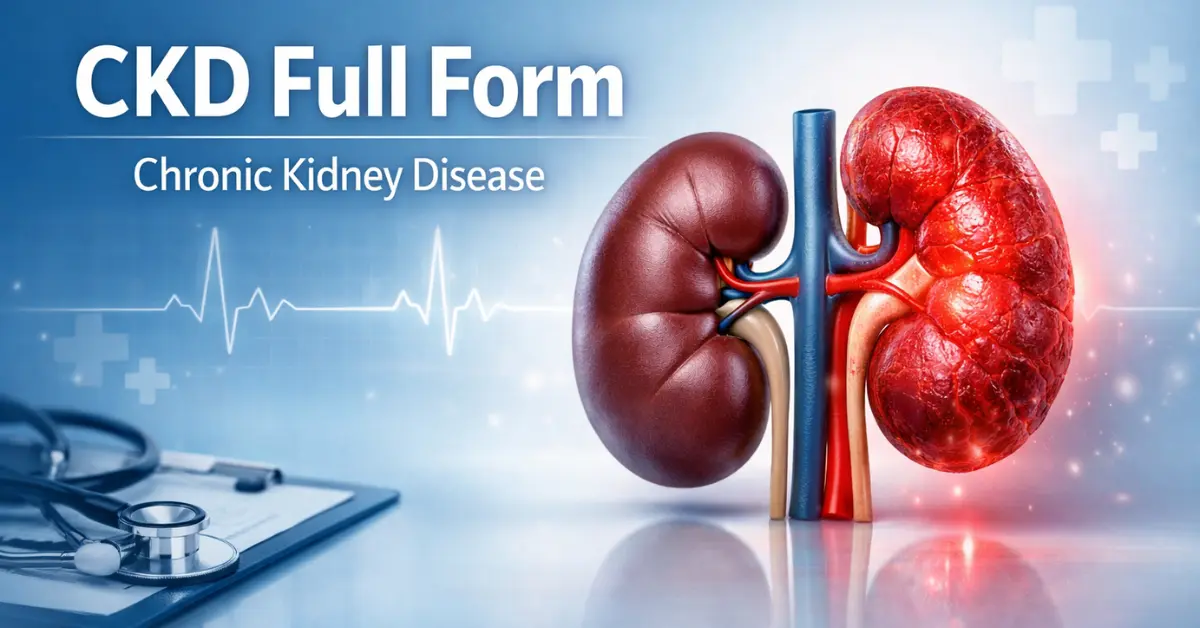
Chronic diseases often develop silently, and Chronic Kidney Disease (CKD) is one of them. Many people do not realize they have kidney damage until it becomes serious. Understanding the CKD full form, its symptoms, and how it progresses can help you detect it early and protect your health.
This guide explains CKD in simple language so anyone can understand it — even without a medical background.
What is the CKD Full Form?
CKD Full Formr Chronic Kidney Disease.
It is a long-term medical condition in which the kidneys gradually lose their ability to filter waste, toxins, and excess fluids from the blood.
Healthy kidneys help:
- Remove waste from the body
- Balance minerals
- Control blood pressure
- Produce red blood cells
- Maintain bone strength
When kidney function declines, dangerous waste can build up inside the body.
Important: CKD usually develops slowly over months or years, which is why early detection is critical.
Why Are Kidneys So Important?
Your kidneys act as the body’s natural filtration system.
Every day they filter about 50 gallons of blood, removing toxins through urine.
Without proper kidney function, the body may experience:
- Fluid retention
- High blood pressure
- Weak bones
- Heart complications
- Severe fatigue
In advanced cases, kidney failure can become life-threatening.
Early Warning Signs People Often Ignore
One major reason CKD becomes dangerous is that early symptoms are subtle.
Watch for these warning signs:
- Constant tiredness
- Changes in urination frequency
- Foamy urine
- Swelling in ankles or feet
- Dry or itchy skin
- Muscle cramps
- Trouble concentrating
Many people mistake these symptoms for normal aging.
Never ignore persistent changes in your body.
Common Symptoms of Chronic Kidney Disease
As CKD progresses, symptoms become more noticeable.
Early Stage Symptoms
- Mild fatigue
- Slight swelling
- Loss of appetite
Advanced Stage Symptoms
- Nausea and vomiting
- Shortness of breath
- Persistent itching
- Sleep problems
- High blood pressure
- Mental confusion
Severe kidney damage may eventually require dialysis or a transplant.
What Causes Chronic Kidney Disease?
CKD is typically caused by conditions that strain the kidneys over time.
Leading Causes:
- Diabetes – High blood sugar damages kidney filters.
- High blood pressure – Weakens kidney blood vessels.
- Heart disease
- Obesity
- Chronic infections
Other Possible Causes:
- Autoimmune diseases (like lupus)
- Genetic disorders such as polycystic kidney disease
- Long-term use of certain medications
- Kidney stones
- Urinary tract blockages
In many cases, CKD results from multiple health problems rather than a single cause.
Who is Most at Risk?

You may have a higher risk if you:
- Are over age 60
- Have diabetes or hypertension
- Smoke
- Are overweight
- Have a family history of kidney disease
Pro Tip: People with diabetes should get kidney tests regularly.
Early testing can prevent severe damage.
Stages of Chronic Kidney Disease
Doctors classify CKD into five stages based on a test called eGFR (Estimated Glomerular Filtration Rate).
| Stage | eGFR | Kidney Function |
|---|---|---|
| Stage 1 | 90+ | Normal but with damage |
| Stage 2 | 60–89 | Mild loss |
| Stage 3 | 30–59 | Moderate damage |
| Stage 4 | 15–29 | Severe damage |
| Stage 5 | Below 15 | Kidney failure |
Lower eGFR indicates weaker kidney function.
How Fast Does CKD Progress?
CKD progression depends on:
- Blood pressure control
- Blood sugar levels
- Lifestyle habits
- Diet
- Genetics
Some people live decades with mild CKD, while others experience faster decline.
Early treatment dramatically slows progression.
Is Chronic Kidney Disease Curable?
This is one of the most searched questions online.
CKD is usually not reversible.
However:
- Early-stage kidney damage can often be controlled
- Progression can be slowed significantly
- Many patients live long, healthy lives
The key is early diagnosis.
How is CKD Diagnosed?
Doctors use simple tests:
Blood Test (eGFR)
Measures how well your kidneys filter waste.
Urine Test
Checks for protein leakage — a major sign of kidney damage.
Imaging Tests
Ultrasound or CT scans help identify structural issues.
Regular screening is recommended for high-risk individuals.
Possible Complications of CKD
Untreated kidney disease can affect nearly every organ.
Major complications include:
- Heart disease
- Anemia
- Weak bones
- Fluid buildup in lungs
- High potassium levels
- Nerve damage
This is why CKD should never be ignored.
Treatment Options for CKD
Although there is no complete cure, treatment focuses on protecting remaining kidney function.
Lifestyle Changes
- Exercise regularly
- Quit smoking
- Maintain a healthy weight
- Reduce salt intake
Medications
Doctors may prescribe medicines to:
- Control blood pressure
- Manage cholesterol
- Balance minerals
- Reduce swelling
Advanced Treatments
If kidneys fail:
- Dialysis removes toxins artificially.
- Kidney transplant replaces the damaged organ.
Best Diet for Chronic Kidney Disease
Diet plays a powerful role in slowing kidney damage.
Recommended Foods:
- Fresh fruits
- Vegetables
- Whole grains
- Lean proteins
Limit These:
- Excess salt
- Processed foods
- Sugary drinks
- High-potassium foods (if advised)
Always consult a dietitian for a personalized plan.
Can You Prevent CKD?
Yes — many cases are preventable.
Follow these habits:
- Stay hydrated
- Control blood sugar
- Monitor blood pressure
- Avoid unnecessary painkillers
- Exercise consistently
Prevention is far easier than treatment.
When Should You See a Doctor?
Seek medical advice if you notice:
- Persistent swelling
- Changes in urination
- Extreme fatigue
- Ongoing nausea
Early care can save your kidneys.
Life Expectancy with CKD
Life expectancy depends on:
- Stage of disease
- Age
- Overall health
- Treatment adherence
Many patients with early CKD live normal lifespans.
Even stage 3 patients often maintain good quality of life with proper care.
Final Thoughts
Understanding the CKD full form — Chronic Kidney Disease — is more than just learning a medical abbreviation. It is about recognizing a serious condition early enough to prevent complications.
Kidney disease may progress silently, but awareness gives you the power to act.
- Get tested if you are at risk.
- Adopt healthy habits.
- Never ignore warning signs.
Your kidneys work nonstop for you — protecting them should be a priority.
