
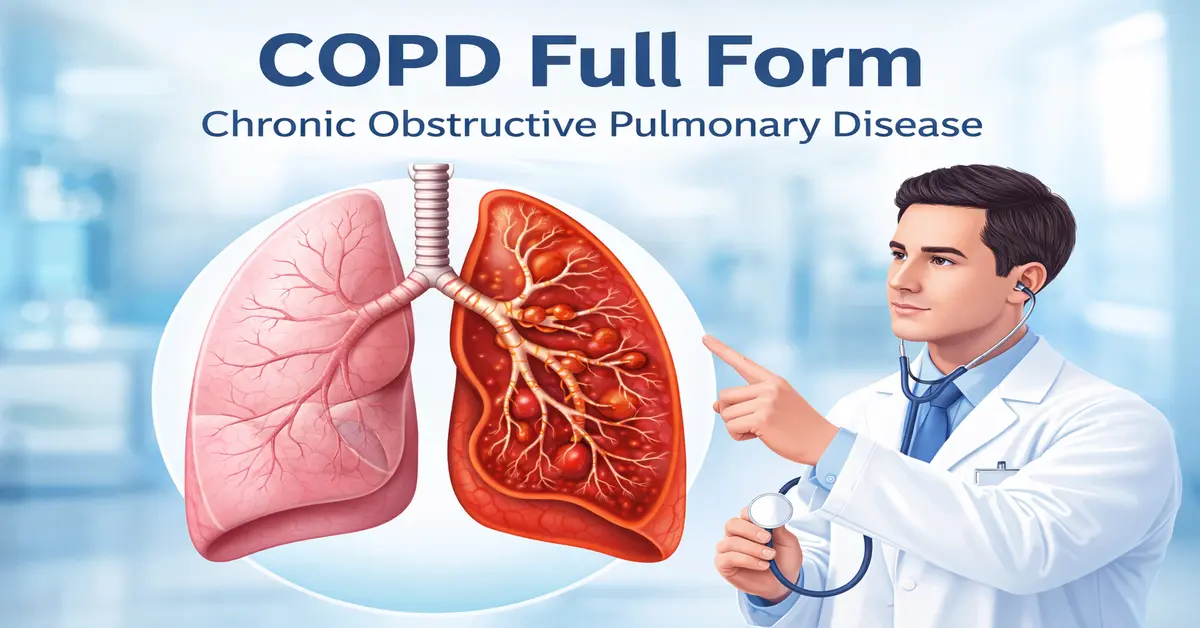
Chronic Obstructive Pulmonary Disease (COPD) is a term used for a group of lung conditions that cause long-term breathing problems. It primarily includes two diseases: Emphysema and Chronic Bronchitis. While the term COPD is commonly known, many are unaware of the full extent of the disease, its impact on quality of life, and how it can be managed effectively. This article aims to provide an in-depth exploration of COPD, its full form, symptoms, causes, treatment, and living with COPD.
What is COPD? Understanding the Full Form
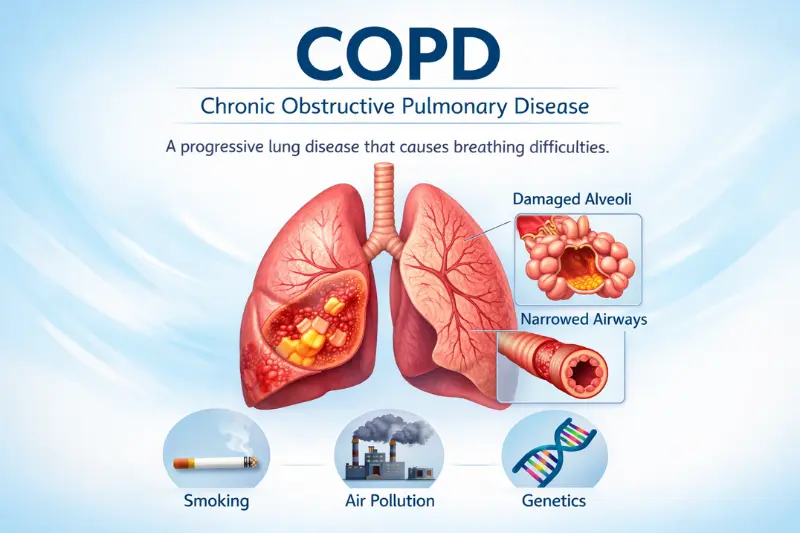
COPD Full Form Chronic Obstructive Pulmonary Disease.
It refers to a group of progressive lung diseases that block airflow and make breathing difficult. The two main components of COPD are:
- Emphysema: This involves damage to the alveoli (air sacs) in the lungs, which are responsible for exchanging oxygen and carbon dioxide. The damage to these tiny air sacs makes it hard for the lungs to take in oxygen and release carbon dioxide effectively.
- Chronic Bronchitis: This condition involves inflammation of the bronchial tubes, leading to the production of excessive mucus, persistent coughing, and difficulty breathing.
While COPD primarily affects the lungs, it can also lead to systemic complications, including heart disease, muscle wasting, and osteoporosis.
Symptoms of COPD
COPD is often called a “silent” disease because symptoms may not show up until the disease is already quite advanced. Early detection is crucial for managing the disease effectively. Common symptoms of COPD include:
- Chronic Cough: A long-lasting cough with mucus that may worsen over time.
- Shortness of Breath (Dyspnea): Difficulty breathing, especially when engaging in physical activities.
- Wheezing: A high-pitched whistling sound when exhaling.
- Fatigue: Feeling excessively tired or weak due to decreased oxygen intake.
- Frequent Respiratory Infections: Individuals with COPD are more prone to infections like pneumonia and the flu.
- Chest Tightness: A sensation of pressure in the chest, which may worsen with physical activity.
Symptoms may vary in severity and can worsen with exacerbations or flare-ups, which are episodes where symptoms become much more severe.
What Causes COPD?
The primary cause of COPD is smoking, accounting for the majority of cases worldwide. However, non-smokers can also develop COPD due to other risk factors:
- Smoking: The leading cause of COPD, as it damages the lungs and airways over time.
- Secondhand Smoke: Exposure to tobacco smoke from others can contribute to lung damage.
- Occupational Exposures: Long-term exposure to dust, chemicals, or fumes in certain jobs, like construction or factory work, can increase the risk.
- Genetic Factors: Alpha-1 Antitrypsin Deficiency is a rare genetic disorder that can cause COPD at an earlier age.
- Air Pollution: Prolonged exposure to pollutants in the environment, including outdoor air pollution and indoor smoke from cooking and heating, can trigger lung damage.
Other factors include frequent respiratory infections in childhood, exposure to toxic chemicals, and a family history of lung disease.
Diagnosis of COPD
Diagnosing COPD early can make a significant difference in managing the disease. The diagnosis is based on the following:
- Medical History: Your health care provider will ask about symptoms, smoking history, and exposure to lung irritants.
- Spirometry: The most common test used to diagnose COPD. This test measures how much air you can exhale and how quickly. It helps assess the severity of the disease.
- Chest X-ray or CT Scan: Imaging tests can identify damage to the lungs and help rule out other conditions.
- Blood Tests: To assess oxygen and carbon dioxide levels in the blood.
- Arterial Blood Gas Test: This test measures the amount of oxygen and carbon dioxide in the blood to gauge lung function.
Stages of COPD
COPD is classified into four stages based on the severity of airflow obstruction and the impact on daily activities:
- Stage 1 (Mild COPD): FEV1 (forced expiratory volume in one second) is 80% or more of normal.
- Stage 2 (Moderate COPD): FEV1 is between 50-79% of normal.
- Stage 3 (Severe COPD): FEV1 is between 30-49% of normal.
- Stage 4 (Very Severe COPD): FEV1 is less than 30% of normal.
The stage of COPD helps healthcare providers decide on the most effective treatment options.
Treatment and Management of COPD
There is no cure for COPD, but treatment can help reduce symptoms, prevent flare-ups, and improve quality of life. The treatment approach includes:
Lifestyle Changes
- Quit Smoking: This is the most important step. Quitting smoking can slow down the progression of COPD and prevent further lung damage.
- Avoid Lung Irritants: Stay away from secondhand smoke, pollution, and harmful chemicals.
- Stay Active: Regular exercise strengthens the lungs and improves overall health.
Medications
- Bronchodilators: These medications relax the muscles around the airways, making it easier to breathe.
- Inhaled Steroids: To reduce inflammation in the lungs and prevent flare-ups.
- Antibiotics: Prescribed to treat or prevent respiratory infections.
- Oxygen Therapy: For individuals with severe COPD, supplemental oxygen may be necessary to ensure adequate oxygen levels in the blood.
Pulmonary Rehabilitation
Pulmonary rehabilitation involves a combination of exercise training, nutrition advice, and breathing techniques. It can help improve symptoms and enhance quality of life.
Surgery
In advanced stages of COPD, surgical options may be considered:
- Lung Volume Reduction Surgery (LVRS): Removes damaged portions of the lung to improve breathing.
- Lung Transplant: In very severe cases, a lung transplant may be an option for eligible candidates.
Preventing COPD and Managing Exacerbations
Although COPD cannot be fully prevented, you can significantly reduce your risk by:
- Quitting Smoking: The single most effective way to reduce the risk of COPD.
- Avoiding Exposure to Pollutants: Minimize exposure to secondhand smoke, chemicals, and air pollution.
- Getting Vaccinated: Regular vaccines for the flu, pneumonia, and COVID-19 help prevent infections that can worsen COPD symptoms.
Managing flare-ups (sudden worsening of symptoms) is also essential. Recognize the early signs of a flare-up, which may include increased shortness of breath, coughing, and mucus production. Early intervention with medications and possibly antibiotics can help manage flare-ups effectively.
Living with COPD
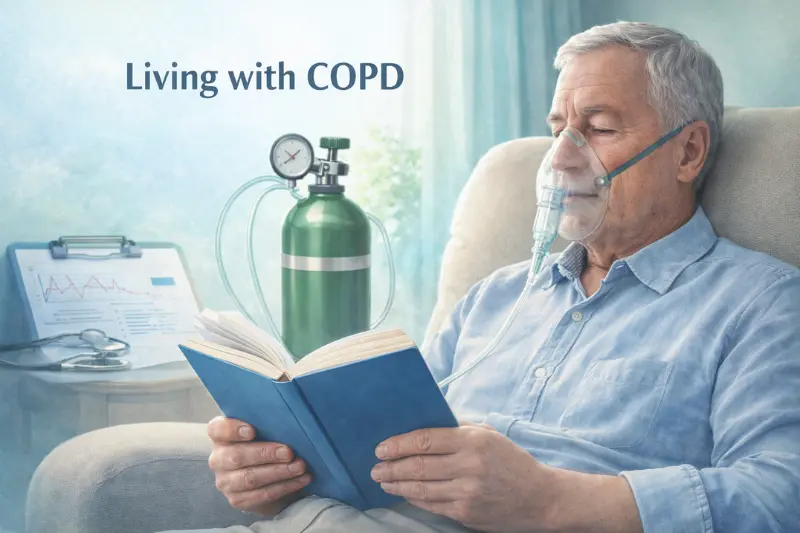
Living with COPD can be challenging, but with proper treatment and lifestyle adjustments, you can manage the disease and improve your quality of life. Here are some tips:
- Stay Active: Regular physical activity helps maintain lung function and strength.
- Manage Stress and Mental Health: COPD can take a toll on your mental well-being. Seek support when needed.
- Eat a Healthy Diet: Proper nutrition supports overall health and energy levels.
- Take Your Medications: Follow your doctor’s instructions for taking medications to control symptoms and prevent flare-ups.
Conclusion
Chronic Obstructive Pulmonary Disease (COPD) is a serious lung condition that affects millions of people worldwide. While there is no cure, proper treatment, lifestyle changes, and medical interventions can significantly improve symptoms and help individuals with COPD lead a fulfilling life. Early diagnosis, quitting smoking, and avoiding lung irritants are essential in managing the disease and preventing its progression.
COPD may be a long-term challenge, but with the right care, support, and proactive management, you can take control of your health and continue living life to the fullest.
