
High Blood Pressure, also known as HTN (Hypertension), is one of the most common health conditions affecting millions of people worldwide. But what does HTN full form really mean, and why is it so important? In this article, we’ll break down everything you need to know about hypertension in simple, easy-to-understand terms.
What Is HTN (Hypertension)?
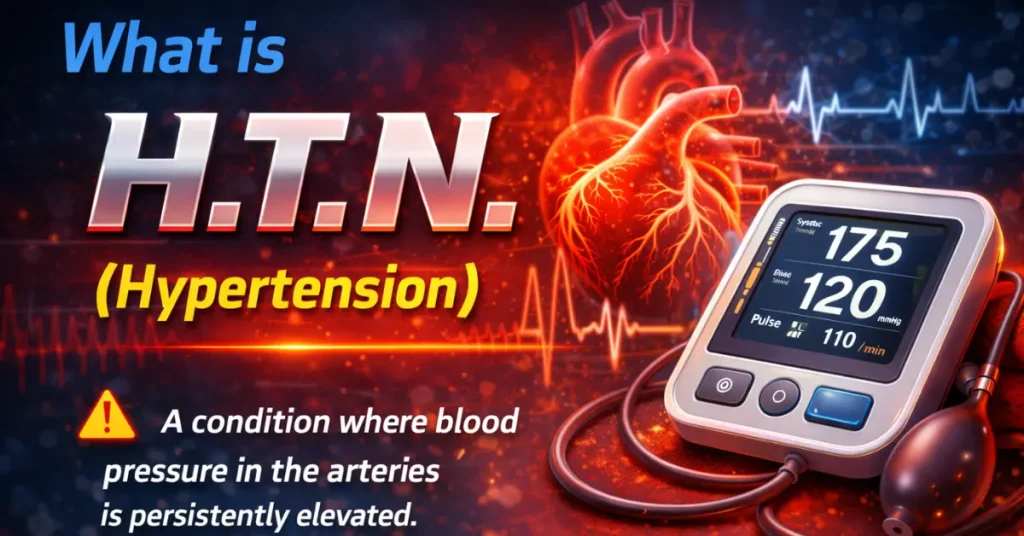
Hypertension, or HTN, refers to consistently high blood pressure, a condition where the force of the blood against your artery walls is too strong. Over time, this can cause serious health problems like heart disease, stroke, and kidney failure. The HTN full form is essentially shorthand for high blood pressure, a term used to describe a chronic condition that can go unnoticed for years without symptoms.
Understanding Blood Pressure Readings
Blood pressure readings are made up of two numbers: systolic and diastolic.
- Systolic (top number): This measures the pressure when your heart beats.
- Diastolic (bottom number): This measures the pressure when your heart is resting between beats.
A normal blood pressure is usually around 120/80 mmHg. Hypertension is diagnosed when the readings consistently exceed 130/80 mmHg.
What Causes HTN?
Hypertension can have several underlying causes, some of which are modifiable and some not.
Primary (Essential) Hypertension
This is the most common form, where no specific cause is identified. It often develops gradually over time due to genetic and lifestyle factors, such as:
- Age: Older adults are more likely to develop high blood pressure.
- Genetics: Family history plays a significant role.
- Unhealthy Lifestyle: High salt intake, lack of exercise, and excessive alcohol consumption can contribute.
Secondary Hypertension
In some cases, hypertension is linked to an underlying medical condition or medication. Some causes include:
- Kidney Disease
- Obstructive Sleep Apnea
- Thyroid Problems
- Certain Medications, including birth control pills and decongestants.
Symptoms of HTN
One of the challenges of hypertension is that it often has no symptoms until it reaches dangerous levels. That’s why it’s called the “silent killer.” However, in cases of severely high blood pressure, you may experience:
- Severe headaches
- Shortness of breath
- Chest pain
- Dizziness or lightheadedness
- Vision changes
- Nosebleeds
- Fatigue
If you experience any of these symptoms and your blood pressure is over 180/120 mmHg, it’s essential to seek immediate medical attention.
How Is HTN Diagnosed?
The diagnosis of HTN is straightforward. Your health care provider will measure your blood pressure using a cuff. To confirm the diagnosis, blood pressure must be measured on at least two separate occasions.
Stages of Hypertension
Blood pressure is categorized into different stages:
- Normal: Less than 120/80 mmHg
- Elevated: 120-129 systolic and less than 80 diastolic
- Stage 1: 130-139 systolic or 80-89 diastolic
- Stage 2: 140 or higher systolic or 90 or higher diastolic
- Hypertensive Crisis: 180/120 mmHg or higher, requiring immediate medical care
HTN Treatment Options

Managing high blood pressure is crucial to prevent complications. Treatment usually involves both medications and lifestyle changes.
Medications:
Common medications for hypertension include:
- Diuretics: Help reduce fluid in the body.
- Beta-Blockers: Lower heart rate and blood pressure.
- ACE Inhibitors: Relax blood vessels to lower blood pressure.
- Calcium Channel Blockers: Relax the blood vessels to reduce pressure.
Lifestyle Changes:
Even if you’re on medication, lifestyle changes are essential for managing HTN:
- Healthy Diet: Reduce sodium, eat more fruits, vegetables, and whole grains (e.g., the DASH diet).
- Exercise: Aim for 30 minutes of moderate activity most days.
- Quit Smoking: Smoking increases blood pressure and heart disease risk.
- Limit Alcohol: Drink in moderation.
- Manage Stress: Practice relaxation techniques like deep breathing, yoga, or meditation.
Prevention: How to Avoid HTN
While genetics play a role in hypertension, lifestyle factors are equally important. Here’s how you can help prevent HTN:
- Monitor Your Blood Pressure regularly.
- Eat a Balanced Diet low in sodium and high in nutrients.
- Stay Physically Active to improve heart health.
- Limit Alcohol Consumption and avoid smoking.
- Manage Stress effectively.
Conclusion
Hypertension, or HTN, is a serious but manageable condition. Understanding its full form, the causes, symptoms, stages, and treatments is essential for anyone at risk. By staying informed and making healthy lifestyle choices, you can prevent or manage high blood pressure and reduce your risk of heart disease, stroke, and other complications.
