
The acronym “DM” is widely used in various fields, from government administration to social media and medicine. However, its meaning can change depending on the context. In this article, we’ll explore the full form of DM in three distinct areas: government, social media, and medicine. We’ll provide insights into each one, highlighting key details, roles, and functions that you won’t find in other articles.
DM Full Form in Government

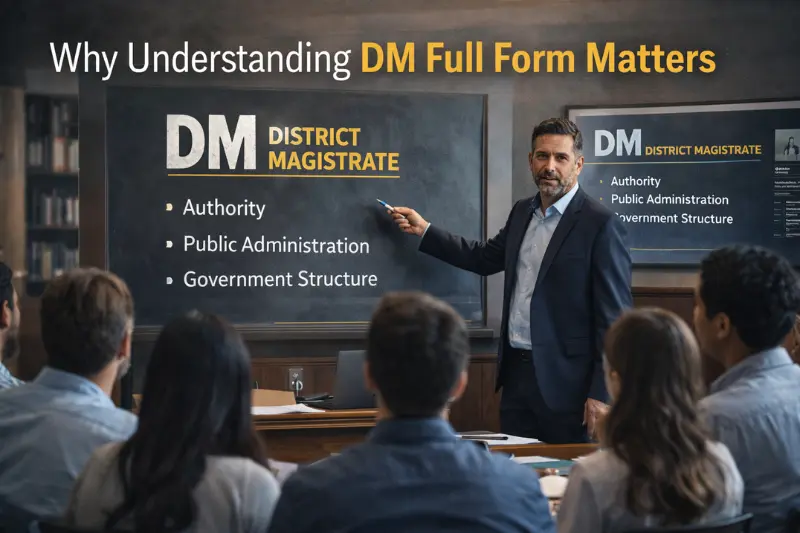
In government, DM stands for District Magistrate, the highest administrative authority in a district.
The DM is responsible for maintaining law and order, implementing government policies, and managing public services. They play a crucial role in disaster management, law enforcement, and overseeing welfare programs. To become a DM, one must clear the UPSC Civil Services Examination and typically serve in various administrative roles before appointment. The position is vital for effective governance at the district level.
DM in Government: District Magistrate (DM)
What is a District Magistrate (DM)?
In India, the District Magistrate (DM) is the highest civil authority in a district. The DM plays a crucial role in maintaining law and order, implementing government policies, and overseeing the district’s administrative functions. It is a position that comes with immense responsibility, especially during emergencies such as natural disasters or civil unrest.
Role and Responsibilities
- Maintaining Law and Order: The DM is responsible for ensuring peace in the district. This includes handling law enforcement, managing crises, and ensuring the safety of citizens.
- Disaster Management: The District Magistrate is in charge of coordinating relief operations during disasters like floods, earthquakes, or riots.
- Public Services: Overseeing government schemes related to education, health care, and welfare programs for the people in the district.
- Judicial Functions: The DM also holds certain judicial powers, such as issuing orders in cases of public disturbances.
Becoming a District Magistrate
To become a District Magistrate, one must clear the UPSC Civil Services Examination. This is a competitive exam that requires years of preparation. Aspirants must have a deep understanding of administrative processes, law, and governance.
Why is the DM Position Important?
The DM’s role is integral to the functioning of India’s democratic system. They are pivotal in implementing policies at the grassroots level and ensuring that government orders reach the public effectively.
DM in Social Media: Direct Message (DM)
What is Direct Message (DM)?
In the digital world, DM stands for Direct Message. A Direct Message is a private form of communication between users on platforms such as Instagram, Twitter, Facebook, and WhatsApp. Unlike public posts or comments, DMs allow users to converse privately, offering a more personal and intimate space for interaction.
Why is Direct Messaging Important?
- Personalized Communication: Direct messages enable businesses and individuals to send tailored content, promotional offers, or responses, creating a sense of intimacy with their audience.
- Customer Service: Many brands use DMs for customer support, providing real-time assistance to customers, making interactions more efficient and less formal than traditional email.
- Networking Opportunities: Influencers and brands often use DMs to connect with potential partners, clients, or collaborators.
Best Practices for Using DMs on Social Media
- Respond Promptly: The expectation for DMs is quick responses, so ensure your team or chatbot is set up for rapid replies.
- Avoid Spamming: Do not send unsolicited promotional content via DMs. Only message people who have opted in to receive messages.
- Make It Personal: Personalize your responses. Address the person by their name and be mindful of their concerns.
- Use Bots for Efficiency: Many businesses use chatbots to handle routine inquiries, allowing them to focus on more complex questions.
Managing DMs at Scale
Handling a large volume of DMs, especially for businesses, can be overwhelming. A DM management tool like Sprout Social’s Smart Inbox helps centralize messages across multiple platforms, streamlining the process and ensuring quicker response times.
DM in Medicine: Doctor of Medicine (DM)
What is Doctor of Medicine (DM)?
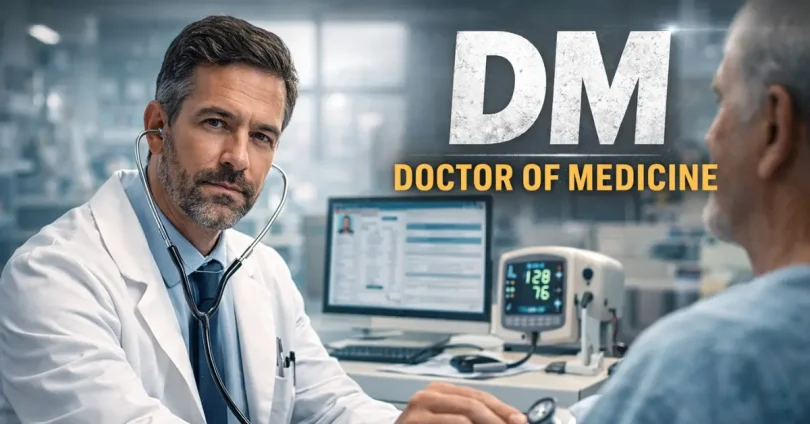
In the medical field, DM stands for Doctor of Medicine. It is an advanced postgraduate degree awarded to doctors who wish to specialize in a particular field of medicine. DM is typically pursued after completing a Master of Surgery (MS) or Doctor of Medicine (MD) degree.
Importance of DM in Medicine
- Super-Specialization: The DM degree allows medical professionals to gain deep knowledge and expertise in specialized fields like cardiology, neurology, gastroenterology, and more.
- Research & Development: Doctors pursuing DM are often involved in cutting-edge research in their specialized field, contributing to the advancement of medical science.
- Leadership Roles: DM holders typically take on leadership roles in hospitals and medical institutions, guiding medical teams and developing treatment protocols.
Eligibility for DM
To qualify for a Doctor of Medicine (DM) degree, candidates must:
- Have completed an MD or MS degree.
- Have a strong academic record and practical experience in the medical field.
- Pass entrance exams and interviews depending on the institution.
Difference Between MD and DM
While both MD and DM are prestigious degrees, there is a key difference:
- MD: Focuses on clinical knowledge and practice.
- DM: Focuses on research and super-specialization in a specific medical field.
Why Understanding DM Full Form Matters
For Students and Aspirants
Knowing the full form of DM is essential for those pursuing careers in government administration, social media, or medicine. For civil service aspirants, understanding the role of a District Magistrate is critical for preparation. For those interested in medicine, knowing about the Doctor of Medicine degree is crucial for choosing the right specialization. Lastly, understanding Direct Messages is key for anyone involved in digital marketing or social media management.
DM Across Different Contexts
- In Government: The District Magistrate plays a pivotal role in law enforcement and crisis management at the district level.
- In Social Media: Direct Messages offer a private, secure communication channel that businesses and individuals can use to enhance engagement.
- In Medicine: The DM degree offers advanced knowledge and expertise, enabling doctors to lead in their specialized fields.
Frequently Asked Questions (FAQs)
What is the role of a District Magistrate?
A District Magistrate is responsible for overseeing law and order, managing disasters, and implementing government policies at the district level.
How is Direct Messaging used in marketing?
Businesses use DMs to engage customers, offer support, and send personalized content.
What is the difference between MD and DM in medicine?
MD is a general medical degree, while DM is a specialized, research-based qualification.
Conclusion
The DM full form varies depending on the context—whether it’s the District Magistrate in government, Direct Message in digital communication, or Doctor of Medicine in healthcare. Understanding these roles is essential for academic, professional, and personal growth. Whether you’re aiming to become a District Magistrate, use DMs effectively for business communication, or pursue a Doctor of Medicine degree, knowing the full form of DM can guide your choices and help you make informed decisions.