
CHD Full Form Congenital Heart Disease.
Is a medical condition that refers to defects in the heart’s structure that are present from birth. These defects can interfere with normal blood flow within the heart, affecting both children and adults. In this article, we’ll explain the full form of CHD, its causes, symptoms, treatment options, and how to live with it.
What is CHD (Congenital Heart Disease)?
Congenital Heart Disease (CHD) refers to a wide range of heart defects that occur when a baby’s heart does not develop properly during pregnancy. It can affect the heart’s walls, valves, arteries, or blood flow. The severity of CHD can vary from mild conditions that require minimal treatment to life-threatening conditions that need immediate medical attention.
How Common is CHD?
CHD is one of the most common types of congenital conditions, affecting around 1 in every 100 births. Thanks to advances in medical technology and treatment, most children born with CHD can lead healthy lives, but early diagnosis and intervention are key.
Causes of Congenital Heart Disease (CHD)
While the exact cause of CHD is not fully understood, several factors can contribute to its development, including:
- Genetics: Some children inherit heart defects from their parents due to genetic mutations or syndromes.
- Environmental Factors: Exposure to harmful substances such as tobacco, alcohol, or certain medications during pregnancy can increase the risk of CHD.
- Maternal Health: Conditions like diabetes or infections (e.g., rubella) during pregnancy may contribute to CHD development.
- Family History: A family history of heart defects can increase the chances of a baby being born with CHD.
Types of CHD (Congenital Heart Disease)
There are two main categories of CHD:
Cyanotic CHD (Low Oxygen Levels)
These conditions reduce the oxygen level in the blood. Symptoms of cyanotic CHD may include bluish skin (cyanosis) due to low oxygen levels in the body. Common types of cyanotic CHD include:
- Tetralogy of Fallot
- Hypoplastic Left Heart Syndrome
- Transposition of the Great Arteries
Acyanotic CHD (Normal Oxygen Levels)
Acyanotic CHD refers to conditions that involve abnormal blood flow, but typically do not cause low oxygen levels. Examples of acyanotic CHD include:
- Ventricular Septal Defect (VSD): A hole in the heart’s walls.
- Aortic Stenosis: Narrowing of the aorta, affecting blood flow.
- Patent Ductus Arteriosus (PDA): A blood vessel that fails to close after birth.
Signs and Symptoms of CHD
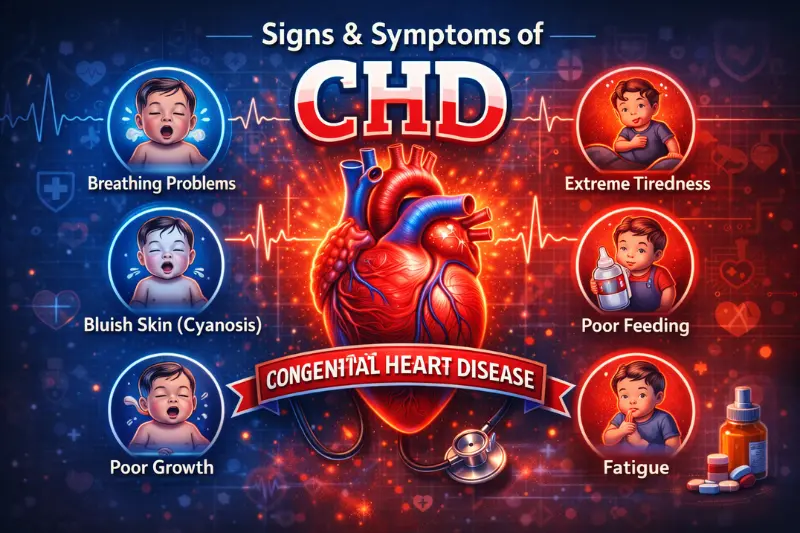
The symptoms of CHD can vary widely depending on the type and severity of the defect. Some children may experience symptoms shortly after birth, while others might not show any signs until later in life. Common symptoms of CHD include:
- Cyanosis (Bluish Tint to the Skin)
- Fast or Difficulty Breathing
- Fatigue or Excessive Sleepiness
- Poor Feeding or Slow Growth
- Heart Murmur (Unusual Sound from the Heart)
- Swelling in the Legs, Abdomen, or Eyes
Diagnosing CHD
Early detection is crucial in managing CHD. Some heart defects are detected during prenatal ultrasounds, while others may be diagnosed after birth. The following tests are commonly used to diagnose CHD:
- Physical Exam: Doctors will listen for abnormal heart sounds or murmurs.
- Echocardiogram: An ultrasound of the heart to visualize its structure.
- Electrocardiogram (ECG): A test to measure the electrical activity of the heart.
- Chest X-ray: Used to check for heart enlargement or other abnormalities.
- Pulse Oximetry: A simple test to measure oxygen levels in the blood.
Treatment Options for CHD
The treatment for CHD depends on the type and severity of the defect. Some mild cases may not need treatment, while more severe cases require medical intervention. Treatment options include:
- Medications: To manage heart function or blood pressure.
- Surgical Repair: Surgery may be needed to correct or repair the heart’s structure. Common surgeries include open-heart surgery, valve repair, or catheterization.
- Catheter Procedures: Non-surgical treatments like balloon angioplasty or stent placement may be used to treat narrowed arteries.
- Heart Transplant: In extreme cases, when other treatments are not effective, a heart transplant may be needed.
Living with CHD
People with CHD can lead fulfilling lives, though they may need lifelong monitoring and care. Here are some tips for managing life with CHD:
- Follow-up Appointments: Regular check-ups with a cardiologist to monitor heart function.
- Healthy Lifestyle: Maintaining a heart-healthy diet and exercise routine (as advised by your doctor).
- Medications: Adhere to prescribed medications and treatments to manage symptoms.
- Know Your Limits: Be mindful of physical activities and seek medical advice for safe exercise options.
Prevention and Risk Reduction
While congenital heart disease cannot always be prevented, there are steps you can take to reduce the risk during pregnancy:
- Avoid Harmful Substances: Don’t smoke, drink alcohol, or take harmful medications during pregnancy.
- Prenatal Care: Regular prenatal check-ups can help detect issues early.
- Manage Health Conditions: Properly manage diabetes, high blood pressure, or other conditions that can affect heart health during pregnancy.
Outlook for CHD Patients
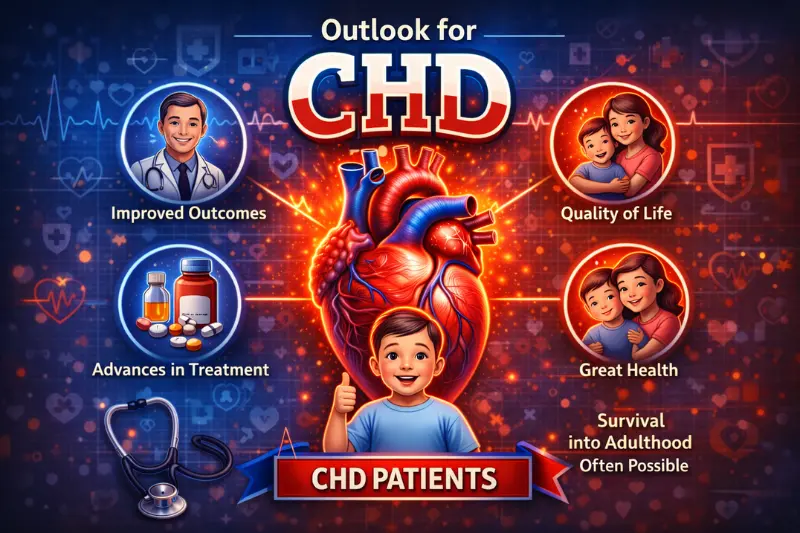
The prognosis for individuals with CHD depends on the severity of the condition and the effectiveness of treatment. With the right care, many people with CHD lead long, healthy lives. Advances in medical technology, early diagnosis, and treatment have significantly improved outcomes for CHD patients.
Conclusion
Congenital Heart Disease (CHD) is a condition that affects the heart’s structure and function from birth. While CHD can vary in severity, with proper medical care and treatment, individuals with CHD can live fulfilling lives. Early detection, treatment, and ongoing care are essential to managing the condition effectively.
If you or your loved one has been diagnosed with CHD, consult with a cardiologist to create a treatment plan tailored to your specific needs.